thermal management
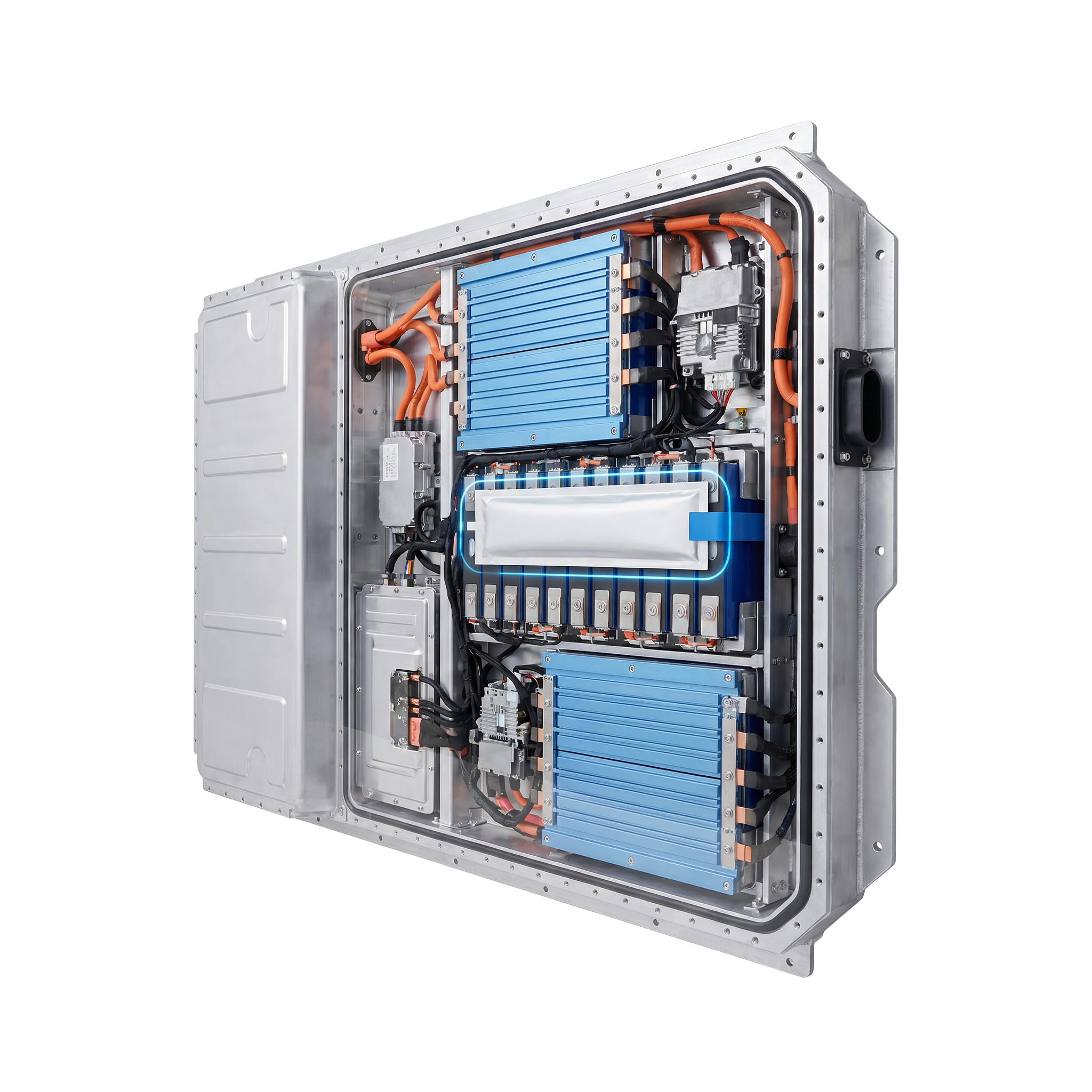
Thermal management refers to the systematic control and regulation of heat within electronic devices, industrial equipment, and various systems to maintain optimal operating temperatures. This critical technology encompasses a range of solutions including heat sinks, thermal interface materials, cooling fans, liquid cooling systems, and advanced phase-change materials. The main function of thermal management is to dissipate excess heat generated during operation, preventing component failure, performance degradation, and safety hazards. Effective thermal management ensures that sensitive electronics and machinery operate within safe temperature ranges, extending product lifespan and maintaining consistent performance. The technological features of modern thermal management systems include precision temperature monitoring, adaptive cooling mechanisms, energy-efficient heat dissipation, and compact design integration. These systems utilize conductive, convective, and radiative heat transfer principles to move thermal energy away from critical components. Applications span across multiple industries including consumer electronics, automotive systems, data centers, aerospace engineering, medical devices, renewable energy systems, and telecommunications infrastructure. In smartphones and laptops, thermal management prevents overheating during intensive tasks. In electric vehicles, it maintains battery pack temperatures for optimal performance and safety. Data centers rely heavily on sophisticated thermal management to protect servers and reduce energy consumption. As electronic devices become more powerful and compact, the importance of advanced thermal management solutions continues to grow, making it an essential consideration in modern product design and engineering.






 EN
EN