Battery Thermal Management Solutions

All Categories

battery thermal management

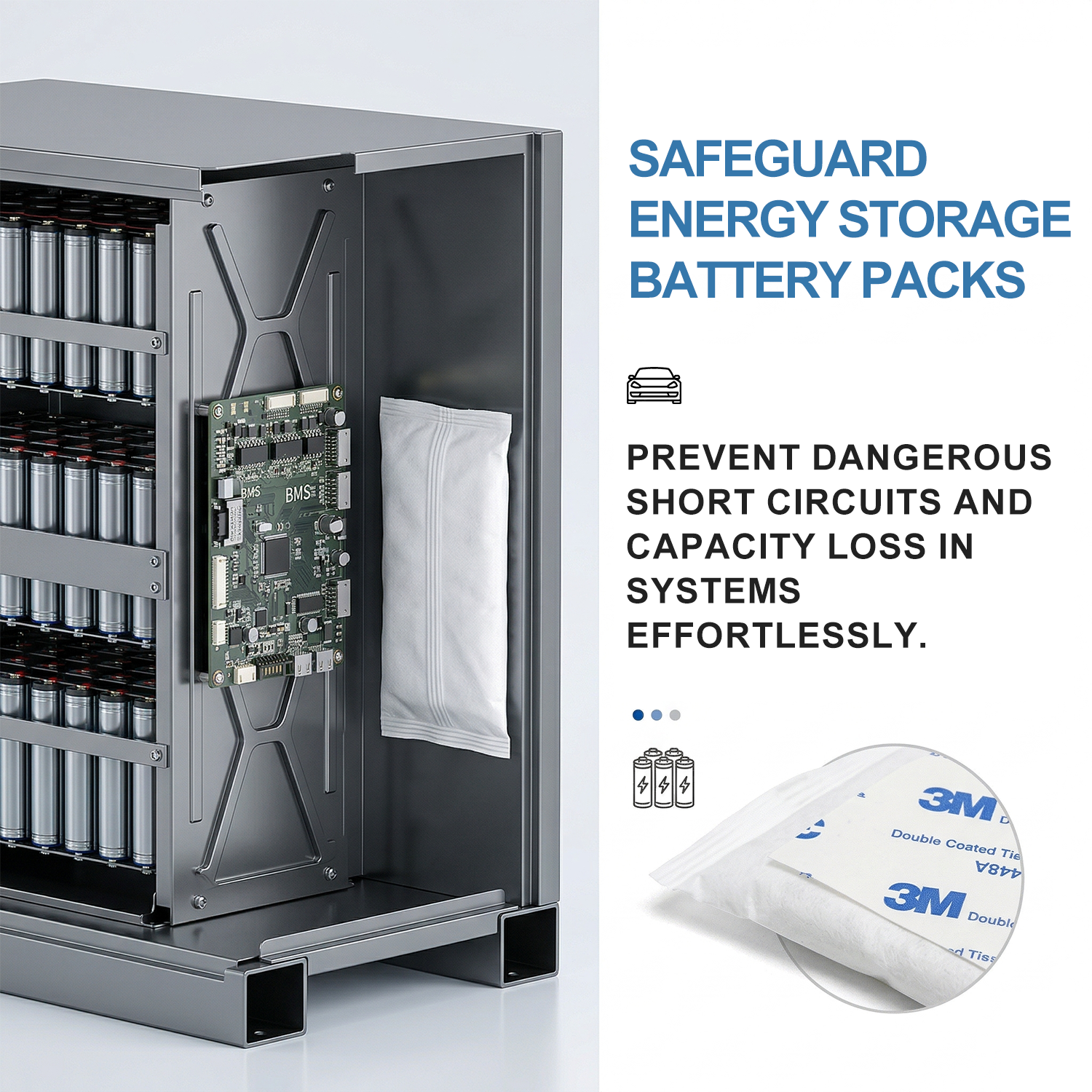
Battery thermal management represents a critical technology designed to regulate and maintain optimal temperature ranges in battery systems, ensuring safety, performance, and longevity. This sophisticated system monitors and controls the temperature of batteries used in electric vehicles, energy storage systems, and various industrial applications. The primary functions include heat dissipation during high-power operations, warming during cold conditions, and maintaining uniform temperature distribution across all battery cells. Modern battery thermal management systems employ various cooling methods such as liquid cooling, air cooling, phase change materials, and advanced refrigerant-based solutions. These technologies work together to prevent thermal runaway, reduce degradation rates, and optimize charging and discharging efficiency. The system integrates sensors, control units, cooling channels, and thermal interface materials to create a comprehensive temperature regulation solution. As battery technology advances and energy demands increase, effective battery thermal management becomes increasingly essential for maximizing performance and ensuring operational safety. Applications span across automotive sectors, renewable energy storage, consumer electronics, and industrial power systems. The technology continuously evolves to meet stricter safety standards and performance requirements, incorporating smart monitoring capabilities and predictive algorithms that anticipate thermal challenges before they impact system performance. Understanding battery thermal management is crucial for anyone involved in battery-powered applications, as it directly influences total cost of ownership, system reliability, and user satisfaction.


New Product Releases

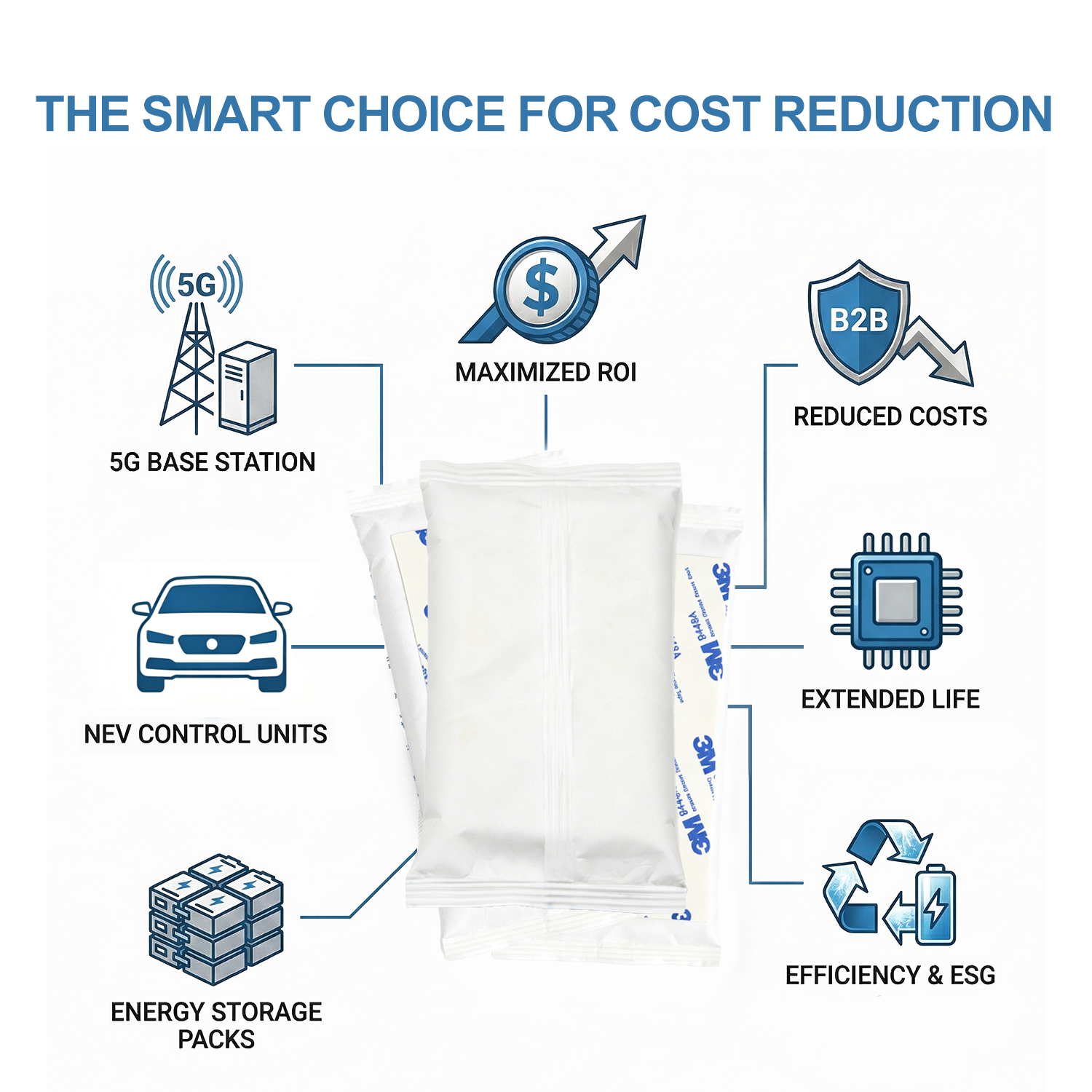
Investing in advanced battery thermal management delivers substantial benefits that directly impact your operational efficiency and bottom line. First, you gain extended battery lifespan, as proper temperature control significantly reduces degradation rates and preserves capacity over thousands of charge cycles, translating to lower replacement costs and improved return on investment. Your battery systems achieve consistent performance across diverse environmental conditions, maintaining power output and charging speeds regardless of external temperatures. This reliability ensures uninterrupted operations and predictable performance metrics that support business planning and customer satisfaction. Safety improvements stand as a paramount advantage, as effective battery thermal management prevents overheating scenarios that could lead to thermal runaway, fires, or catastrophic failures, protecting your assets, personnel, and reputation. You also benefit from faster charging capabilities, since optimal temperature conditions allow batteries to accept higher charging currents without risking damage, reducing downtime and improving productivity. Energy efficiency improves substantially when batteries operate within ideal temperature ranges, maximizing available capacity and extending operational range for electric vehicles or runtime for stationary applications. The technology provides real-time monitoring and diagnostic capabilities, enabling predictive maintenance strategies that identify potential issues before they cause failures, reducing unexpected downtime and maintenance costs. Your systems gain competitive advantages through improved performance specifications, meeting demanding application requirements that wouldn't be possible without sophisticated battery thermal management. Furthermore, compliance with increasingly stringent safety regulations becomes straightforward, as modern systems incorporate necessary safeguards and documentation capabilities. These combined benefits create compelling value propositions for manufacturers, fleet operators, and end users seeking reliable, efficient, and safe battery-powered solutions.

Practical Tips

IHumi Medicinal Material Humidity Sheets

11

Dec

IHumi Medicinal Material Humidity Sheets

View More
Humidity Management Solutions for Museum

11

Dec

Humidity Management Solutions for Museum

View More
The Carbon Reduction Power of a Single Desiccant Pack: From Humidity Control to Green Manufacturing

11

Dec

The Carbon Reduction Power of a Single Desiccant Pack: From Humidity Control to Green Manufacturing

View More
Ihumi to Unveil Next-Gen Two-Way Humidity Control Solutions at interpack 2026

22

Apr

Ihumi to Unveil Next-Gen Two-Way Humidity Control Solutions at interpack 2026

View More

Get a Free Quote

Our representative will contact you soon.
Email
Mobile/WhatsApp
Name
Company Name
Message
0/1000

battery thermal management

Advanced Temperature Control Technology

Advanced Temperature Control Technology

Modern battery thermal management systems utilize cutting-edge temperature control technologies that precisely regulate battery conditions across all operating scenarios. These systems employ multiple cooling and heating strategies simultaneously, including liquid coolant circulation through dedicated channels, advanced heat exchangers, and intelligent control algorithms that respond dynamically to changing conditions. The technology incorporates high-precision temperature sensors distributed throughout the battery pack, providing real-time data that enables microsecond-level adjustments to thermal management operations. Phase change materials may be integrated to absorb excess heat during peak demand periods and release it gradually, creating natural thermal buffering that reduces active cooling requirements. This multi-layered approach ensures that every cell maintains optimal temperature, preventing hot spots that accelerate degradation and cold zones that limit performance. The sophisticated control systems learn from operational patterns, predicting thermal challenges before they occur and preemptively adjusting cooling or heating operations. This proactive management extends battery life significantly compared to reactive systems, while maintaining peak performance throughout the battery's operational lifetime, delivering exceptional value for demanding applications.
Enhanced Safety and Reliability Features

Enhanced Safety and Reliability Features

Safety represents the cornerstone of effective battery thermal management, with modern systems incorporating multiple redundant protection mechanisms that prevent thermal incidents. Advanced monitoring networks continuously track temperature gradients, voltage variations, and current flow patterns, identifying anomalies that could indicate developing problems. When potential risks are detected, the system implements graduated responses, from minor cooling adjustments to complete system shutdown if necessary, ensuring personnel and equipment protection. Fail-safe designs ensure that even if primary cooling systems malfunction, backup mechanisms activate automatically to maintain safe operating temperatures. The technology includes sophisticated fire suppression integration capabilities, coordinating with facility safety systems to provide comprehensive protection. Thermal barriers and isolation technologies prevent thermal propagation between battery modules, containing any localized incidents and preventing cascade failures. These comprehensive safety features meet or exceed international standards and regulations, providing documentation and traceability that simplifies compliance verification. Users gain peace of mind knowing that multiple protection layers actively safeguard their investments and operations, while insurance and regulatory approvals become more accessible due to demonstrated safety credentials built into battery thermal management architectures.
Optimized Performance Across All Conditions

Optimized Performance Across All Conditions

Battery thermal management systems deliver consistent, optimal performance regardless of environmental challenges or operational demands. Whether operating in extreme heat, freezing cold, or rapidly changing conditions, these systems maintain batteries within ideal temperature windows that maximize efficiency and power output. During cold starts, integrated heating elements quickly bring batteries to optimal operating temperatures, eliminating performance penalties associated with cold weather operations. In high-temperature environments or during sustained high-power operations, advanced cooling technologies dissipate heat effectively, preventing thermal throttling that would otherwise limit performance. This temperature optimization enables batteries to deliver their full rated capacity and power output consistently, supporting applications that demand reliable performance. The systems also optimize charging operations, maintaining ideal temperatures that allow maximum charging rates while protecting battery health, significantly reducing charging times compared to unmanaged systems. For electric vehicles, this translates to extended range, better acceleration, and faster charging. For stationary storage applications, it means higher throughput, better efficiency, and longer service life. The performance optimization extends to energy efficiency, as batteries operating at ideal temperatures exhibit lower internal resistance and higher charge acceptance, maximizing every watt of energy stored and delivered.

Get a Free Quote

Our representative will contact you soon.
Email
Mobile/WhatsApp
Name
Company Name
Message
0/1000

Get a Free Quote

Our representative will contact you soon.
Email
Mobile/WhatsApp
Name
Company Name
Message
0/1000