Thermal Management System Solutions & Benefits

All Categories

thermal management system

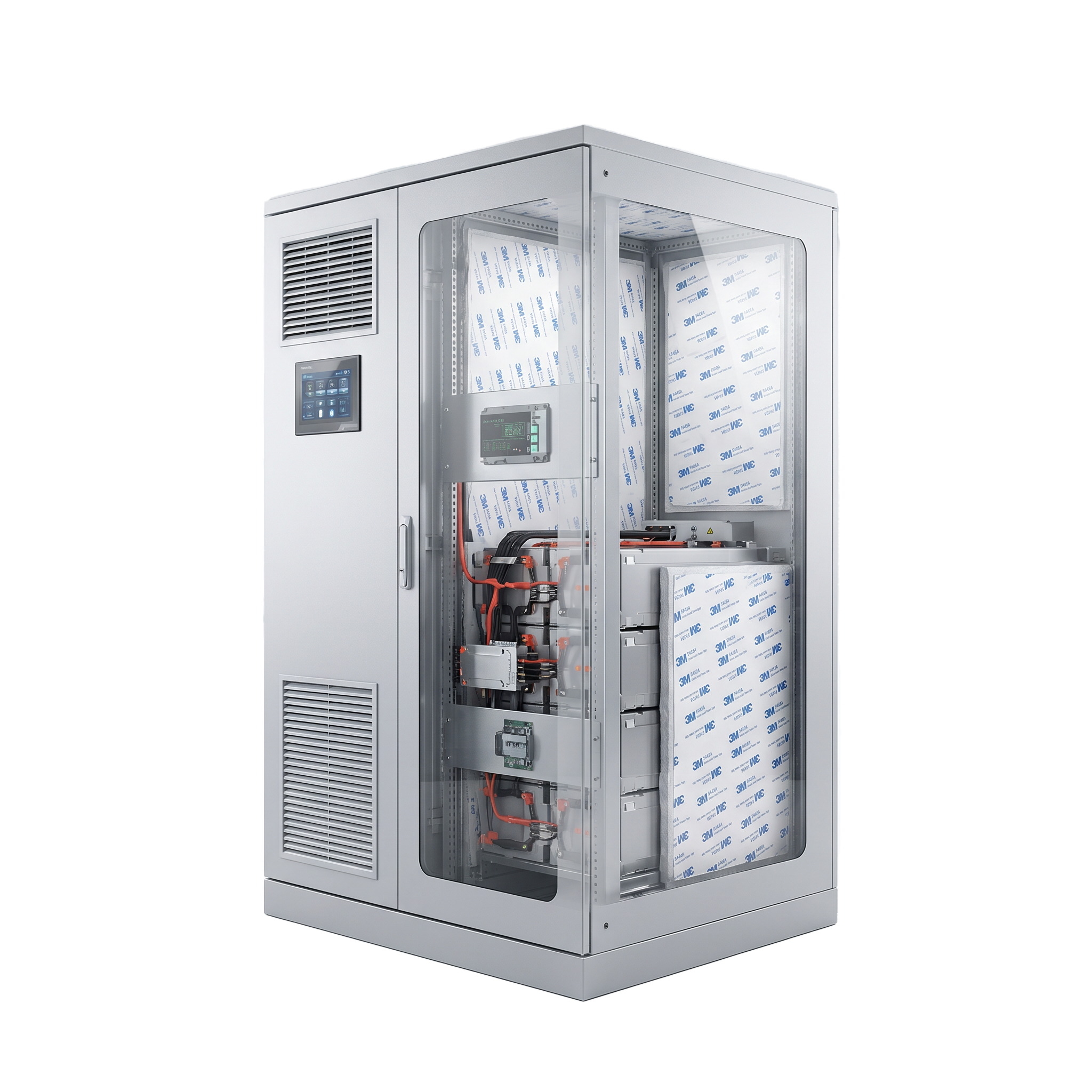
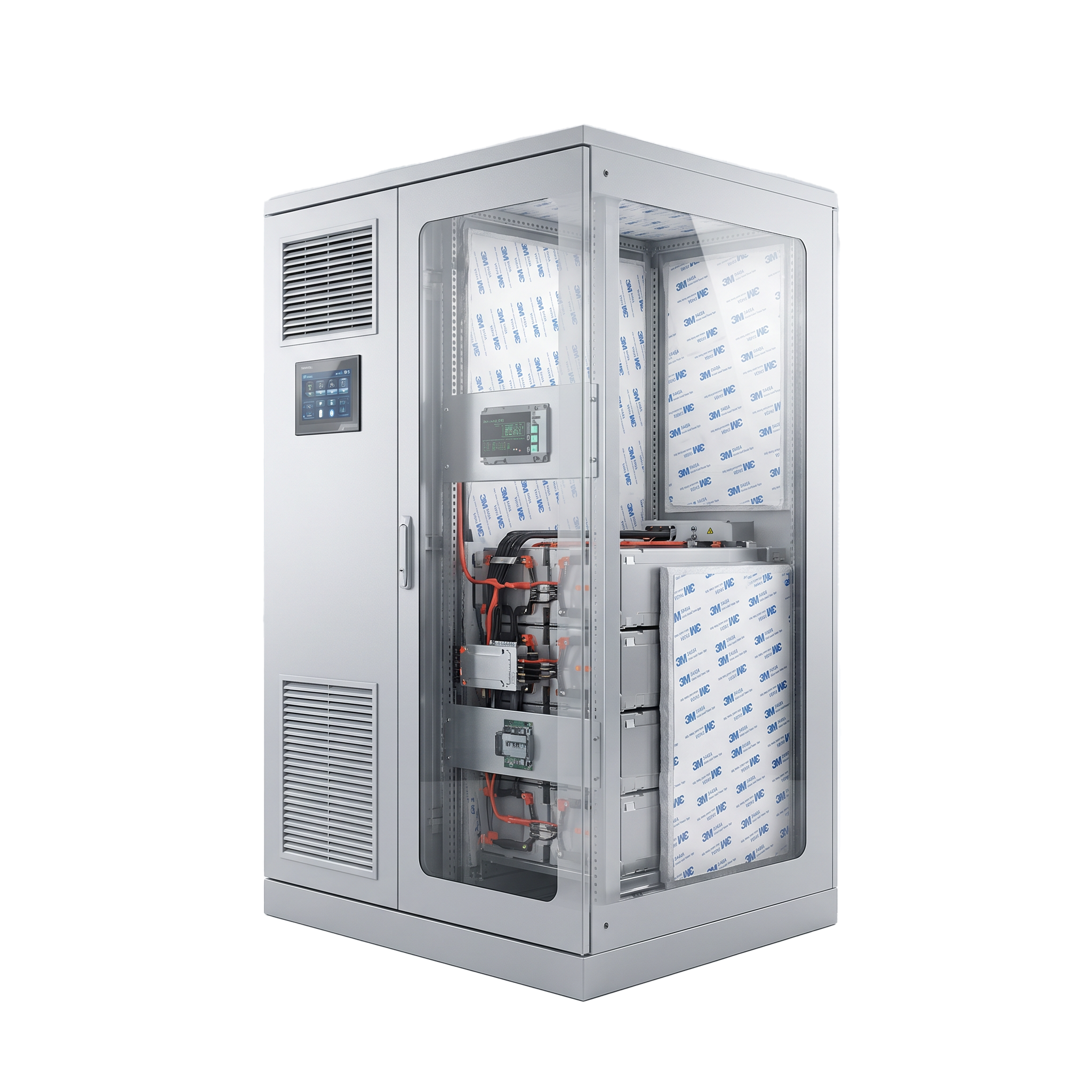
A thermal management system is an essential solution designed to control and regulate temperature across various industrial and commercial applications. This sophisticated system works by removing excess heat from critical components, equipment, or environments to maintain optimal operating conditions and prevent overheating. The primary functions include heat dissipation, temperature monitoring, cooling distribution, and maintaining consistent thermal balance throughout the operational cycle. Modern thermal management systems incorporate advanced technologies such as liquid cooling circuits, heat exchangers, thermal interface materials, and intelligent control algorithms that continuously adjust performance based on real-time temperature data. These systems utilize various cooling methods including forced air convection, liquid cooling loops, phase-change materials, and thermoelectric cooling depending on application requirements. The technological features encompass automated temperature sensors, variable-speed pumps and fans, precision flow control valves, and integrated monitoring software that provides instant alerts when temperature thresholds are exceeded. Applications span across multiple industries including electric vehicle battery cooling, data center server management, industrial machinery protection, power electronics cooling, aerospace equipment, medical devices, and renewable energy systems. A reliable thermal management system ensures equipment longevity, maintains performance efficiency, reduces energy consumption, and prevents costly downtime caused by thermal failures. Whether protecting sensitive electronics in harsh environments or maintaining battery performance in electric vehicles, these systems deliver precise temperature control that keeps operations running smoothly and safely under demanding conditions.


Popular Products

Investing in a quality thermal management system delivers substantial practical benefits that directly impact your bottom line and operational success. First, you gain equipment protection that extends the lifespan of expensive machinery and electronics by preventing heat-related failures and component degradation. This protection translates into reduced replacement costs and fewer unexpected breakdowns that disrupt your production schedule. Second, your operations become more energy-efficient because properly cooled equipment operates at peak performance levels, consuming less power while delivering better output. This efficiency reduces your electricity bills and supports sustainability goals that increasingly matter to customers and stakeholders. Third, you experience improved reliability with consistent temperature control that eliminates hot spots and thermal cycling damage, ensuring your systems perform predictably day after day. Fourth, safety improves significantly as a thermal management system prevents dangerous overheating situations that could cause fires, explosions, or workplace injuries, protecting both personnel and assets. Fifth, you gain operational flexibility because these systems adapt to varying load conditions, ambient temperatures, and usage patterns without manual intervention. The automated controls continuously optimize cooling performance, freeing your team from constant monitoring and adjustment tasks. Sixth, you benefit from reduced maintenance requirements since controlled temperatures prevent dust accumulation, corrosion, and wear that typically require frequent servicing. Seventh, you achieve better performance metrics as components operating within ideal temperature ranges deliver faster processing speeds, higher accuracy, and greater throughput. Finally, choosing the right thermal management system provides competitive advantages through improved product quality, faster time-to-market, and the ability to operate in challenging environments where competitors cannot maintain adequate cooling.

Latest News

Self-test of Moisture Absorption Performance of Desiccant

11

Dec

Self-test of Moisture Absorption Performance of Desiccant

View More
IHumi Intelligent Humidity Management Solution

11

Dec

IHumi Intelligent Humidity Management Solution

View More
100 Trainees from Developing Countries to Join International Cross-Border E-Commerce Talent Program

11

Dec

100 Trainees from Developing Countries to Join International Cross-Border E-Commerce Talent Program

View More
Ihumi to Unveil Next-Gen Two-Way Humidity Control Solutions at interpack 2026

22

Apr

Ihumi to Unveil Next-Gen Two-Way Humidity Control Solutions at interpack 2026

View More

Get a Free Quote

Our representative will contact you soon.
Email
Mobile/WhatsApp
Name
Company Name
Message
0/1000

thermal management system

Advanced Multi-Stage Cooling Architecture

Advanced Multi-Stage Cooling Architecture

The thermal management system features a sophisticated multi-stage cooling architecture that addresses different thermal loads with targeted precision. This design incorporates primary cooling loops that handle bulk heat removal from high-power components, secondary circuits that manage moderate thermal zones, and tertiary systems that maintain precise temperature control for sensitive electronics. Each stage operates independently yet coordinates seamlessly through intelligent control algorithms that optimize overall system performance. The architecture includes redundant cooling paths that ensure continuous operation even if one circuit experiences issues, providing fail-safe protection for critical applications. Variable flow control mechanisms adjust coolant circulation rates based on real-time thermal demands, eliminating energy waste while maintaining optimal temperatures across all zones. This layered approach delivers superior cooling efficiency compared to single-stage systems, handles peak thermal loads without performance degradation, and adapts dynamically to changing operational conditions. The result is a thermal management system that provides reliable protection for diverse component types within a single integrated solution, reducing complexity while maximizing cooling effectiveness across your entire operation.
Intelligent Predictive Temperature Control

Intelligent Predictive Temperature Control

Modern thermal management systems incorporate intelligent predictive temperature control technology that anticipates thermal events before they impact operations. Advanced sensors continuously monitor temperature trends, heat generation patterns, and ambient conditions to build comprehensive thermal profiles of your equipment. Machine learning algorithms analyze this data to predict when components will approach critical temperatures, enabling proactive cooling adjustments that prevent thermal stress. The predictive capability extends maintenance planning by identifying cooling system components that show early signs of degradation, allowing scheduled replacements before failures occur. Real-time dashboards provide instant visibility into thermal performance across all monitored zones, with customizable alerts that notify operators of developing issues. The system automatically adjusts fan speeds, pump rates, and valve positions to maintain ideal temperatures while minimizing energy consumption. This intelligence eliminates the temperature fluctuations common in reactive cooling systems that only respond after problems develop. Users benefit from consistent thermal conditions that improve product quality, extend equipment life, and reduce energy costs. The predictive thermal management system transforms cooling from a reactive necessity into a strategic advantage that optimizes performance, prevents downtime, and supports data-driven operational decisions.
Compact High-Density Heat Removal

Compact High-Density Heat Removal

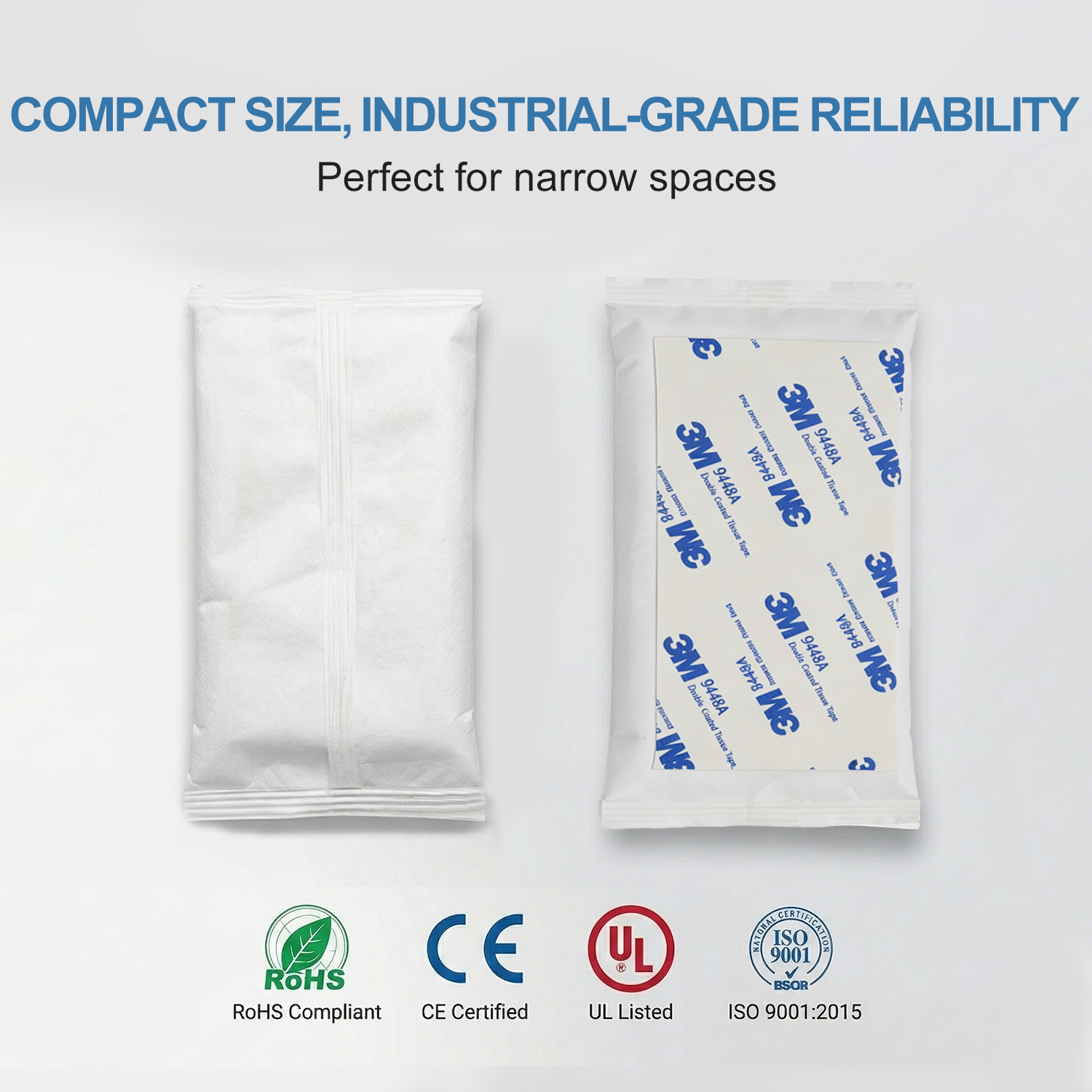
The thermal management system delivers exceptional heat removal capacity within a remarkably compact footprint, making it ideal for space-constrained applications where traditional cooling solutions cannot fit. Engineering innovations including microchannel heat exchangers, high-performance thermal interface materials, and optimized fluid dynamics enable this system to extract significantly more heat per unit volume than conventional designs. The compact architecture proves particularly valuable in electric vehicle applications where every cubic centimeter matters, data centers requiring maximum server density, and portable equipment that demands lightweight cooling solutions. Despite its small size, the system maintains robust cooling performance across wide temperature ranges and varying thermal loads without compromise. The high-density design reduces installation complexity, lowers material costs, and simplifies integration into existing equipment layouts. Modular construction allows capacity scaling by adding units rather than replacing entire systems, providing flexibility as thermal requirements evolve. Users appreciate the space savings that enable more productive use of valuable floor area, reduced shipping costs for portable applications, and simplified maintenance access. This compact thermal management system proves that effective cooling does not require bulky equipment, delivering industrial-strength performance in applications where size and weight constraints previously limited cooling options.

Get a Free Quote

Our representative will contact you soon.
Email
Mobile/WhatsApp
Name
Company Name
Message
0/1000

Get a Free Quote

Our representative will contact you soon.
Email
Mobile/WhatsApp
Name
Company Name
Message
0/1000