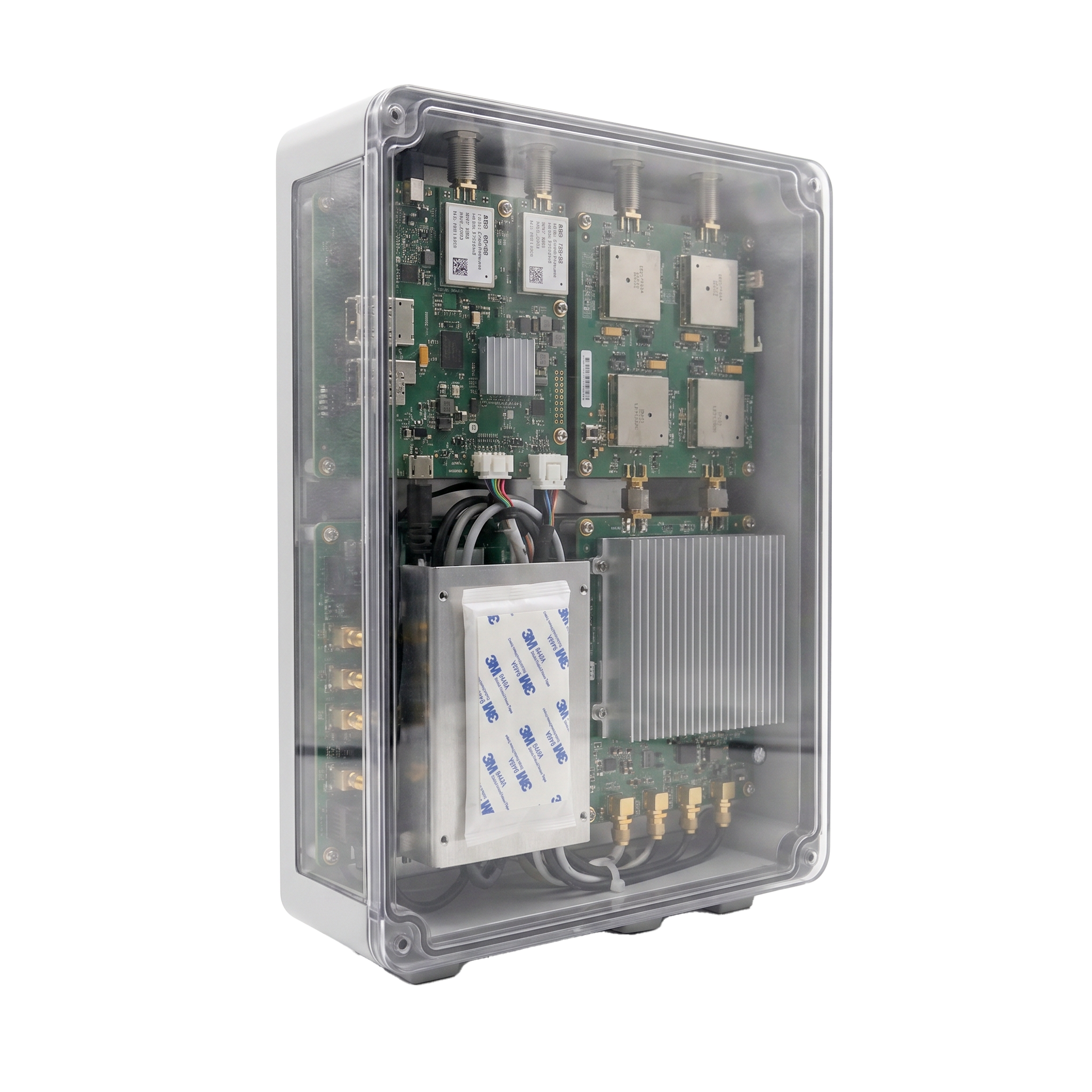
battery thermal management system for electric vehicles
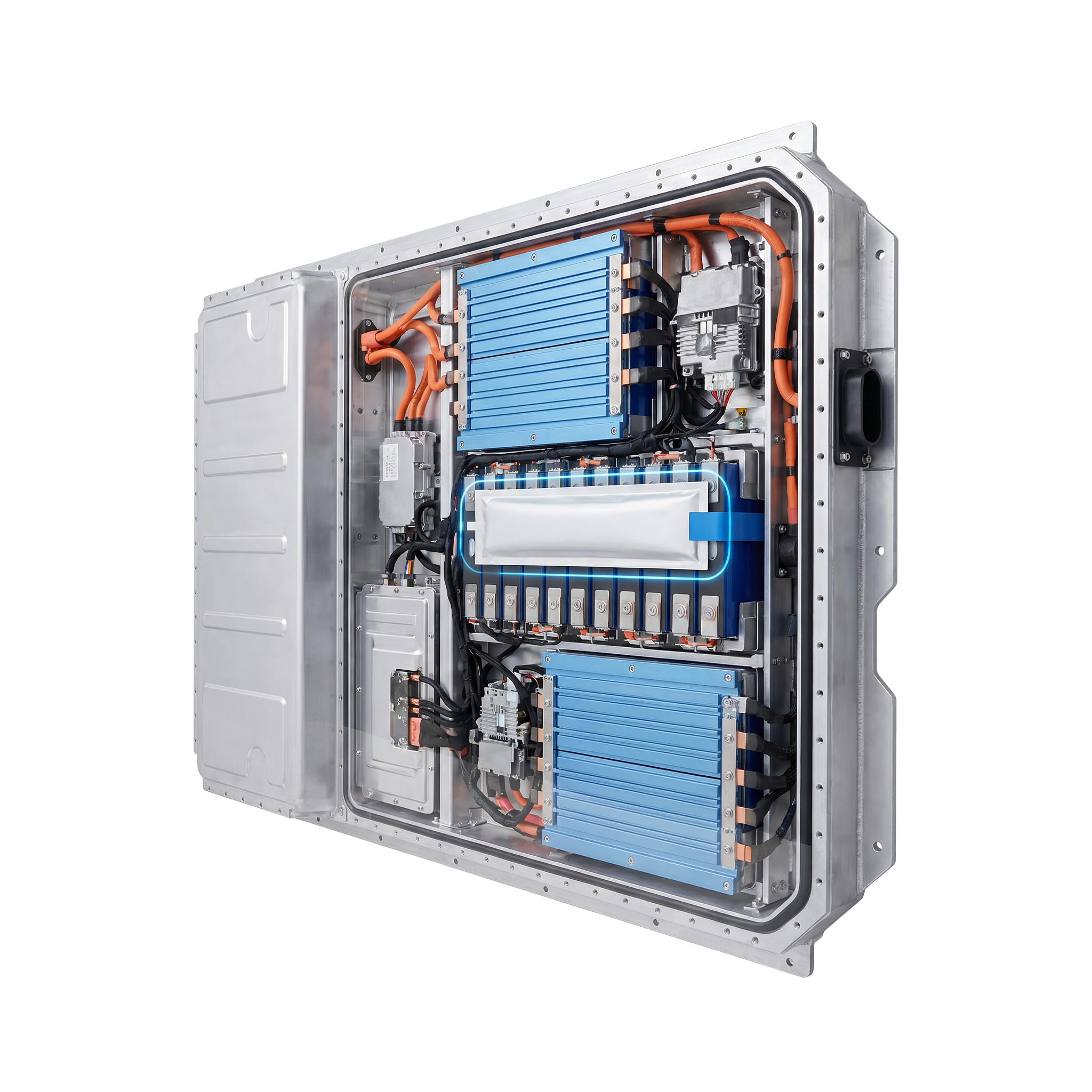
A battery thermal management system for electric vehicles is a sophisticated technology designed to regulate and maintain optimal battery pack temperatures during all operating conditions. This essential system ensures that lithium-ion batteries operate within their ideal temperature range, typically between 20 to 40 degrees Celsius, preventing overheating during rapid charging or high-performance driving and avoiding excessive cooling in cold weather conditions. The battery thermal management system for electric vehicles incorporates multiple components including cooling plates, heat exchangers, thermal sensors, refrigerant circuits, and intelligent control units that work together seamlessly. Its main functions include heat dissipation during charging and discharging cycles, temperature equalization across all battery cells, preheating in cold climates, and continuous monitoring of thermal conditions. The technological features of a battery thermal management system for electric vehicles include liquid cooling channels, air cooling systems, phase change materials, and advanced algorithms that predict thermal behavior. Modern implementations use liquid cooling technology with glycol-based coolants circulating through aluminum plates attached to battery modules, providing efficient heat transfer and uniform temperature distribution. Applications span across passenger electric vehicles, commercial electric trucks, electric buses, and high-performance sports cars where battery longevity and consistent performance are critical. The system protects battery investment by preventing thermal degradation, extends driving range by maintaining efficiency, and enhances safety by eliminating thermal runaway risks that could lead to battery fires or failures.






 EN
EN