Thermal Management Material Solutions

All Categories

thermal management material

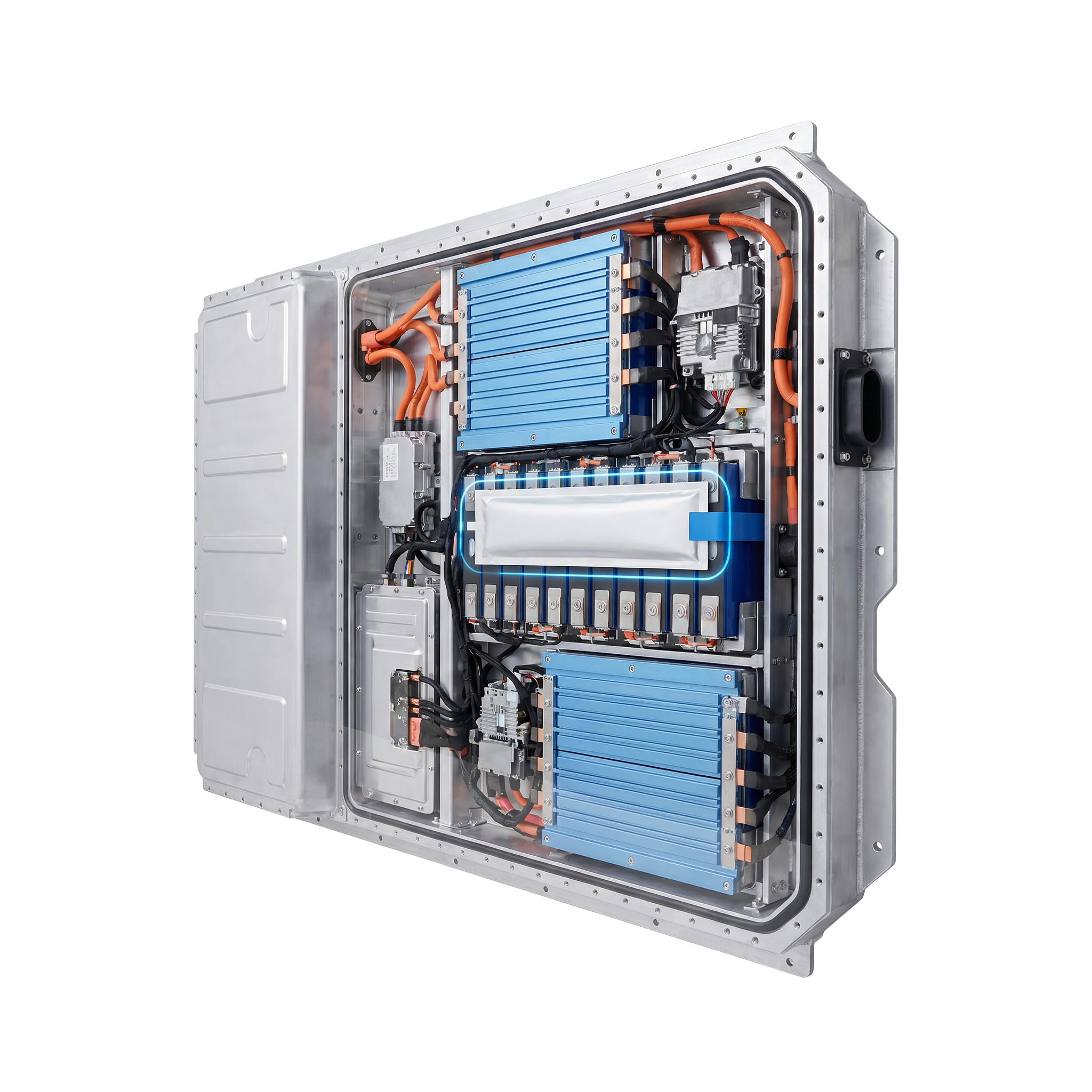
Thermal management material plays a critical role in modern electronics and industrial systems by controlling heat dissipation and maintaining optimal operating temperatures. These specialized materials are engineered to transfer, absorb, or insulate heat effectively, preventing device failures and extending product lifespan. As electronic components become increasingly compact and powerful, the demand for high-performance thermal management material continues to grow across multiple industries. The primary function of thermal management material is to create efficient thermal pathways that remove excess heat from critical components such as processors, power modules, LED systems, and battery packs. This material comes in various forms including thermal interface materials, phase change materials, thermal pads, gap fillers, and heat spreaders. Each type offers unique thermal conductivity properties designed for specific applications and operating conditions. Technological features of advanced thermal management material include high thermal conductivity ranging from 1 to over 200 W/mK, excellent conformability to irregular surfaces, electrical insulation properties, and long-term reliability under thermal cycling. Modern formulations incorporate materials such as silicone, ceramics, graphite, metal oxides, and carbon nanotubes to achieve superior performance. Applications span numerous sectors including consumer electronics, automotive systems, telecommunications infrastructure, renewable energy installations, medical devices, and aerospace equipment. Whether cooling smartphones, electric vehicle batteries, or data center servers, thermal management material ensures consistent performance and reliability in heat-sensitive environments.


New Products

Selecting the right thermal management material delivers substantial cost savings by preventing premature component failure and reducing warranty claims. When electronic devices overheat, performance throttles and components degrade rapidly, leading to expensive repairs or replacements. Quality thermal management material addresses these concerns by maintaining temperatures within safe operating ranges, directly extending product lifespan and improving customer satisfaction. From an operational perspective, effective thermal management material enables devices to run at peak performance without thermal throttling. This means faster processing speeds, higher power outputs, and improved energy efficiency. For manufacturers, using reliable thermal management material simplifies assembly processes through easy application methods, whether via dispensing, die-cutting, or roll-to-roll processing. This streamlines production and reduces labor costs. Application suitability is another key advantage, as modern thermal management material comes in diverse formulations tailored to specific industry requirements. Whether you need electrical insulation, flame retardancy, chemical resistance, or ultra-low thermal impedance, there exists a solution matched to your exact specifications. This versatility means one material platform can often address multiple thermal challenges across different product lines. Decision-makers appreciate that investing in premium thermal management material reduces total cost of ownership. While initial material costs may be higher than basic alternatives, the reduction in failure rates, warranty expenses, and engineering redesigns delivers significant return on investment. Additionally, many thermal management material options support sustainability goals through RoHS compliance, halogen-free formulations, and recyclability. For businesses competing in markets where product reliability differentiates brands, choosing advanced thermal management material becomes a strategic advantage that protects both reputation and profitability while ensuring products perform reliably throughout their intended service life.

Latest News

Green Energy Reduction Case Study: Energy Efficiency Retrofit Using Shanghai Hengyuan Polymer’s Precision Humidity-Control Panels

11

Dec

Green Energy Reduction Case Study: Energy Efficiency Retrofit Using Shanghai Hengyuan Polymer’s Precision Humidity-Control Panels

View More
Humidity Management Solutions for Museum

11

Dec

Humidity Management Solutions for Museum

View More
100 Trainees from Developing Countries to Join International Cross-Border E-Commerce Talent Program

11

Dec

100 Trainees from Developing Countries to Join International Cross-Border E-Commerce Talent Program

View More
Ihumi to Unveil Next-Gen Two-Way Humidity Control Solutions at interpack 2026

22

Apr

Ihumi to Unveil Next-Gen Two-Way Humidity Control Solutions at interpack 2026

View More

Get a Free Quote

Our representative will contact you soon.
Email
Mobile/WhatsApp
Name
Company Name
Message
0/1000

thermal management material

Superior Heat Transfer Efficiency

Superior Heat Transfer Efficiency

The exceptional thermal conductivity of advanced thermal management material fundamentally transforms how electronic systems handle heat dissipation challenges. Unlike conventional cooling solutions that create thermal bottlenecks, high-performance thermal management material establishes direct, low-resistance pathways that rapidly channel heat away from sensitive components to heat sinks or chassis structures. This capability becomes increasingly vital as chip densities increase and power consumption rises in modern electronics. Materials engineered with specialized fillers such as boron nitride, aluminum oxide, or graphene achieve thermal conductivities that can exceed 15 W/mK in soft conformable formats and surpass 200 W/mK in graphite-based solutions. This superior heat transfer efficiency means components operate cooler, fans run slower and quieter, and systems maintain consistent performance even under demanding workloads. For manufacturers, this translates to greater design flexibility, allowing for slimmer product profiles, reduced cooling system complexity, and improved aesthetic appeal without compromising thermal performance. The reliability benefits extend product lifetimes significantly, as every 10-degree reduction in operating temperature can double component longevity according to industry studies.
Excellent Surface Conformability

Excellent Surface Conformability

One of the most valuable characteristics of quality thermal management material is its ability to conform perfectly to microscopic surface irregularities that exist on all real-world components and heat sinks. Even precision-machined surfaces contain scratches, machining marks, and roughness at the microscopic level that trap air pockets when mating surfaces come together. Since air has extremely poor thermal conductivity, these microscopic gaps create significant thermal resistance that impedes heat transfer. Advanced thermal management material solves this problem through controlled softness and flowability that allows the material to fill surface imperfections completely, displacing air and creating intimate contact between components. This conformability is achieved through careful formulation of polymer matrices, plasticizers, and filler particle size distributions that balance mechanical stability with thermal performance. The result is dramatically reduced thermal interface resistance, often lowering junction temperatures by 10-20 degrees compared to dry contact or poorly designed interfaces. This conformability also compensates for component tolerances and thermal expansion mismatches that occur during temperature cycling, maintaining consistent thermal performance throughout the product lifecycle. For applications involving irregular surfaces, curved components, or assemblies with multiple contact points, conformable thermal management material provides uniform thermal performance that rigid solutions simply cannot match.
Long-Term Reliability and Stability

Long-Term Reliability and Stability

Thermal management material engineered for professional applications demonstrates exceptional long-term reliability under continuous thermal cycling, mechanical stress, and environmental exposure. Unlike basic materials that may pump out, dry out, or degrade over time, premium thermal management material maintains consistent performance for years of operation. This stability results from advanced polymer chemistry that resists oxidation, prevents volatile component evaporation, and maintains adhesion under repeated heating and cooling cycles. Reliability testing protocols subject thermal management material to thousands of temperature cycles between extreme temperatures, humidity exposure, and mechanical shock to validate performance retention. Materials that pass these rigorous tests ensure that the thermal interface established during manufacturing remains effective throughout the entire product service life. This long-term stability is particularly critical in applications where maintenance access is limited or impossible, such as sealed consumer electronics, embedded automotive systems, or remote telecommunications equipment. The chemical stability of quality thermal management material also means compatibility with diverse substrates including metals, ceramics, plastics, and printed circuit boards without causing corrosion or material degradation. For manufacturers, this reliability translates directly to reduced warranty costs, enhanced brand reputation, and customer confidence that products will perform as specified for their entire intended lifespan without thermal-related failures.

Get a Free Quote

Our representative will contact you soon.
Email
Mobile/WhatsApp
Name
Company Name
Message
0/1000

Get a Free Quote

Our representative will contact you soon.
Email
Mobile/WhatsApp
Name
Company Name
Message
0/1000