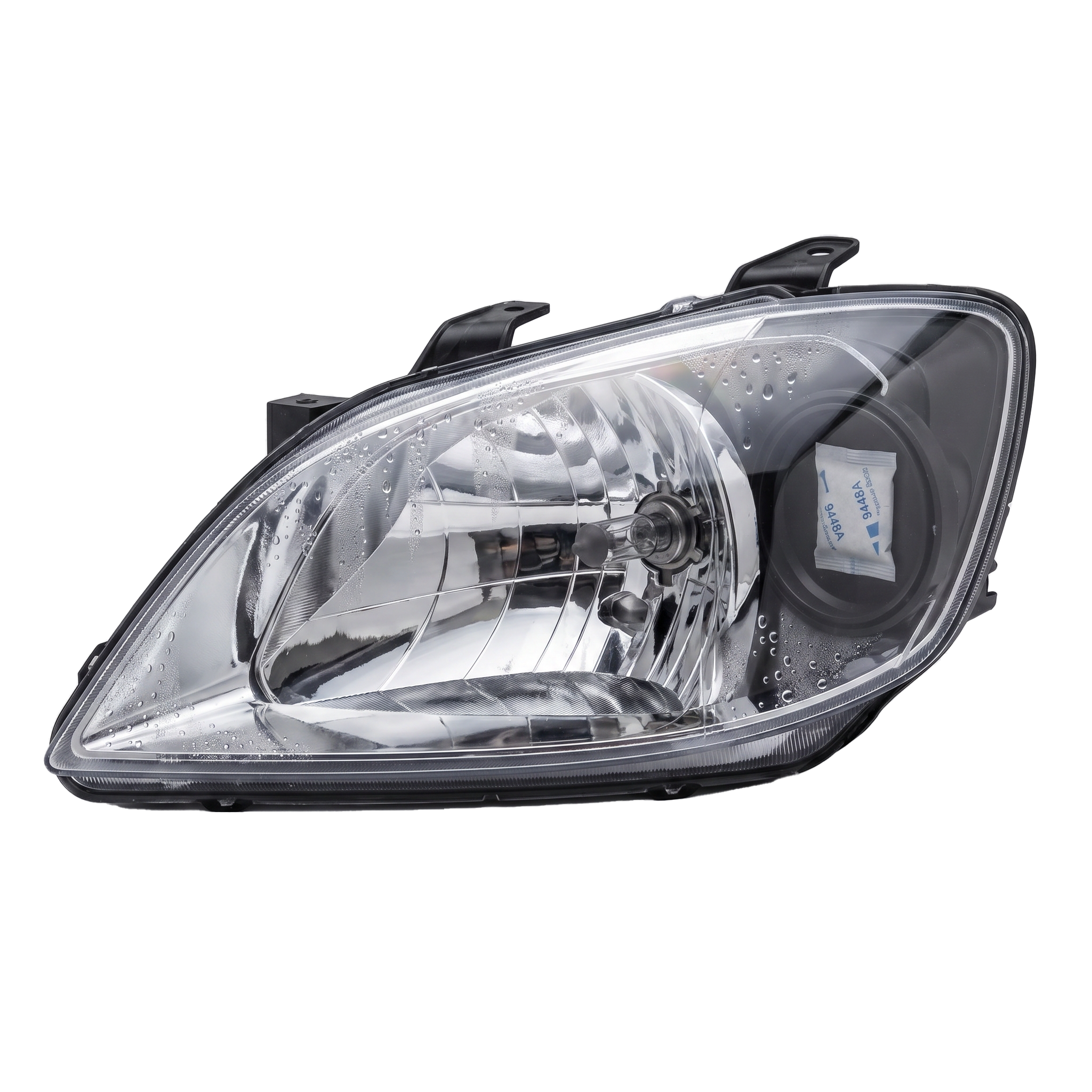
condensation inside car headlight
Condensation inside car headlight is a common automotive issue that occurs when moisture becomes trapped within the headlight assembly, creating visible water droplets or fog on the internal lens surface. This phenomenon typically happens due to temperature fluctuations between the headlight's interior and exterior environments, especially during seasonal transitions or rapid weather changes. Modern headlight assemblies feature ventilation systems designed to allow air circulation while preventing water ingress, but condensation inside car headlight can still develop when these vents become blocked or when seals deteriorate over time. The issue affects both halogen and LED headlight systems, though the heat generated by different bulb types influences condensation patterns differently. Understanding condensation inside car headlight helps vehicle owners distinguish between normal temporary moisture and serious seal failures requiring professional attention. Headlight assemblies are not completely sealed units; they incorporate breather vents that equalize internal pressure and allow moisture to escape naturally. When functioning correctly, minor condensation inside car headlight should dissipate within 20-30 minutes of normal driving as the headlights warm up. However, persistent moisture accumulation indicates compromised seals, cracked housings, or blocked ventilation channels that need immediate repair. Addressing condensation inside car headlight promptly prevents reduced visibility, potential electrical component damage, and accelerated bulb degradation. Regular inspection of headlight assemblies, proper seal maintenance, and ensuring ventilation passages remain clear are essential preventive measures for managing this moisture-related challenge effectively.




 EN
EN