fog light condensation
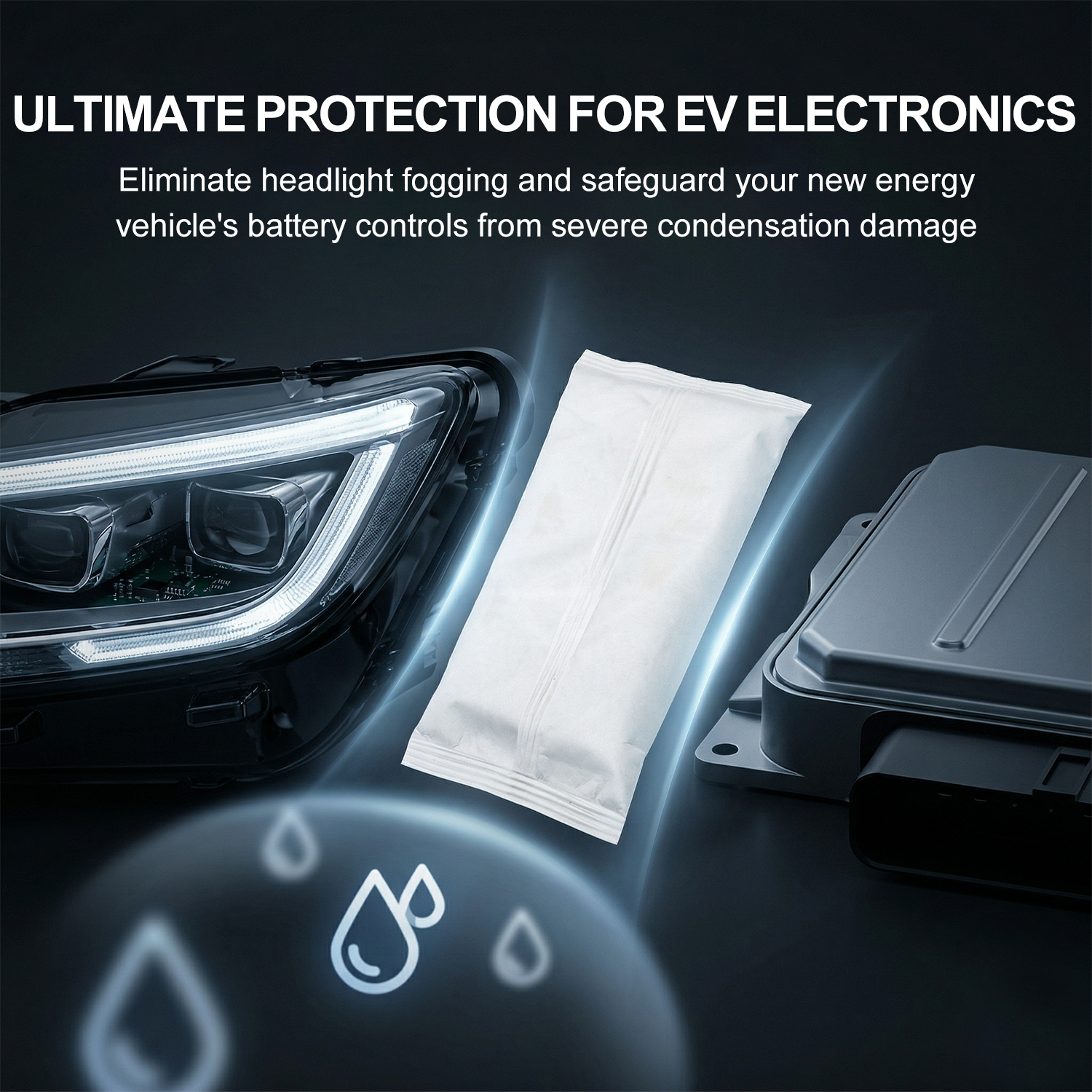
Fog light condensation is a common phenomenon that occurs when moisture accumulates inside automotive fog light assemblies, creating visible water droplets or fogging on the interior lens surface. This issue affects vehicle lighting performance and aesthetic appearance, particularly in humid climates or during temperature fluctuations. Understanding fog light condensation helps vehicle owners distinguish between normal moisture behavior and problematic seal failures. Modern fog light assemblies incorporate advanced ventilation systems designed to manage internal humidity levels effectively. These systems allow controlled air exchange while preventing water ingress, dust contamination, and debris entry. The technology behind fog light condensation management includes breathable membranes, strategic vent placement, and hydrophobic coatings that facilitate rapid moisture evaporation. When fog light condensation appears temporarily and dissipates within hours of vehicle operation, this typically indicates normal functioning of the ventilation system. However, persistent fog light condensation accompanied by standing water pools suggests compromised seals or damaged housing requiring immediate attention. Manufacturers engineer fog lights with specific tolerances for moisture management, balancing the need for pressure equalization against environmental protection. The application of fog light condensation prevention extends across passenger vehicles, commercial trucks, motorcycles, and off-road equipment. Proper diagnosis of fog light condensation patterns enables owners to determine whether warranty claims, seal replacements, or simple monitoring suffices. Advanced fog light designs now feature improved drainage channels and faster-drying materials that minimize visible fog light condensation duration, enhancing both safety and vehicle presentation throughout varying weather conditions.



 EN
EN