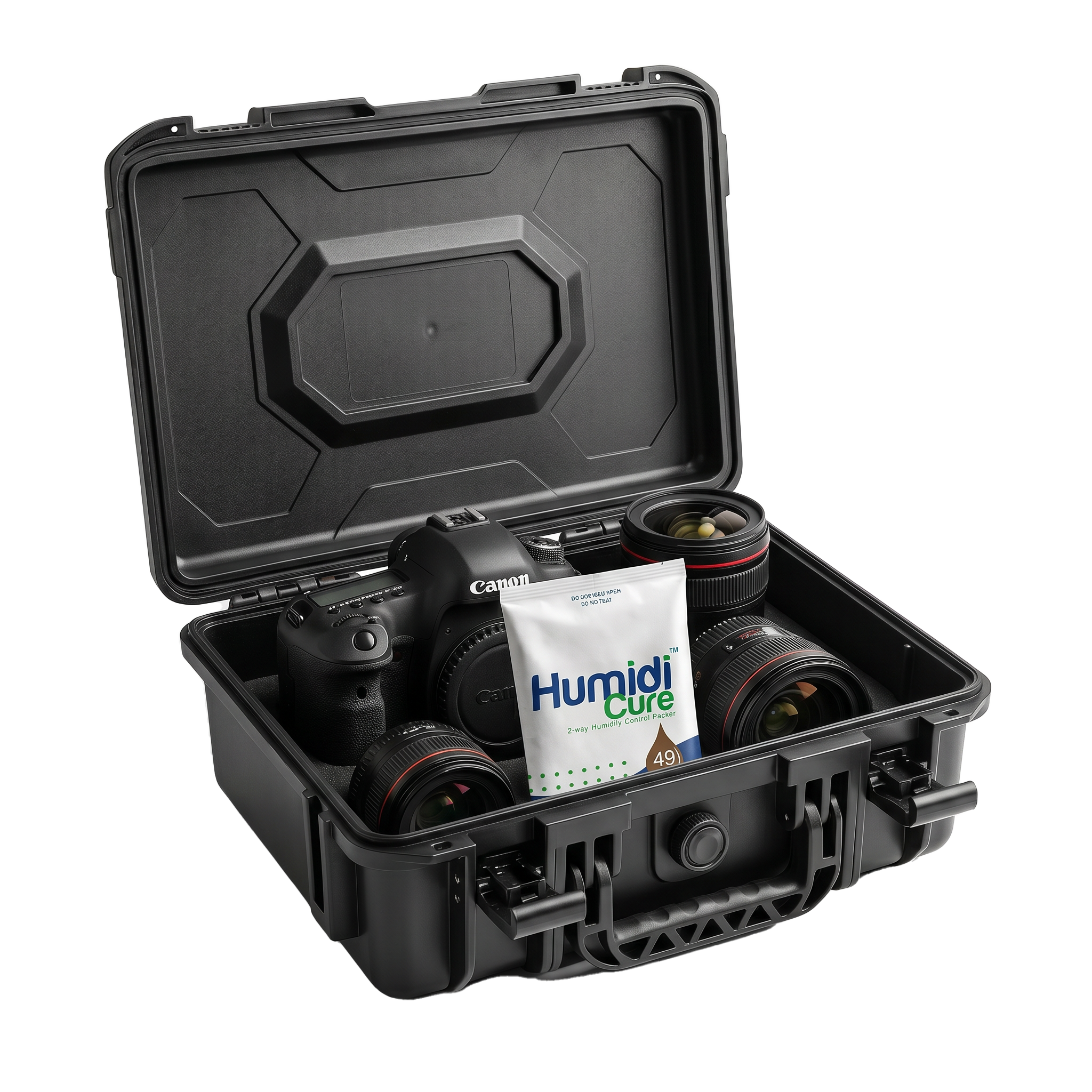
condensation in headlights normal
Condensation in headlights normal is a natural phenomenon that occurs when temperature differences create moisture buildup inside automotive lighting assemblies. This occurrence is completely standard and expected in modern vehicle headlight systems due to their design and ventilation mechanisms. Headlights are not completely sealed units; they feature small vents that allow air circulation to equalize pressure and prevent damage from heat expansion. When warm, moist air enters through these vents and encounters the cooler headlight lens surface, water droplets form temporarily on the interior glass. Understanding that condensation in headlights normal helps vehicle owners avoid unnecessary concern or expensive repairs. The moisture typically appears during specific weather conditions, such as after rain, during humid mornings, or when transitioning between temperature extremes. Modern headlight assemblies are engineered with ventilation tubes and breather valves that facilitate natural air exchange, allowing trapped moisture to evaporate over time. The condensation usually disappears within 20 to 30 minutes of normal driving as the headlight generates heat and the ventilation system works to dry the interior. This self-regulating mechanism demonstrates why condensation in headlights normal should not be confused with water intrusion from cracks or seal failures, which would show standing water pools rather than temporary fog. Manufacturers design headlight systems with this natural condensation behavior in mind, ensuring that brief moisture exposure does not damage internal components or affect lighting performance during typical operation.




 EN
EN