headlight water condensation
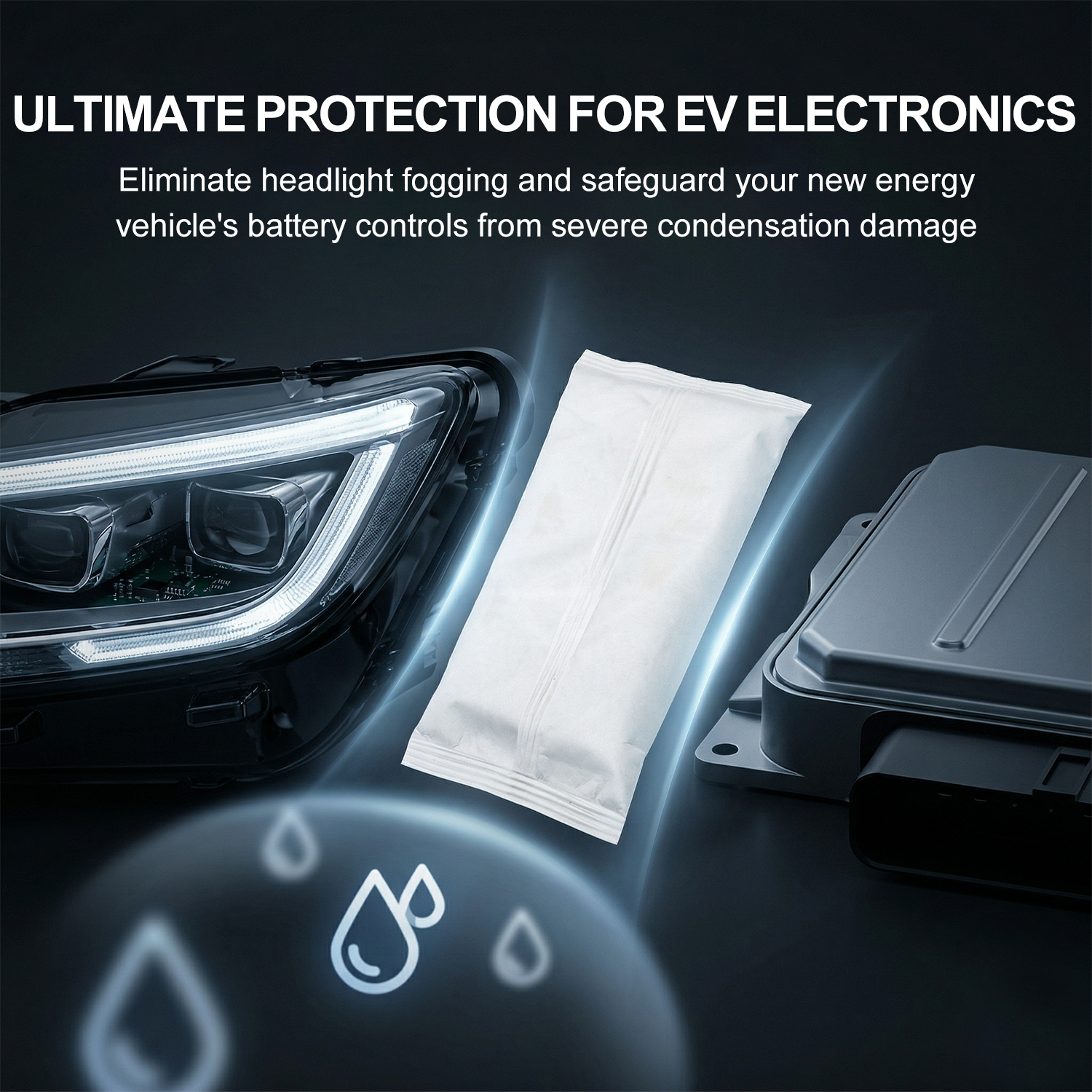
Headlight water condensation is a common phenomenon that occurs when moisture accumulates inside automotive headlight assemblies, creating visible fog or water droplets on the interior lens surface. This issue arises due to temperature differences between the headlight's interior and exterior environments, combined with the natural breathing process of modern headlight housings. Understanding headlight water condensation is essential for vehicle owners and automotive professionals alike, as it affects both visibility and the longevity of lighting components. Modern headlight assemblies are designed with ventilation systems that allow air exchange to equalize pressure and prevent damage, but this same feature can introduce humid air that condenses when temperatures drop. The technological approach to managing headlight water condensation involves sophisticated venting mechanisms, desiccant materials, and improved sealing techniques that minimize moisture intrusion while maintaining necessary airflow. Applications of anti-condensation technology span across passenger vehicles, commercial trucks, motorcycles, and specialty automotive equipment. The main functions of effective headlight water condensation management include preserving optimal light output, preventing electrical component corrosion, extending bulb lifespan, and maintaining clear visibility for safe driving. Advanced headlight designs incorporate microporous membranes, strategic vent placement, and moisture-absorbing materials to combat condensation effectively. As automotive lighting technology evolves with LED and adaptive systems, addressing headlight water condensation becomes increasingly critical to protect sensitive electronic components and ensure consistent performance across varying environmental conditions.




 EN
EN