
 EN
EN
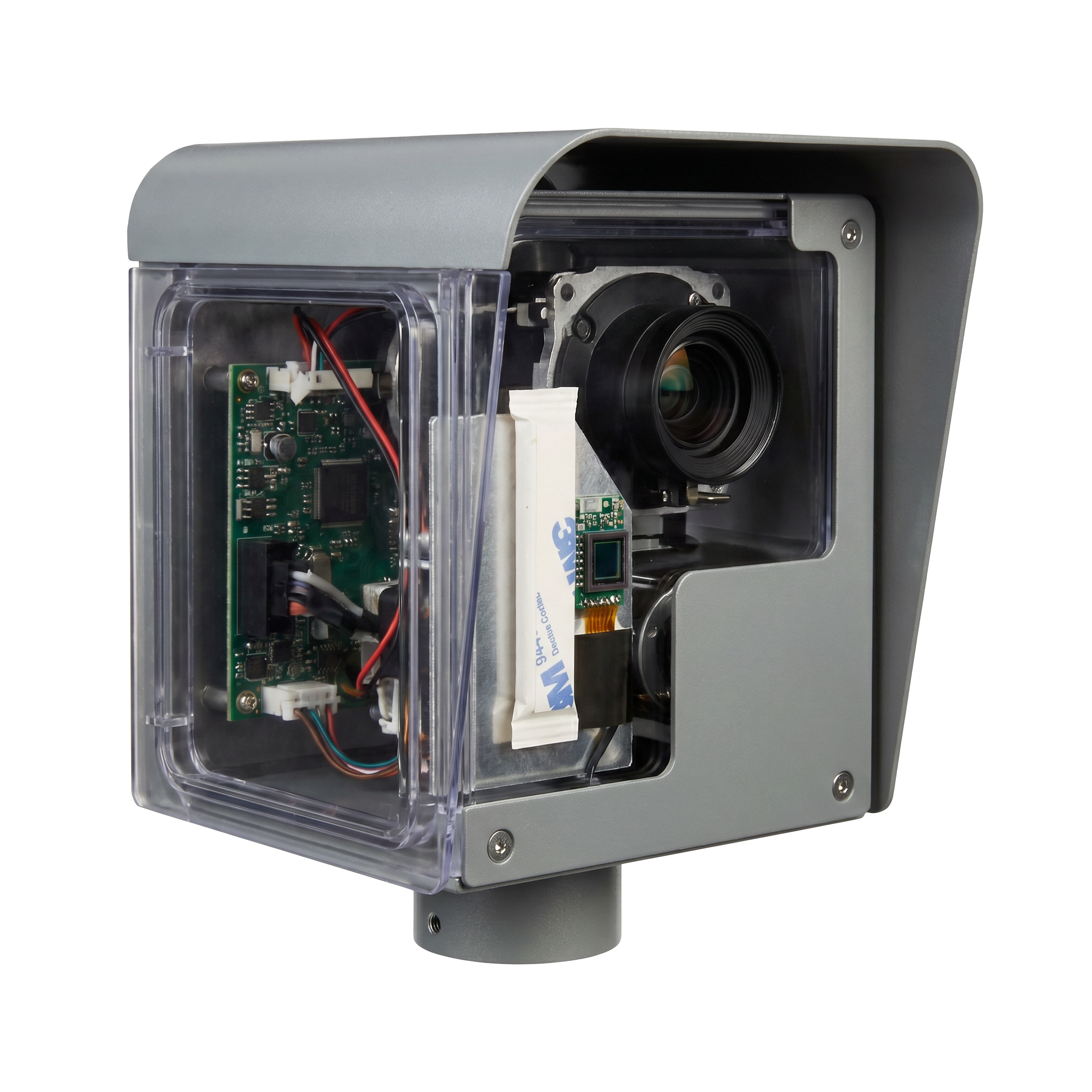
In the electronics manufacturing industry, moisture control is not simply a precaution — it is a core engineering discipline. Every stage of production, from component storage to final assembly, involves exposure to humidity that can silently compromise quality. When manufacturers fail to address moisture control with rigorous attention, the consequences range from subtle performance degradation to catastrophic product failure. Understanding why moisture control sits at the top of every quality engineer's agenda begins with recognizing how deeply moisture interacts with electronic materials.
Effective moisture control protects the integrity of printed circuit boards, semiconductors, connectors, and enclosures. It reduces warranty claims, extends product service life, and supports compliance with demanding industry standards. Across automotive electronics, industrial control systems, and consumer devices, moisture control remains the single most consistent factor separating durable products from those that fail prematurely. This article examines the core reasons why electronics manufacturers treat moisture control as an indispensable strategic priority.
The Hidden Damage Moisture Causes in Electronics
How Moisture Degrades Electronic Components
Moisture penetrates electronic assemblies through microscopic pathways that are nearly invisible during visual inspection. Once inside, moisture control becomes reactive rather than proactive, and damage has often already begun. Water molecules absorbed by PCB substrates increase dielectric loss, reduce insulation resistance, and accelerate electrochemical migration between conductors. These effects develop gradually, making moisture control a long-term reliability concern rather than just an immediate manufacturing challenge.
Semiconductor packages are particularly sensitive to moisture absorption. When a moisture-laden component undergoes rapid thermal cycling during soldering or operation, internal steam pressure can crack the package — a failure mode known as 'popcorning.' Robust moisture control during storage and handling directly prevents this destructive mechanism. Moisture control at the component level, therefore, has direct implications for solder joint quality and final assembly yield.
Condensation and Its Role in Field Failures
Condensation is one of the most aggressive moisture control challenges in deployed electronics. When an electronic enclosure transitions from cold to warm environments, water vapor condenses on internal surfaces, forming droplets that bridge circuits and initiate corrosion. In automotive ECU applications, industrial sensors, and outdoor communication equipment, condensation-related failures account for a significant share of field returns. Implementing moisture control solutions such as anti-condensation packs directly addresses this problem by maintaining stable internal humidity levels within enclosures.
The impact of poor moisture control on field reliability is measurable and costly. Corrosion on connector pins, oxidized solder joints, and leakage currents caused by residual moisture all contribute to unpredictable system behavior. Manufacturers who invest in proactive moisture control strategies reduce these failure modes systematically and protect their brand reputation in competitive markets.
Moisture Control Strategies Across the Production Lifecycle
Moisture-Sensitive Device Management in Manufacturing
Industry standards classify moisture-sensitive devices into levels that dictate how long components can remain exposed to ambient humidity before requiring baking or scrapping. Moisture control protocols aligned with these classifications ensure that components reach the assembly line in the correct moisture state. Floor life management, dry cabinet storage, and moisture barrier bags are all tools within the broader moisture control framework that electronics manufacturers deploy daily.
Without disciplined moisture control at the component storage stage, manufacturers face elevated rates of solder defects, delamination, and thermal stress cracking. Each of these defects not only reduces first-pass yield but also increases rework costs and delays delivery schedules. A structured moisture control program at the production stage therefore has a direct and quantifiable impact on manufacturing efficiency and profitability.
Protecting Finished Assemblies During Shipping and Storage
Moisture control does not end when a product leaves the assembly line. Finished electronics face humidity challenges during warehouse storage, international shipping, and distribution. Temperature and humidity fluctuations in transit can expose products to condensation cycles that bypass protective coatings if moisture control measures are absent. Desiccant packs, humidity indicator cards, and sealed packaging systems form the outer layer of any comprehensive moisture control strategy.
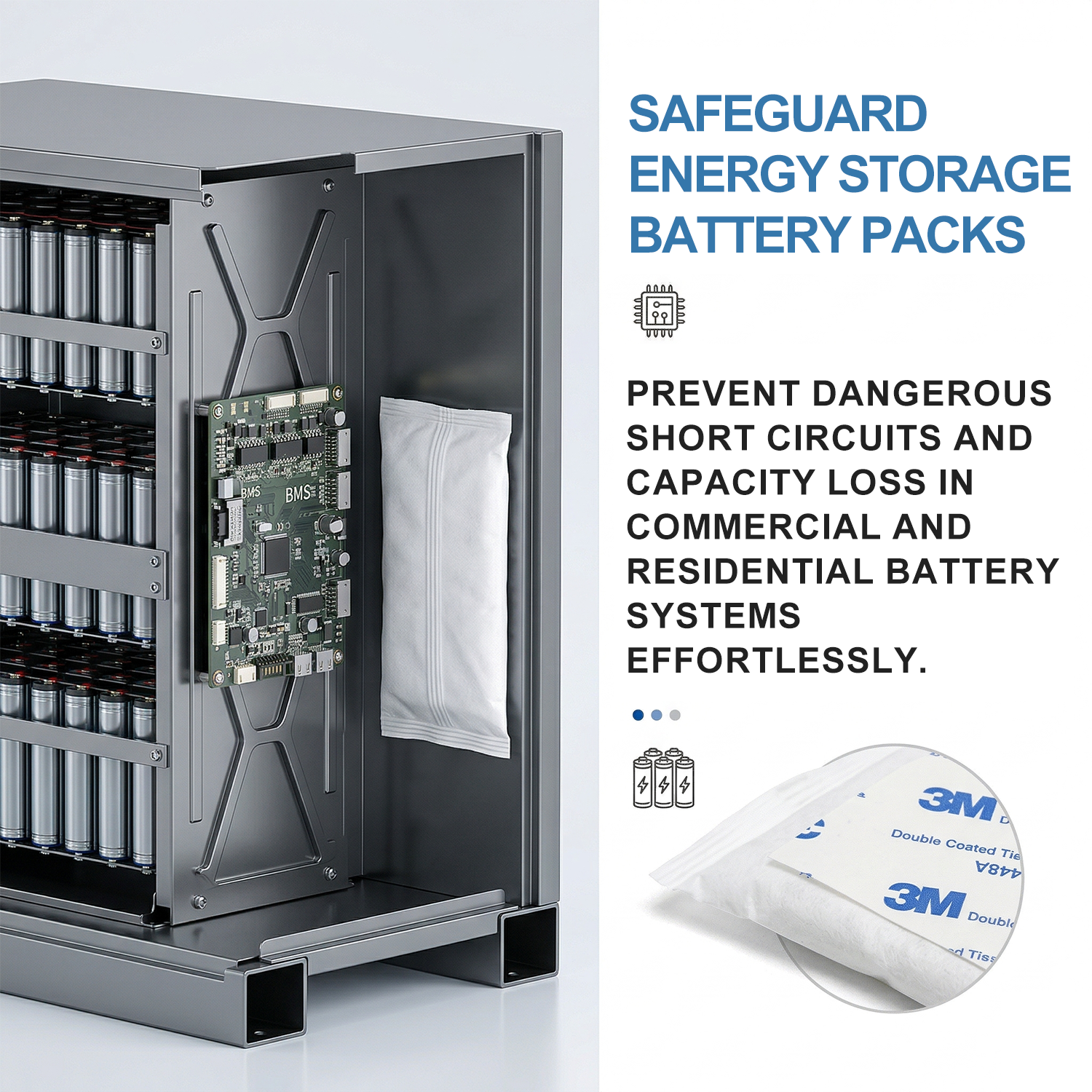
For products deployed in harsh environments, moisture control inside the final enclosure becomes equally critical. Anti-condensation solutions designed for ECU protection, for example, use controlled absorption and buffering to keep relative humidity within safe thresholds throughout the product's operational life. This level of moisture control directly extends mean time between failures and reduces costly service interventions.
Business and Compliance Drivers for Moisture Control Investment
Reliability Standards and Customer Expectations
Electronics manufacturers operating in automotive, aerospace, and industrial sectors face strict reliability specifications that directly reference moisture control performance. Standards governing thermal cycling, humidity exposure, and salt fog resistance all test a product's ability to withstand moisture in realistic deployment conditions. Passing these tests requires that moisture control is designed into the product from the earliest engineering stages, not added as an afterthought during validation.
Customer expectations in these sectors align closely with standardized requirements. OEMs and tier-one suppliers evaluate their component vendors partly on their moisture control capabilities and documented quality processes. Manufacturers who demonstrate strong moisture control competence gain competitive advantages in supplier qualification, contract retention, and premium market positioning.
Cost Reduction and Brand Protection Through Moisture Control
The financial logic behind moisture control investment is straightforward. Warranty costs, product recalls, and field service expenses associated with moisture-related failures far exceed the cost of implementing comprehensive moisture control programs. A single product recall driven by corrosion or condensation damage can eliminate years of margin gains in an affected product line. Proactive moisture control is, therefore, both a quality strategy and a financial risk management tool.
Brand equity in electronics markets depends heavily on reliability reputation. Products that fail due to inadequate moisture control generate negative reviews, reduce customer loyalty, and invite regulatory scrutiny. By contrast, manufacturers known for superior moisture control performance build long-term customer trust and differentiate themselves in markets where product specifications are otherwise comparable. Moisture control is, ultimately, an investment in brand value as much as in product quality.
FAQ
What is the most critical stage for moisture control in electronics manufacturing?
Component storage and pre-soldering handling represent the most critical stages for moisture control. Moisture absorbed by semiconductor packages during storage can cause popcorning during reflow soldering, directly affecting yield. Dry cabinet storage and moisture barrier packaging are the primary moisture control tools used at this stage.
How does moisture control differ between factory environments and deployed products?
In factory environments, moisture control focuses on preventing absorption by components and assemblies during production. For deployed products, moisture control shifts to managing condensation, corrosion, and humidity fluctuations inside sealed enclosures over the product's operational lifetime. Each context requires different moisture control technologies and design approaches.
Can moisture control measures be added after a product design is finalized?
While some moisture control measures such as conformal coatings and desiccant inserts can be applied post-design, the most effective moisture control strategies are integrated during the initial design phase. Enclosure geometry, material selection, sealing methods, and ventilation design all influence moisture control performance in ways that are difficult and costly to retrofit after product finalization.