
 EN
EN
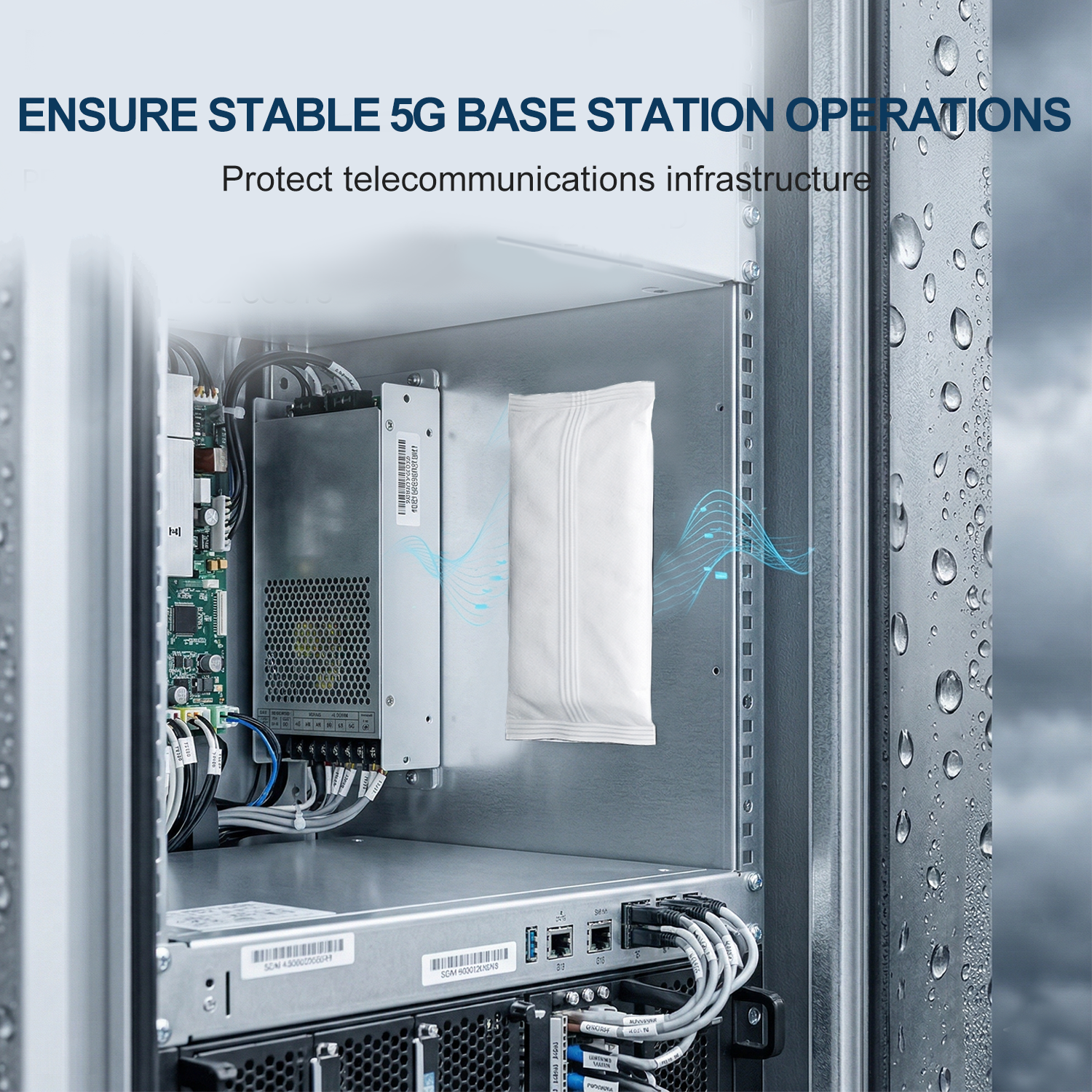
Effective moisture control is one of the most critical challenges facing industrial operators today. Whether managing telecommunications infrastructure, manufacturing equipment, or outdoor enclosures, moisture control determines the long-term reliability of sensitive systems. Without a structured approach to moisture control, condensation, corrosion, and electrical failure become unavoidable risks that cost businesses significant time and money.
Advanced moisture control methods go far beyond simply adding a desiccant packet to an enclosure. Modern industrial moisture control combines engineered materials, environmental monitoring, and application-specific solutions to deliver consistent protection across demanding conditions. Understanding the full range of moisture control strategies helps engineers and facility managers choose the right approach for each unique application, from 5G base stations to industrial control panels.
Core Principles Behind Industrial Moisture Control
Why Moisture Control Matters in Industrial Settings
Industrial environments expose equipment to fluctuating temperatures, humidity cycles, and condensation events that standard consumer-grade protection cannot handle. Moisture control in these contexts must address not only ambient humidity but also the thermal dynamics that cause moisture to migrate into sealed enclosures. When warm, humid air meets a cooler surface, condensation forms instantly, and without proper moisture control, this water accumulates and corrodes circuit boards, connectors, and fiber optic components. The economic impact of poor moisture control includes unplanned downtime, early component replacement, and compromised signal integrity.
Effective moisture control also supports safety. In environments where electrical systems are exposed to water ingress, moisture control directly reduces the risk of short circuits and fire. For operators managing 5G base stations, substations, or outdoor distribution cabinets, moisture control is not optional — it is a foundational engineering requirement that must be addressed from initial design through ongoing maintenance.
The Physics of Moisture Migration and Condensation
Moisture control starts with understanding how moisture moves. Moisture migrates through pressure differentials, temperature gradients, and material permeability. When an enclosure heats up during the day and cools at night, it 'breathes,' drawing in humid air. Effective moisture control interrupts this cycle by either sealing the enclosure completely, absorbing moisture as it enters, or maintaining a stable internal environment. Each moisture control strategy relies on understanding the specific condensation risk profile of the application, including temperature swing magnitude, daily humidity cycles, and the thermal mass of the equipment inside.
Advanced Moisture Control Methods and Technologies
Desiccant-Based Moisture Control Solutions
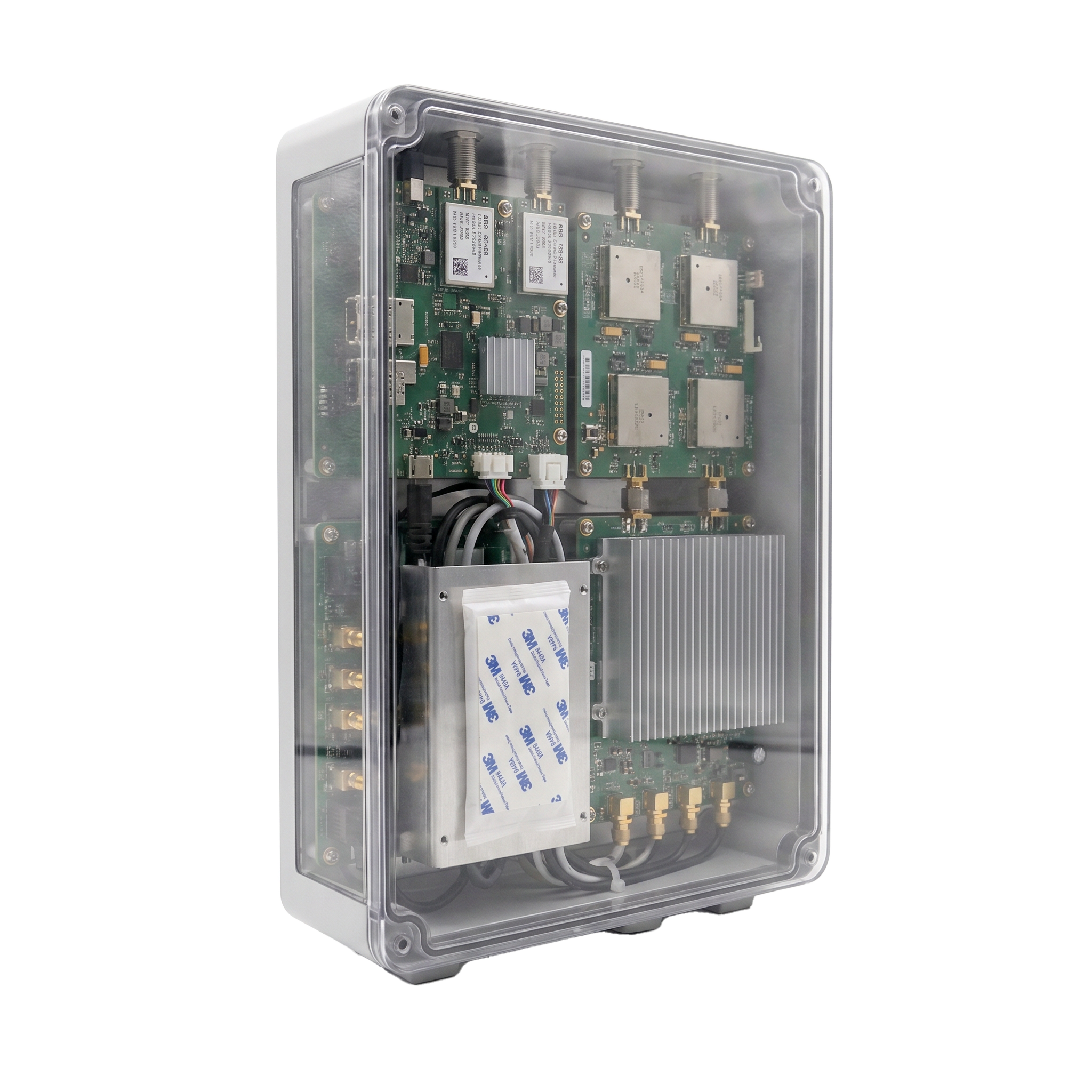
Desiccant absorption remains one of the most reliable moisture control methods available for industrial enclosures. Advanced desiccant moisture control systems use silica gel, molecular sieves, or calcium chloride compounds that actively pull moisture from the enclosed air. Unlike passive sealing, desiccant-based moisture control continues to function even when the enclosure is opened briefly for maintenance, re-adsorbing moisture that enters during access. For 5G base station applications, specialized anti-condensation fiber packs represent a next-generation form of desiccant moisture control designed specifically to protect fiber optic connections from condensation-related damage. These moisture control packs are engineered to deliver consistent performance across wide temperature ranges and extended deployment periods without requiring replacement as frequently as traditional desiccants.
The key advantage of desiccant moisture control is its passive operation. It requires no power, no sensors, and no active management, making it ideal for remote installations where maintenance access is limited. When selecting desiccant moisture control products, engineers should evaluate the saturation capacity, the operating temperature range, and whether the moisture control material can be regenerated or must be replaced after a single use cycle.
Active Moisture Control Through Heating and Ventilation
Active moisture control methods use controlled heating elements or forced ventilation to manage internal humidity levels within enclosures. Low-wattage enclosure heaters prevent condensation by keeping internal surfaces above the dew point, a simple but highly effective moisture control strategy for outdoor cabinets and control panels. Forced ventilation moisture control systems use filtered air exchanges to dilute internal humidity, which works well in environments where outside air is consistently drier than the enclosure interior. However, active moisture control systems require power and periodic maintenance, making them less suitable for remote or off-grid installations compared to passive moisture control alternatives.
Sealed Enclosure and Barrier Moisture Control
Barrier-based moisture control attempts to eliminate moisture ingress entirely through IP-rated sealing, gaskets, and conformal coatings. High IP-rating enclosures offer strong moisture control by preventing external moisture from entering in the first place. Conformal coating adds another layer of moisture control by protecting individual PCBs and connectors directly. However, barrier moisture control alone is rarely sufficient for long-term industrial applications because no seal is perfectly permanent. Over time, gaskets degrade, connectors create entry points, and thermal cycling stresses seals. This is why advanced industrial moisture control strategies typically combine barrier methods with active or passive absorption moisture control to create layered protection.
Moisture Control in 5G Infrastructure and Fiber Applications
Unique Moisture Control Challenges in 5G Base Stations
5G base stations present a particularly demanding moisture control environment. These installations are typically outdoor, exposed to wide daily temperature swings, and contain densely packed fiber optic and RF components that are highly sensitive to condensation. Moisture control failures in 5G infrastructure can degrade signal performance, increase bit error rates, and cause premature hardware failure across entire network segments. The condensation risk is heightened because 5G base stations often operate at elevated temperatures during heavy traffic loads and then cool rapidly after peak periods, creating the thermal cycling that drives moisture ingress. Proper moisture control for 5G base stations must therefore be both robust and maintenance-light, given the distributed and often remote nature of these deployments.
Fiber Pack Solutions for Targeted Moisture Control
Anti-condensation fiber packs are a purpose-engineered moisture control solution designed to address the specific condensation risks found in fiber optic cable entry points and splice closures within 5G base station enclosures. These moisture control components are installed directly at the points of highest condensation risk, providing localized moisture control where it matters most. By using high-capacity absorbent fibers combined with anti-condensation chemistry, these moisture control packs maintain a stable micro-environment around sensitive fiber connections, even during rapid temperature changes. For network operators seeking reliable, low-maintenance moisture control for their 5G deployments, fiber pack solutions offer a compelling combination of performance and simplicity.
FAQ
What is the most effective moisture control method for outdoor industrial enclosures?
The most effective moisture control for outdoor enclosures typically combines desiccant absorption with barrier sealing. Desiccant moisture control handles residual humidity inside the enclosure while high IP-rated seals prevent external water ingress. For 5G base stations, anti-condensation fiber packs add targeted moisture control at critical fiber entry points, creating a complete layered moisture control strategy.
How often should industrial moisture control materials be replaced or serviced?
Service intervals for moisture control materials depend on the type used and the severity of the environment. Standard desiccant moisture control packs in moderate climates may last six to twelve months before saturation. Advanced moisture control fiber packs designed for 5G applications are typically engineered for longer service life, but operators should follow manufacturer guidance and monitor for signs of moisture control degradation such as visible condensation or rising humidity indicator readings.
Can moisture control methods be combined in a single industrial installation?
Yes, layering multiple moisture control methods is widely recommended in advanced industrial applications. Combining barrier moisture control, desiccant moisture control packs, and active heating elements creates redundant protection that significantly reduces condensation risk. For high-value infrastructure such as 5G base stations, a multi-layer moisture control approach ensures that no single point of failure can compromise the entire enclosure, delivering the highest level of long-term moisture control reliability.