
 EN
EN
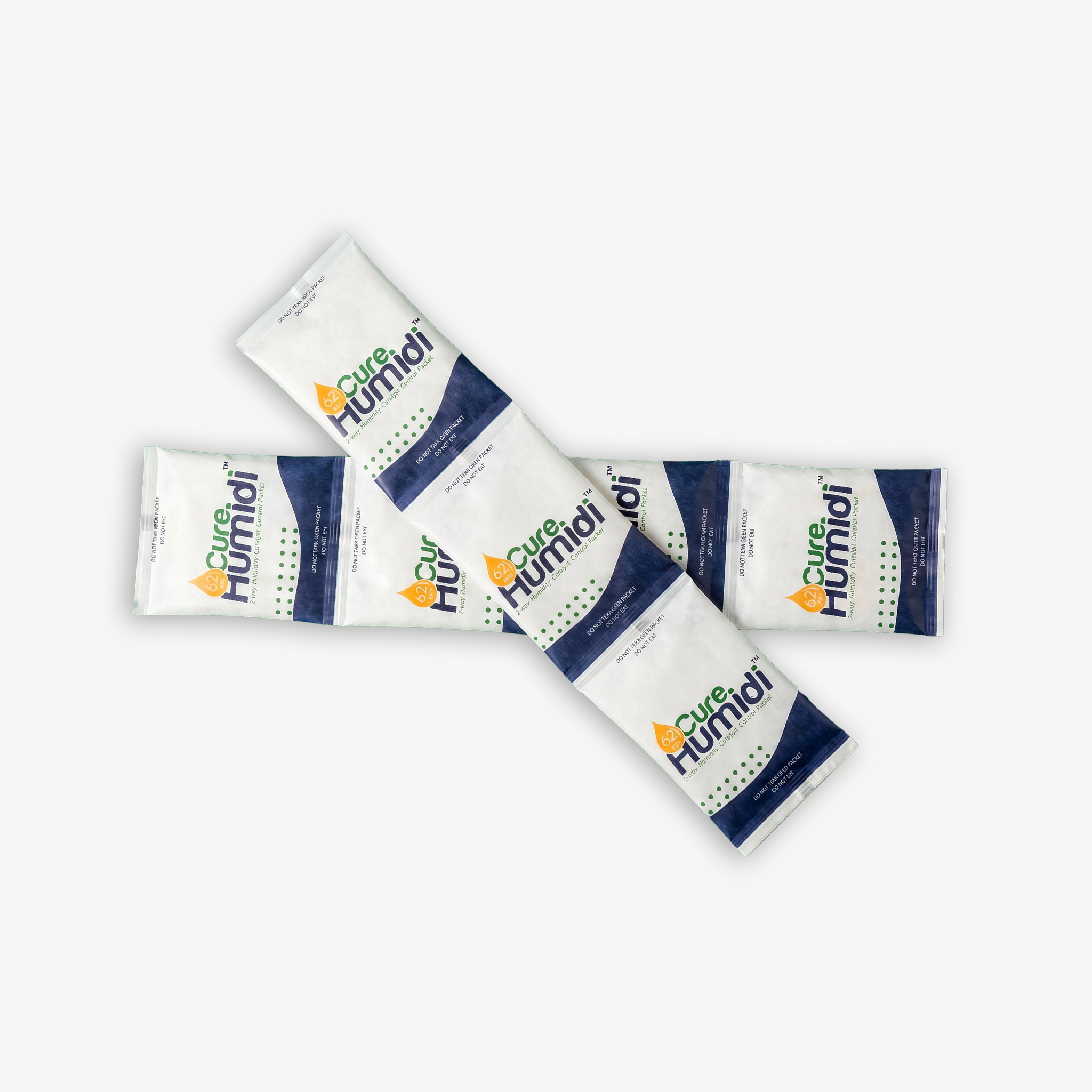
When products move through supply chains, they face a hidden threat that many logistics teams underestimate: humidity. Moisture control is the systematic process of managing humidity levels around goods during storage and transit to prevent degradation, spoilage, and structural damage. Without effective moisture control, even well-packaged products can absorb excess water vapor, leading to mold growth, chemical breakdown, and compromised integrity long before they reach the end customer.
Moisture control during transit is not simply about keeping products dry. It involves a precise understanding of how temperature shifts, air circulation, and packaging materials interact to create or eliminate humidity-related risks. Industries ranging from pharmaceuticals and food processing to electronics and industrial components all depend on reliable moisture control strategies to ensure their products arrive in sellable, safe, and fully functional condition. Understanding how this process works is essential for any business that ships moisture-sensitive goods.
How Humidity Damages Products During Shipping
The Mechanism of Moisture-Driven Degradation
During transit, products are exposed to fluctuating temperatures as vehicles, containers, and warehouses move through different climatic zones. These temperature changes cause the air inside packaging to expand and contract, drawing in ambient moisture through even the smallest gaps. Effective moisture control addresses this dynamic by creating a stable microenvironment around the product that resists these humidity fluctuations. Without moisture control, repeated cycles of moisture absorption and drying cause physical stress on materials, weakening structural bonds in paper, cardboard, and certain polymers.
Moisture control also matters at the chemical level. Many food products, pharmaceutical compounds, and electronic components undergo accelerated chemical reactions when humidity rises above safe thresholds. Oxidation, hydrolysis, and microbial activity all intensify in high-humidity environments. Proper moisture control slows these reactions by maintaining relative humidity below the critical activation point, which directly translates to a longer and more reliable product shelf life.
Transit Conditions That Make Moisture Control Critical
Certain transit routes and shipping methods are particularly challenging from a moisture control perspective. Ocean freight, for instance, exposes containers to maritime air with consistently high relative humidity, often exceeding 80 percent. Temperature differentials between day and night cycles cause condensation to form on container walls and product surfaces. Moisture control strategies such as desiccant placement, vapor barrier packaging, and container lining materials are specifically designed to counteract these conditions. Without these measures, moisture-sensitive goods on long sea voyages can suffer significant damage before customs clearance is even complete.
Practical Moisture Control Methods That Extend Shelf Life
Desiccants and Absorbent Technologies
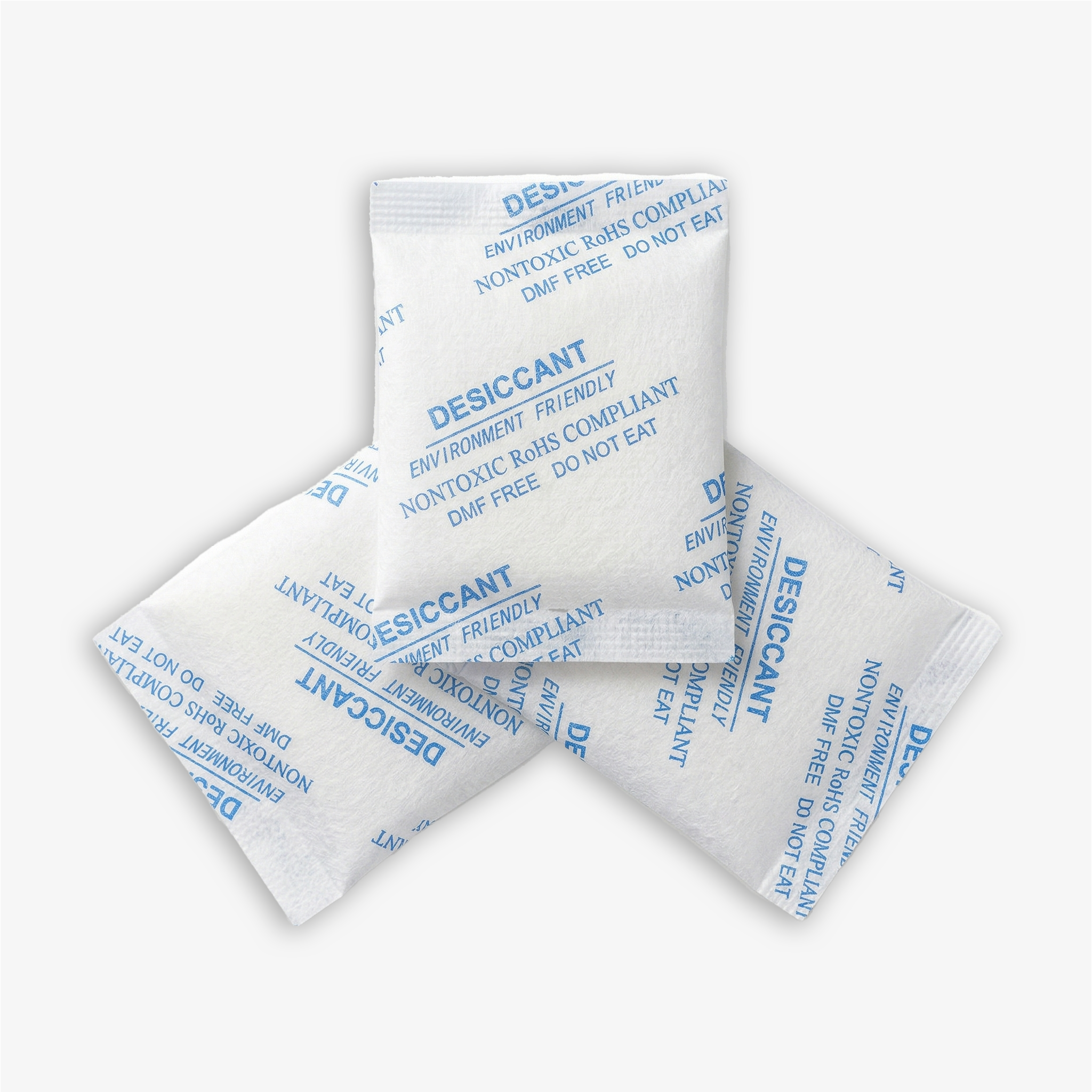
Desiccants are among the most widely used tools in moisture control for transit. Silica gel, calcium chloride, and molecular sieve desiccants are placed inside packaging or shipping containers to actively absorb excess water vapor. The effectiveness of moisture control using desiccants depends on selecting the right type and quantity for the expected humidity load, the duration of transit, and the sensitivity level of the product. For electronics and pharmaceutical goods, moisture control standards often require desiccants that can maintain relative humidity below 40 percent for extended periods.
Advanced moisture control solutions go beyond simple desiccant packets. Indicator cards and humidity-sensing labels allow logistics teams to monitor whether moisture control has been maintained throughout the shipment journey. If these indicators show a breach in moisture control, the receiving party can flag the shipment for inspection before the goods enter inventory or reach consumers. This level of moisture control oversight dramatically reduces the risk of distributing compromised products.
Barrier Packaging and Sealed Environments
Barrier packaging is a foundational element of moisture control in transit. Moisture barrier bags, foil laminates, and hermetically sealed containers create a physical boundary that limits how much humidity can penetrate the packaging. Effective moisture control through barrier packaging requires careful attention to seal integrity, as even a pinhole breach can allow enough moisture ingress to compromise a product over a multi-week transit period. When combined with desiccants inside the sealed environment, barrier packaging creates a layered moisture control system that is significantly more reliable than either method used alone.
For bulk shipments or pallet-level moisture control, shrink-wrap systems and fumigation-free desiccant bags placed between product layers offer practical protection. Moisture control at the pallet level is especially important when products are stacked, since lower layers can be exposed to condensation dripping from temperature-affected outer packaging. Addressing moisture control at every packaging layer ensures that shelf life is protected from the point of origin to the final destination.
Moisture Control Strategy Planning for Supply Chains
Risk Assessment and Product Classification
A well-designed moisture control strategy begins with classifying products by their sensitivity to humidity. Some goods, such as dried herbs or raw grains, tolerate moderate humidity with minimal degradation if moisture control is basic. Others, such as printed circuit boards, hygroscopic powders, or biological reagents, require strict moisture control conditions and may require real-time monitoring. Conducting a moisture sensitivity assessment for every product category allows supply chain managers to allocate moisture control resources proportionally, avoiding both under-protection and unnecessary packaging costs.
Integrating Moisture Control Across the Supply Chain
Moisture control cannot be treated as a single-point intervention. It must be integrated across warehousing, loading, transit, and unloading stages. A moisture control environment in the warehouse must be sustained through proper HVAC management, dehumidification equipment, and staff training on handling moisture-sensitive materials. During loading, moisture control protocols should ensure that packaging is not exposed to rain, high-humidity dock environments, or temperature extremes that could compromise sealing. Throughout the transit journey, moisture control monitoring devices provide continuous data that allows logistics teams to intervene if conditions deteriorate.
Post-transit moisture control is equally important. When goods arrive at a distribution center or retail location, improper storage can quickly undo all the moisture control work done during transit. Receiving teams trained in moisture control best practices inspect packaging integrity, check indicator devices, and ensure that goods are moved promptly into climate-controlled environments. This end-to-end moisture control mindset is what separates supply chains that consistently deliver full-shelf-life products from those that struggle with returns, spoilage claims, and quality complaints.
FAQ
What products benefit most from moisture control during transit?
Products that benefit most from moisture control include electronics, pharmaceuticals, food ingredients, leather goods, metal components, and hygroscopic materials. These categories are highly sensitive to humidity and can experience significant quality loss without active moisture control measures in place throughout the shipping journey.
How do I know if moisture control failed during a shipment?
Signs that moisture control was insufficient include visible condensation inside packaging, color changes on humidity indicator cards, corrosion on metal surfaces, clumping in powder products, or mold growth on organic goods. Using humidity indicator labels inside packaging is the most reliable way to detect moisture control failures before products are distributed.
Can moisture control extend shelf life for all types of goods?
Moisture control extends shelf life for most goods that are sensitive to humidity, but its impact varies by product type. For highly sensitive items like electronics and pharmaceuticals, moisture control can prevent total product loss. For moderately sensitive goods like dried foods or paper products, moisture control slows degradation and maintains quality standards over longer transit periods.