
 EN
EN
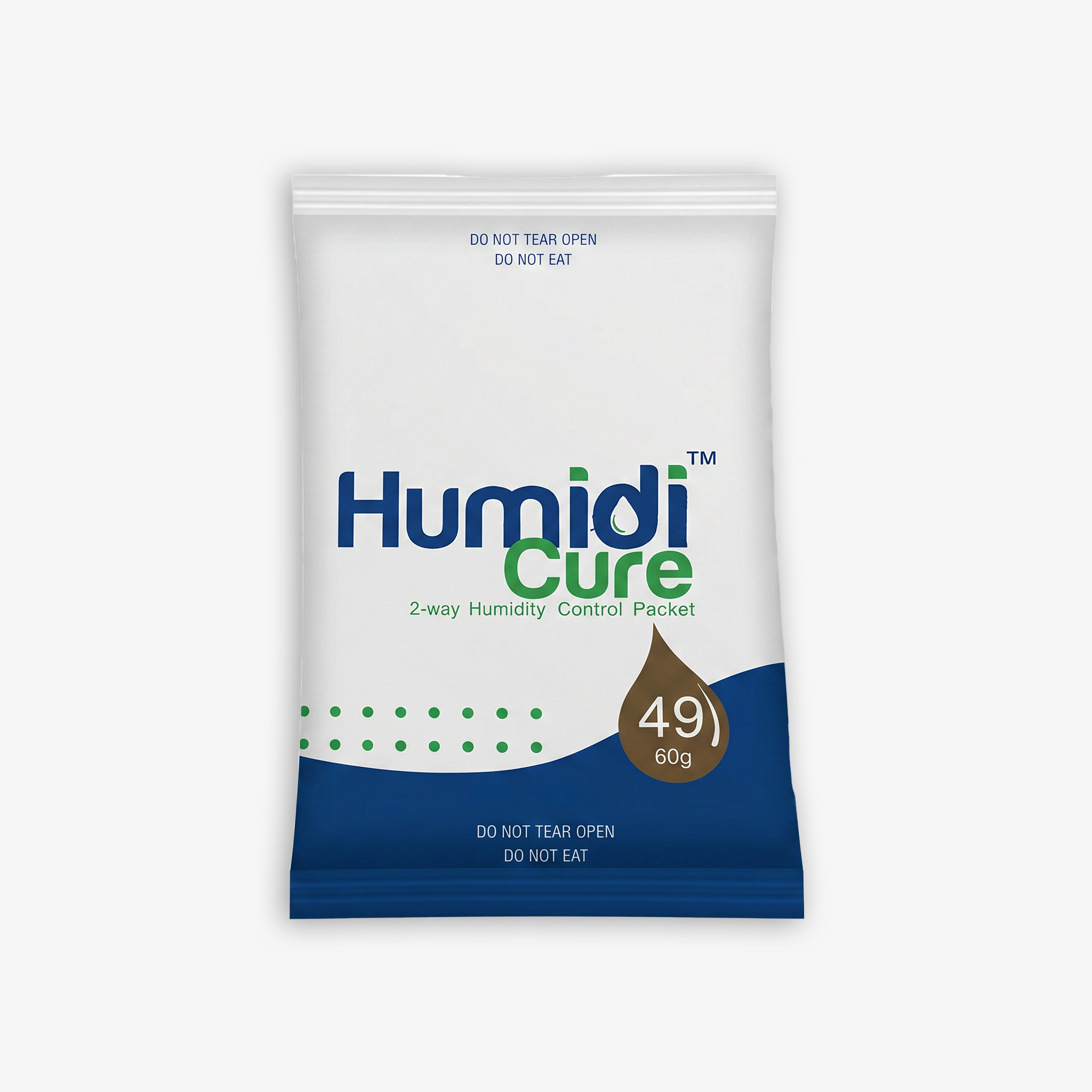
Effective moisture control in logistics has become one of the most critical priorities for supply chain managers operating across diverse climates and transportation modes. As global trade routes grow longer and more complex, cargo is exposed to humidity fluctuations, condensation cycles, and temperature swings that can silently degrade product quality. Understanding which technologies now underpin moisture control in logistics is essential for any business shipping sensitive goods, whether electronics, pharmaceuticals, food products, or industrial components.
Moisture control in logistics is no longer a passive or reactive practice. Modern supply chains depend on a layered combination of sensing, material science, data analytics, and packaging innovation to maintain product integrity from origin to destination. This article examines the four major technological pillars that drive moisture control in logistics today, explaining how each works, where it applies, and why it matters for operational decision-making.
Smart Sensor and IoT Monitoring Systems
Real-Time Humidity Tracking Across the Chain
The foundation of contemporary moisture control in logistics is the ability to monitor conditions continuously and remotely. IoT-enabled humidity and temperature sensors placed inside containers, pallets, and warehouses now generate real-time data streams that logistics operators can access from any location. These devices measure relative humidity at intervals as short as one minute, flagging excursions before they cause irreversible product damage. Moisture control in logistics becomes far more proactive when operators receive instant alerts the moment conditions drift outside safe parameters.
Modern sensor networks support moisture control in logistics by creating complete environmental records for every shipment leg. This data serves multiple purposes: it enables rapid corrective action during transit, supports quality assurance documentation, and provides evidence in insurance or compliance disputes. For pharmaceutical and food-grade shipments especially, continuous sensor monitoring has become a regulatory expectation, making it a non-negotiable element of moisture control in logistics programs.
Cloud-Based Analytics and Predictive Modeling
Beyond raw sensing, cloud platforms aggregate humidity data across entire logistics networks to identify risk patterns. Machine learning models trained on historical shipment records can predict where moisture control in logistics is most likely to fail — for example, during port dwell times in tropical climates or inside refrigerated vehicles experiencing door-open cycles. This predictive layer transforms moisture control in logistics from a reactive discipline into a genuinely strategic one, allowing procurement and routing decisions to factor in environmental risk before cargo ever moves.
Advanced Desiccant and Absorbent Technologies
High-Performance Desiccants for Container and Packaging Use
Desiccants remain one of the most widely applied tools in moisture control in logistics, but the technology has evolved far beyond simple silica gel packets. Modern logistics desiccants include clay-based, calcium chloride, and molecular sieve formulations, each calibrated to absorb specific moisture loads across defined temperature ranges. Calcium chloride strip desiccants used for container-level moisture control in logistics can absorb several times their own weight in water, preventing the 'container rain' condensation that routinely damages goods on long ocean voyages. Selecting the right desiccant type and dosage is a precise science within moisture control in logistics, requiring calculation of container volume, cargo hygroscopicity, and expected voyage humidity.
Indicator desiccants add another dimension to moisture control in logistics by changing color when saturation is reached, providing instant visual confirmation that protective capacity has been exhausted. This feature is particularly valuable in warehouse environments where moisture control in logistics must be managed across large inventories without continuous electronic monitoring. Combining indicator desiccants with scheduled inspection protocols gives logistics teams a low-cost, reliable backup layer within a broader moisture control in logistics strategy.
Active Humidity Control Units for Warehousing
For storage-intensive nodes in the supply chain, active dehumidification systems deliver moisture control in logistics at an infrastructural level. Industrial desiccant dehumidifiers circulate air across rotating desiccant wheels to draw moisture from warehouse environments continuously, maintaining relative humidity within tight tolerances regardless of external weather conditions. Moisture control in logistics at the warehouse stage is especially important for goods awaiting onward shipment, as extended dwell times in poorly controlled environments can cause more damage than the transit itself. Active systems can be integrated with building management platforms to automate moisture control in logistics responses based on real-time indoor and outdoor humidity readings.
Barrier Packaging and Material Engineering
Moisture-Barrier Films and Vacuum Sealing
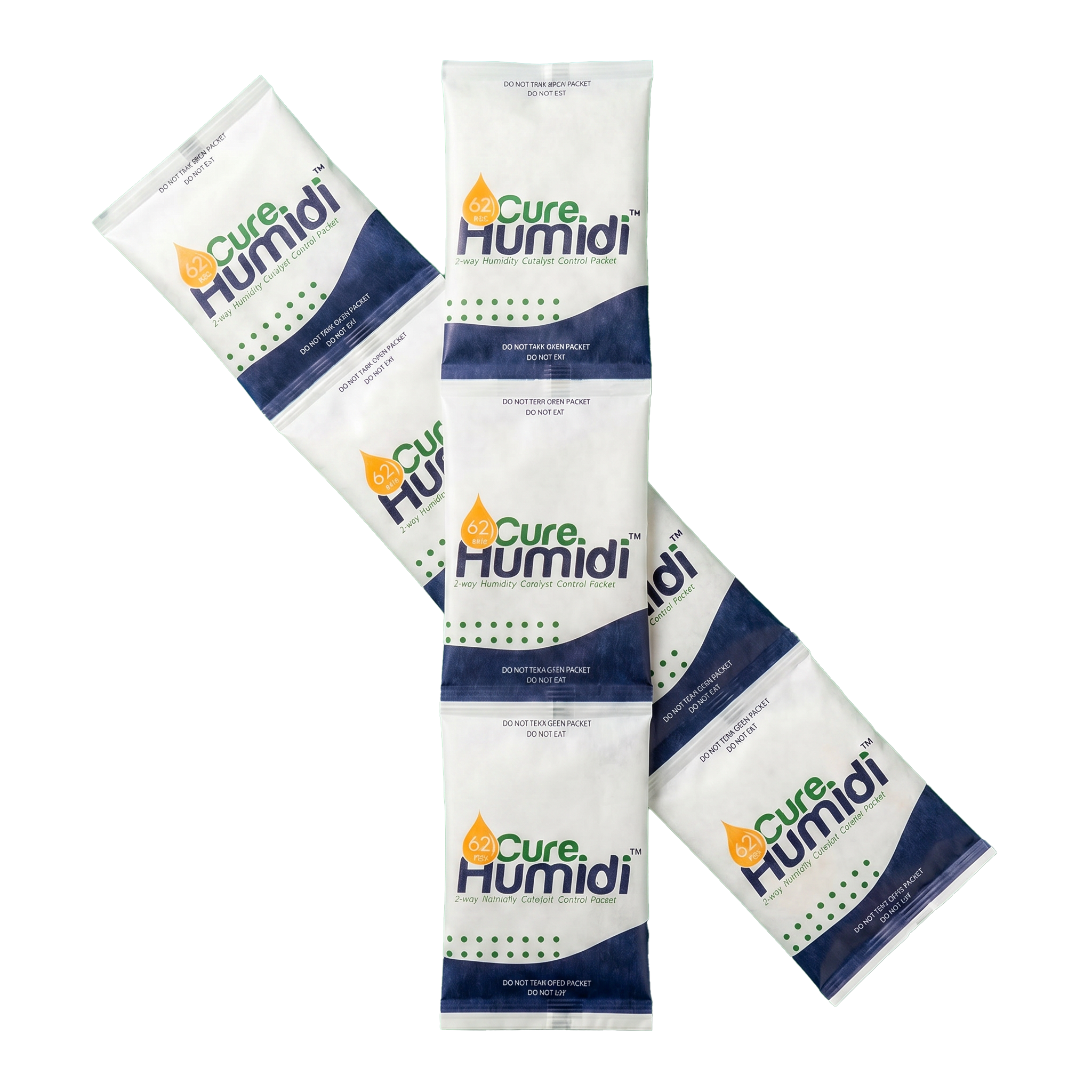
Packaging engineering plays a defining role in moisture control in logistics by creating a physical barrier between cargo and the surrounding atmosphere. High-barrier films using materials such as ethylene vinyl alcohol copolymer and metallized layers dramatically reduce moisture vapor transmission rates, extending the protective window for sensitive goods during transport. Moisture control in logistics at the packaging level is often the last line of defense when environmental conditions during transit exceed planned parameters. Vacuum-sealed packaging removes residual moisture from the interior environment entirely, giving moisture control in logistics an additional buffer that desiccants and sensors alone cannot provide.
Flexible moisture barrier bags designed for pallet wrapping have expanded moisture control in logistics into large-format applications, enabling entire pallet loads to be sealed in low-permeability enclosures. This approach integrates seamlessly with desiccant placement inside the sealed environment, combining barrier and absorption technologies into a single moisture control in logistics solution. For electronics, automotive parts, and precision instruments, this layered packaging approach has become standard practice in moisture control in logistics globally.
Humidity Indicator Cards and Smart Labels
Humidity indicator cards inserted into sealed packages serve as passive, cost-effective tools for moisture control in logistics verification. At the point of receipt, handlers can immediately assess whether humidity thresholds were breached during transit without requiring electronic data retrieval. Smart labels incorporating printed electronics now extend this capability, enabling moisture control in logistics audits that are both rapid and accurate. These labels are particularly valuable for distributed logistics networks where centralized monitoring infrastructure may be inconsistent.
FAQ
Why is moisture control in logistics important for electronics shipments?
Electronics are highly sensitive to humidity because moisture causes oxidation on circuit boards, short circuits, and corrosion of connectors. Moisture control in logistics protects electronic components from these failure modes throughout every stage of the supply chain, from factory packaging to final delivery.
How do I choose the right desiccant for moisture control in logistics?
Choosing the right desiccant for moisture control in logistics depends on container volume, cargo type, voyage length, and expected humidity exposure. Calcium chloride products suit high-humidity ocean routes, while silica gel and molecular sieves work better in lower-humidity or precision applications. Consulting a moisture control in logistics specialist ensures correct dosage and product selection.
Can moisture control in logistics be automated?
Yes, moisture control in logistics can be substantially automated using IoT sensors, cloud analytics, and automated dehumidification systems. These technologies allow continuous monitoring, instant alerts, and even automatic corrective actions, reducing reliance on manual inspection and improving the overall reliability of moisture control in logistics programs.