
 EN
EN

Condensation is one of the most damaging moisture-related phenomena in storage and transportation environments. When warm, humid air contacts a cooler surface, water vapor converts into liquid droplets that settle on packaging, metal parts, electronics, and sensitive goods. Understanding what triggers condensation is the first step toward prevention, and using a reliable solution like packed fiber desiccant can make a decisive difference in protecting cargo integrity throughout the supply chain.
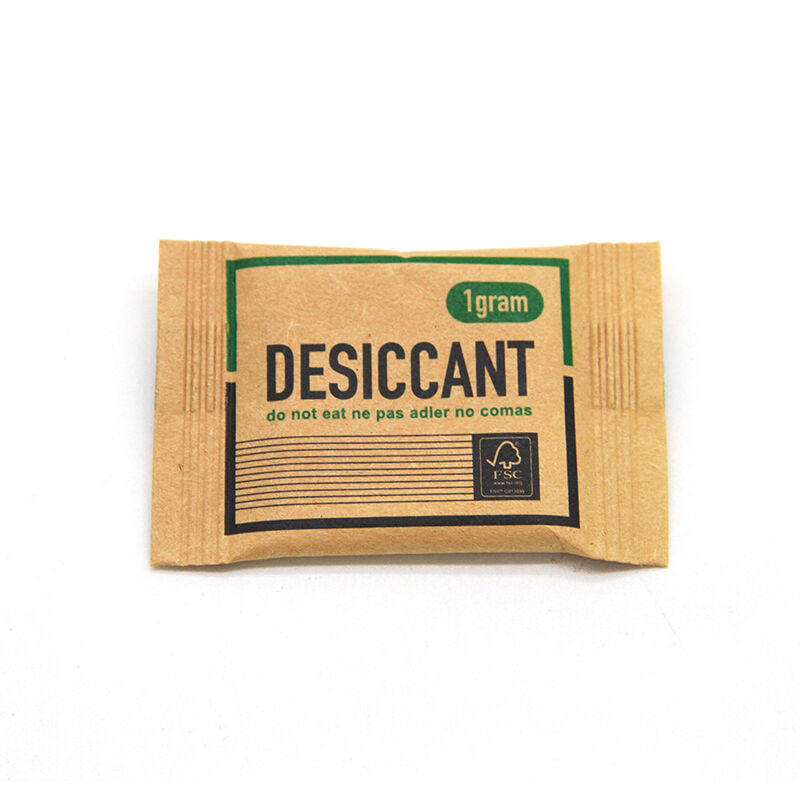
Packed fiber desiccant is widely adopted across industries because it addresses the root humidity conditions that lead to condensation. Rather than simply absorbing surface moisture after damage occurs, packed fiber desiccant works proactively by maintaining low relative humidity inside sealed containers, packaging units, and transport vessels. This article explores the primary causes of condensation and explains why packed fiber desiccant is such an effective and trusted tool in moisture management.
Temperature Fluctuations and the Dew Point Effect
How Temperature Changes Create Condensation
The most fundamental cause of condensation is rapid or repeated temperature change. When the temperature inside a container or storage unit drops below the dew point of the enclosed air, moisture condenses on cool surfaces. This is precisely why packed fiber desiccant is essential in cold-chain logistics, maritime shipping, and warehouse environments where temperatures shift between day and night cycles. Without packed fiber desiccant, even moderate humidity levels can produce visible condensation during these thermal transitions.
In transportation, cargo moves through multiple climate zones. A shipment that departs from a warm coastal port and arrives at a cold inland facility will experience significant dew point fluctuations along the route. Packed fiber desiccant absorbs the excess moisture in the air before it has a chance to condense, keeping internal humidity stable. The consistent performance of packed fiber desiccant across wide temperature ranges makes it especially suitable for cross-regional freight and long-haul distribution.
The Role of Thermal Bridging in Enclosed Spaces
Thermal bridging occurs when part of a container wall, pallet, or structure conducts heat or cold more rapidly than surrounding materials, creating localized cool zones where condensation forms. Packed fiber desiccant is placed strategically inside containers to counteract this effect by reducing the available moisture in the air. When packed fiber desiccant is deployed at multiple points within the enclosed space, it lowers the overall humidity level uniformly, minimizing the risk of localized condensation on structural surfaces and packaging materials.
Moisture Sources Inside Storage and Transit Environments
Residual Moisture in Packaging and Cargo
Many condensation problems do not originate from the external environment alone. Moisture is often trapped inside the packaging itself during manufacturing or loading. Wood pallets, cardboard boxes, and textile-wrapped products all carry residual moisture that slowly releases into the enclosed space over time. Packed fiber desiccant is specifically designed to capture this slowly emitted moisture before it accumulates and triggers condensation. Regular use of packed fiber desiccant during packing operations reduces the baseline humidity that cargo brings into a shipping container.
Industrial goods such as machinery components, coated metal parts, and electronic assemblies are particularly vulnerable to moisture released from companion packing materials. Packed fiber desiccant placed inside individual product packaging or master cartons absorbs this internal moisture consistently. The high absorption capacity of packed fiber desiccant means it continues working throughout extended transit periods, which may span weeks or even months in international shipping scenarios.
Ventilation Gaps and Moisture Ingress
Even well-sealed containers are not entirely immune to moisture ingress. Microscopic gaps around door seals, vent holes, and loading openings allow outside humid air to enter the storage space. In coastal or tropical regions, this can introduce extremely high-humidity air that dramatically raises the condensation risk. Packed fiber desiccant serves as the critical barrier in such cases. Once packed fiber desiccant is placed inside the container, it immediately begins drawing moisture from the air, reducing relative humidity before condensation can form on sensitive surfaces.
Humidity Accumulation During Long-Term Storage
Static Storage Conditions and Gradual Moisture Buildup
Long-term storage presents unique condensation risks because humidity builds up gradually within a sealed environment. Unlike active transportation where temperature changes are frequent and dramatic, static storage conditions allow humidity to accumulate slowly and silently. Packed fiber desiccant is an ideal solution for warehousing applications because it continues absorbing moisture over extended periods without requiring replacement as frequently as silica gel alternatives. The fiber structure of packed fiber desiccant maintains high absorption performance even as it approaches capacity, ensuring stable humidity control across months of storage.
Seasonal changes also contribute to humidity accumulation in warehouses. During rainy seasons or periods of high ambient humidity, the air entering the storage space carries far more moisture than during dry periods. Packed fiber desiccant helps offset this seasonal variation by increasing its moisture absorption activity proportionally as humidity rises. This self-regulating characteristic of packed fiber desiccant makes it a reliable choice for year-round humidity management in both climate-controlled and non-climate-controlled facilities.
Product-Specific Condensation Risks in Storage
Different product categories carry different condensation risks during storage. Pharmaceutical products, food ingredients, precision electronics, and leather goods are all highly sensitive to moisture. Packed fiber desiccant is used across these industries because it provides consistent and non-corrosive moisture control without releasing dust or particles that could contaminate the stored goods. The clean, enclosed structure of packed fiber desiccant ensures that the absorbed moisture remains locked inside the desiccant material rather than being re-released when conditions change.
FAQ
Why is packed fiber desiccant preferred over silica gel in shipping containers?
Packed fiber desiccant offers higher moisture absorption capacity and performs effectively across a wider temperature range than standard silica gel products. For long-duration shipping where conditions vary significantly, packed fiber desiccant provides more reliable humidity control. Its fiber composition also prevents leakage, making packed fiber desiccant safer for use around sensitive goods and food-grade packaging.
How many units of packed fiber desiccant are needed for a standard container?
The quantity of packed fiber desiccant required depends on the container volume, the moisture content of the cargo, and the expected transit duration and climate conditions. As a general guideline, packed fiber desiccant placement follows a calculated approach based on container size and cargo type. Consulting a packed fiber desiccant supplier or moisture control specialist can help determine the correct quantity for specific shipping scenarios.
Can packed fiber desiccant be used in both storage and active transit?
Yes, packed fiber desiccant is effective in both static storage and active transportation environments. Its durability and sustained absorption performance mean packed fiber desiccant does not need to be replaced during most standard shipment periods. Whether the cargo is sitting in a warehouse or moving through multiple climate zones on a vessel or truck, packed fiber desiccant continuously manages humidity and prevents the condensation conditions described throughout this article.