
 EN
EN
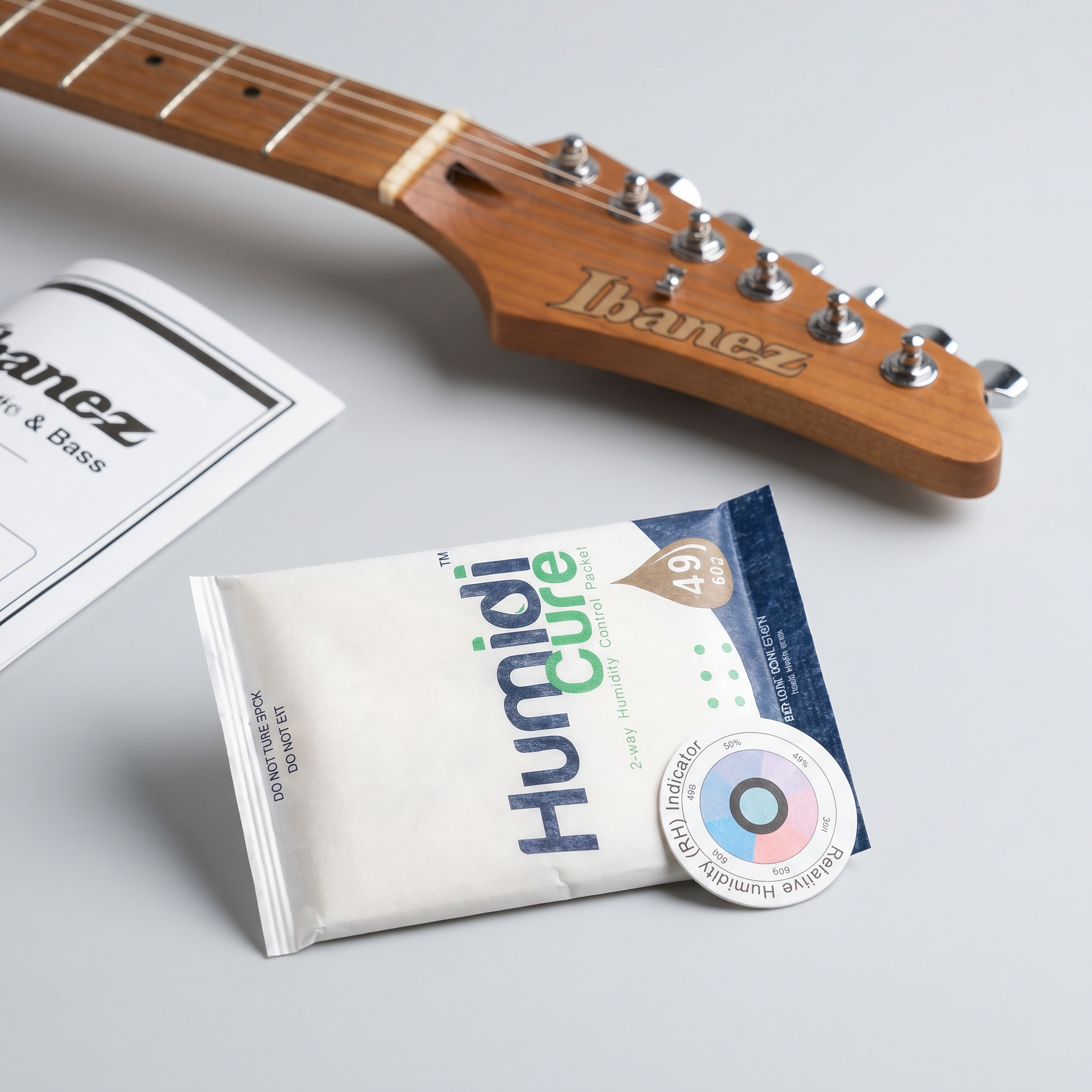
When it comes to protecting sensitive products during storage, two way humidity control has become a widely trusted solution in industrial and consumer storage environments. Unlike passive desiccants that only absorb moisture, two way humidity control works in both directions — adding moisture when conditions are too dry and absorbing moisture when the environment is too humid. This dual function is what makes it uniquely effective at preventing both over drying and excess moisture damage.
Many industries rely on two way humidity control to maintain a precise relative humidity (RH) range inside sealed containers, packaging, or storage spaces. From premium tobacco and cannabis to musical instruments, food products, and industrial components, two way humidity control delivers a consistent microclimate. This article explains exactly how the mechanism works and why it succeeds where one-directional moisture management methods fall short.
The Mechanism Behind Two Way Humidity Control
How It Responds to Low Humidity
Two way humidity control uses a specially formulated buffer material that holds a calculated amount of water at a specific RH set point. When the surrounding air becomes too dry — meaning the RH drops below the target level — two way humidity control releases stored moisture vapor into the environment. This release is passive and automatic, requiring no electricity or monitoring. The result is that your products are protected from the damaging effects of over drying, such as cracking, brittleness, shrinkage, or loss of aroma compounds.
The precision of two way humidity control in releasing moisture is governed by the equilibrium principle. The buffer material releases water molecules only until the surrounding air reaches the target RH, then it stops. This self-regulating property is central to why two way humidity control is preferred over simple humidifiers or gel-based moisture packs that can overshoot the target and cause condensation.
How It Responds to Excess Moisture
On the other side of the equation, two way humidity control absorbs excess humidity when the air inside a container becomes too wet. If moisture levels rise above the target RH — due to temperature changes, product off-gassing, or an unsealed container — two way humidity control draws that excess water vapor into its buffer matrix. This prevents mold growth, oxidation, surface condensation, and microbial activity. The absorbing function of two way humidity control is just as important as its releasing function, because over-humidification can be as destructive as over drying.
Why Dual-Direction Control Matters for Storage Quality
Limitations of One-Way Moisture Management
Traditional desiccants, such as silica gel, are designed only to absorb moisture. They have no mechanism to restore humidity if the storage environment becomes too dry. This creates a real risk: a tightly sealed container with only a desiccant can strip all moisture from the air and damage products that require a minimum humidity level to stay stable. Two way humidity control solves this by ensuring that neither extreme — too dry or too wet — can persist inside the storage space. It creates a stabilized humidity band, not just a moisture-free zone.
Similarly, passive humidifiers or water-based sponge systems can only add moisture but cannot absorb surplus humidity. Two way humidity control is the only approach that manages both risks simultaneously. For businesses or individuals storing moisture-sensitive goods over long periods, two way humidity control eliminates the guesswork and the need to constantly monitor and manually adjust conditions.
Real-World Applications of Two Way Humidity Control
Two way humidity control is used across a wide range of storage scenarios. In the tobacco and cigar industry, two way humidity control maintains the ideal 65–70% RH range that preserves leaf texture, flavor, and burn quality. In cannabis storage, two way humidity control is used to prevent terpene loss from over drying while also guarding against mold at 58–62% RH. Instrument makers and musicians depend on two way humidity control to protect wood-bodied guitars and violins from cracking in low-humidity environments. Archivists and collectors use two way humidity control to protect documents, leather goods, and film from both extreme dryness and dampness.
In industrial packaging, two way humidity control protects precision components, circuit boards, and specialty chemicals during transit and warehouse storage. The versatility of two way humidity control across these different contexts is a direct result of its bidirectional mechanism — it adapts to whatever the environment demands rather than applying a fixed response.

Choosing and Using Two Way Humidity Control Effectively
Selecting the Right RH Level and Pack Size
Two way humidity control packs are available at various target RH levels — commonly 30%, 45%, 58%, 62%, 65%, 69%, 72%, and 80% — to match the requirements of specific products. Choosing the correct RH set point is critical. If you store cigars but use a two way humidity control pack calibrated for 30% RH, you will over dry the product. Matching the two way humidity control pack to your product's known optimal RH range ensures that the buffer works precisely as intended.
Pack size also matters. Two way humidity control packs are rated by weight (such as 15g, 60g, 320g) and by the volume of air they can stabilize. Using an undersized two way humidity control pack in a large container will reduce effectiveness. Most manufacturers provide guidelines linking container volume to the appropriate pack size for two way humidity control, and following these recommendations ensures optimal performance.
When to Replace Two Way Humidity Control Packs
Two way humidity control packs have a finite working life. As the buffer material becomes fully saturated or fully depleted — depending on the dominant environmental condition — it loses its ability to regulate further. Many two way humidity control packs include an indicator that signals when replacement is needed. Regularly checking the status of two way humidity control and replacing exhausted packs ensures continuous protection. In high-activity storage environments, two way humidity control packs may need replacement every two to four months.
FAQ
What makes two way humidity control different from a standard desiccant?
A standard desiccant only removes moisture from the air. Two way humidity control both adds and removes moisture as needed, maintaining a stable target RH level rather than simply drying the environment. This makes two way humidity control far more suitable for products that need a specific humidity range to stay in optimal condition.
Can two way humidity control be used in non-sealed containers?
Two way humidity control performs best in sealed or semi-sealed environments where it can maintain a stable microclimate. In open or highly ventilated spaces, the pack will work harder and exhaust faster because it must continuously compensate for changing external air. For the most effective results, use two way humidity control in airtight or lightly sealed containers.
How do I know which RH level of two way humidity control to choose?
The right RH level for two way humidity control depends entirely on the product you are storing. Research the optimal humidity range for your specific product — cigars typically need 65–72%, cannabis needs 58–62%, and wooden instruments often need 45–55%. Then select a two way humidity control pack calibrated to that target RH to ensure your storage environment stays within the ideal range.