
 EN
EN

Condensation in shipping containers is one of the most damaging and frequently overlooked threats to cargo integrity worldwide. When warm, moisture-laden air meets cold container walls, water droplets form and fall onto goods, causing mold, rust, and product loss. Understanding how to prevent condensation in shipping containers is essential for logistics operators, exporters, and manufacturers who rely on consistent product quality upon arrival.
Effectively managing condensation in shipping containers requires a combination of smart packing practices, moisture-absorbing materials, and structural awareness. No single solution eliminates the risk entirely, but layering multiple strategies dramatically reduces the likelihood of moisture damage. This article outlines the most practical and proven approaches to controlling condensation in shipping containers across various cargo types and transit conditions.
Why Condensation in Shipping Containers Occurs
The Core Mechanism Behind Container Moisture
Condensation in shipping containers forms when the dew point inside the container is reached. As ambient temperatures drop — typically at night or when passing through cold maritime zones — the air inside can no longer hold its moisture content, causing water vapor to condense on surfaces. This cycle repeats daily during long voyages, making condensation in shipping containers a cumulative and serious risk.
The steel walls of a container are highly conductive, meaning they respond rapidly to external temperature changes. This rapid thermal response accelerates condensation in shipping containers because the wall temperature often drops below the dew point before cargo-level temperatures stabilize. Recognizing this mechanism is the first step toward choosing the right preventive measures.
Common Cargo and Climate Triggers
Certain cargoes are particularly vulnerable to condensation in shipping containers. Hygroscopic goods such as coffee, cocoa, timber, textiles, and electronics release or absorb ambient moisture, which intensifies the problem. Routes crossing multiple climate zones — such as tropical-to-temperate or temperate-to-cold transitions — are the highest-risk scenarios for condensation in shipping containers because the temperature swings are more dramatic and more frequent.
Proven Methods to Prevent Condensation in Shipping Containers
Desiccant Packs and Moisture Absorbers
One of the most widely used strategies to reduce condensation in shipping containers is placing desiccant packs or moisture-absorbing products inside the container before sealing. Desiccants such as calcium chloride or silica gel actively pull moisture from the air, lowering the relative humidity and reducing the risk of condensation in shipping containers forming on walls and cargo surfaces. For best results, desiccants should be distributed evenly throughout the container, placed near moisture sources, and sized according to cargo volume and voyage duration.
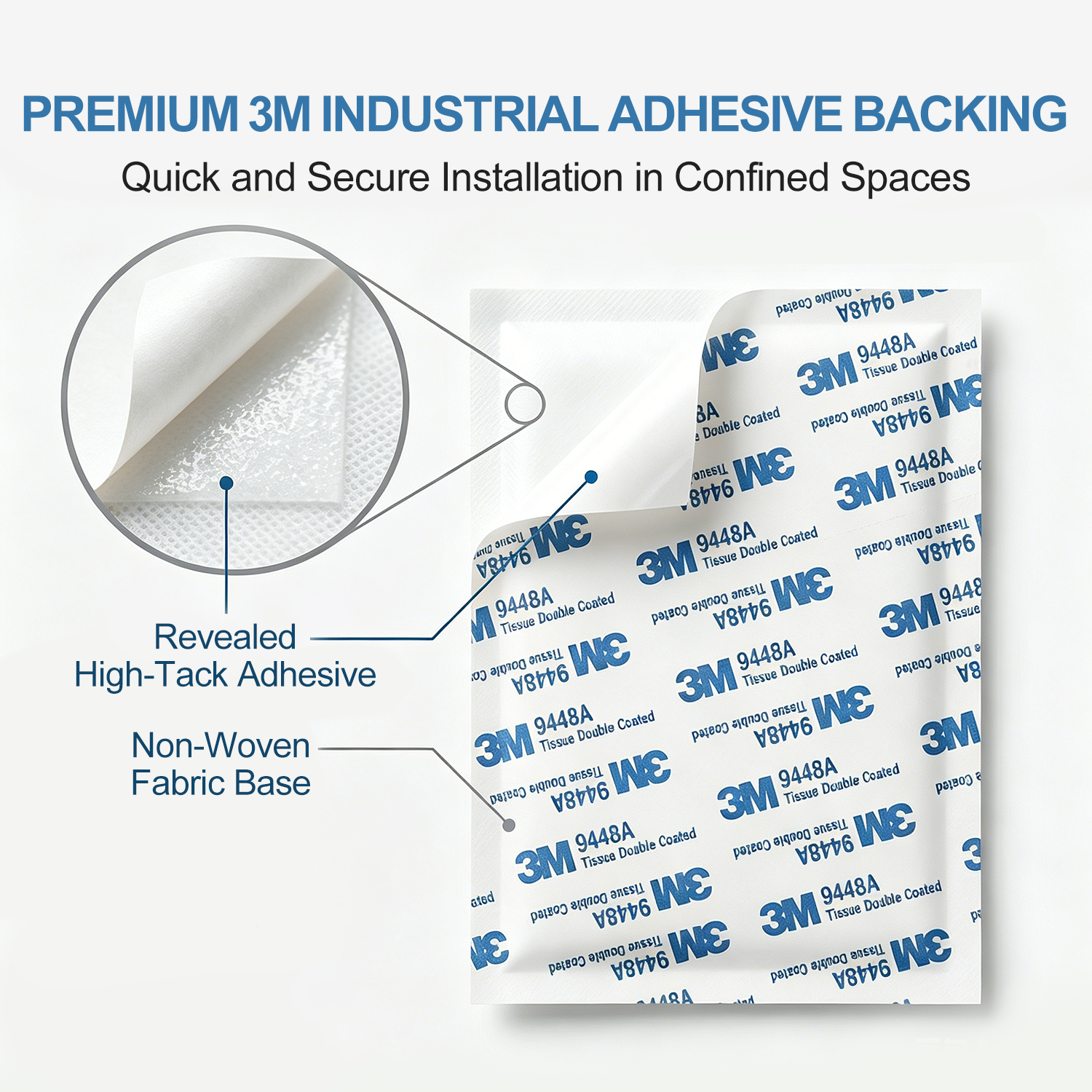
Fiber-based anti-condensation packs offer a more advanced solution for managing condensation in shipping containers. These products are engineered to absorb large volumes of moisture without leaking, making them particularly effective for sensitive cargo. Fiber packs designed for enclosed environments, such as the condensation in shipping containers protection context, demonstrate how advanced materials science now delivers targeted moisture control for even the most demanding applications.
Proper Cargo Packing and Airflow Management
How goods are loaded directly influences condensation in shipping containers. Cargo packed tightly against the walls traps air and creates micro-environments where moisture accumulates rapidly. Leaving a gap of at least five centimeters between cargo and container walls improves air circulation and reduces the severity of condensation in shipping containers by preventing hot spots and cold spots from concentrating moisture.
Using pallets and load spacers elevates goods above the floor, which is another common zone for condensation in shipping containers. Floors absorb ground-level temperature changes quickly, and pooling moisture from floor condensation in shipping containers can wick upward into carton bases and packaging materials. Elevating cargo and using moisture-barrier liners on the floor are both effective countermeasures.
Container Inspection and Pre-Loading Preparation
Preventing condensation in shipping containers starts before the first item is loaded. Inspecting the container for existing moisture, damaged seals, or ventilation blockages is a critical pre-loading step. Containers with broken or corroded vent covers allow uncontrolled humid air exchange, which worsens condensation in shipping containers significantly during overnight temperature drops.
Drying the container interior before loading, particularly after rain or when the container has been sitting in a humid yard, reduces the baseline moisture level. Starting with a dry environment lowers the initial humidity inside, which means condensation in shipping containers is slower to develop even when temperatures fluctuate. Combining container inspection with desiccant placement is a reliable foundation for any moisture prevention plan.
Long-Term Strategies and Structural Solutions
Insulated and Ventilated Container Options
For cargo that regularly faces condensation in shipping containers, investing in insulated or ventilated container types offers a structural advantage. Insulated containers reduce the speed at which wall temperatures drop, which delays the formation of condensation in shipping containers during cold spells. Ventilated containers allow controlled air exchange, preventing the buildup of saturated air that drives condensation in shipping containers on long ocean routes.
Monitoring Humidity During Transit
Real-time humidity monitoring inside containers has become a practical tool for managing condensation in shipping containers on high-value shipments. Data loggers and IoT-enabled sensors record temperature and relative humidity continuously, allowing logistics teams to identify patterns and refine packing strategies. When monitoring reveals that condensation in shipping containers consistently occurs on a particular route, targeted adjustments — such as adding more desiccant or switching to insulated containers — can be made based on real evidence rather than guesswork.
Combining physical controls with data-driven oversight creates a comprehensive framework for preventing condensation in shipping containers at scale. As supply chain complexity increases and cargo values rise, proactive moisture management becomes a competitive advantage rather than just a protective measure.
FAQ
What causes condensation in shipping containers during transit?
Condensation in shipping containers is caused by temperature fluctuations that lower the air temperature inside the container below its dew point. This causes water vapor to condense on cold steel walls and cargo surfaces. Humid cargo, poor ventilation, and multi-climate routes all worsen condensation in shipping containers.
How many desiccant packs are needed to prevent condensation in shipping containers?
The number of desiccant packs needed to prevent condensation in shipping containers depends on cargo volume, moisture content of the goods, and voyage length. A standard 20-foot container on a moderate-length voyage typically requires between four and eight large desiccant units. For high-risk cargo or long routes, increasing the quantity and using fiber-based packs provides stronger protection against condensation in shipping containers.
Can ventilation alone stop condensation in shipping containers?
Ventilation alone is rarely sufficient to fully stop condensation in shipping containers because it introduces outside air, which may itself carry high humidity. Ventilation works best when combined with desiccants and proper packing. For most commercial shipments, a layered approach that addresses both moisture sources and temperature management delivers the most reliable protection against condensation in shipping containers.