headlight condensation
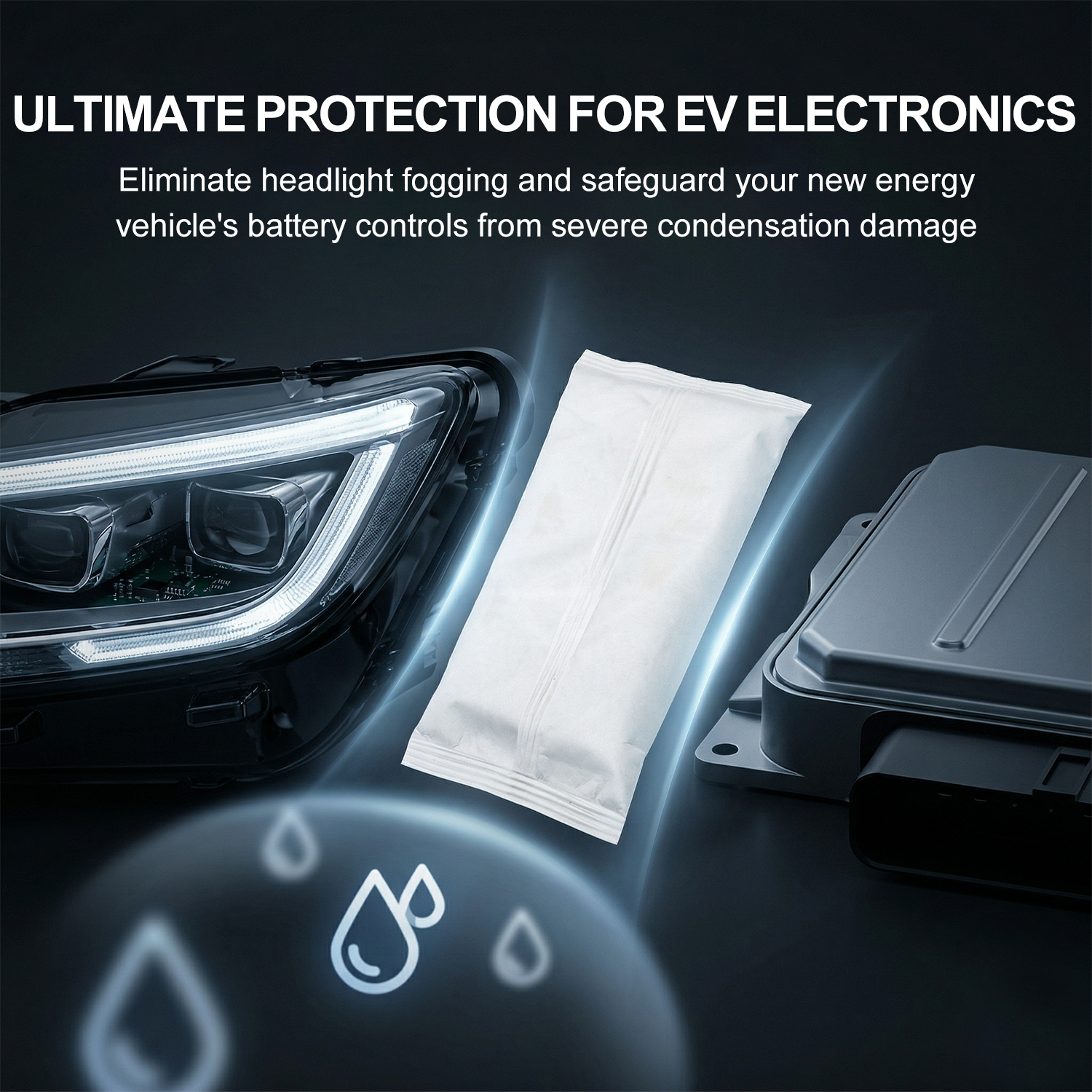
Headlight condensation is a common automotive phenomenon where moisture accumulates inside the headlight assembly, creating foggy or water droplet formations on the interior lens surface. This occurs when warm air inside the headlight housing meets cooler external temperatures, causing water vapor to condense. Modern headlight assemblies are designed with ventilation systems that allow air circulation to prevent excessive moisture buildup while maintaining a sealed environment to protect internal components. Understanding headlight condensation is essential for vehicle owners, as it helps distinguish between normal moisture accumulation and potentially problematic seal failures. The headlight assembly typically includes breather vents that equalize pressure and allow gradual moisture evaporation under normal operating conditions. When headlights illuminate, they generate heat that naturally evaporates minor condensation within minutes to hours. However, persistent or excessive headlight condensation may indicate damaged seals, cracked lenses, or compromised ventilation systems requiring professional attention. Automotive manufacturers incorporate specific design features to manage moisture, including desiccant materials, strategic vent placement, and specialized coatings. Recognition of normal versus abnormal headlight condensation patterns enables vehicle owners to make informed maintenance decisions and preserve optimal lighting performance for safe nighttime driving operations.



 EN
EN