fiber desiccant uses
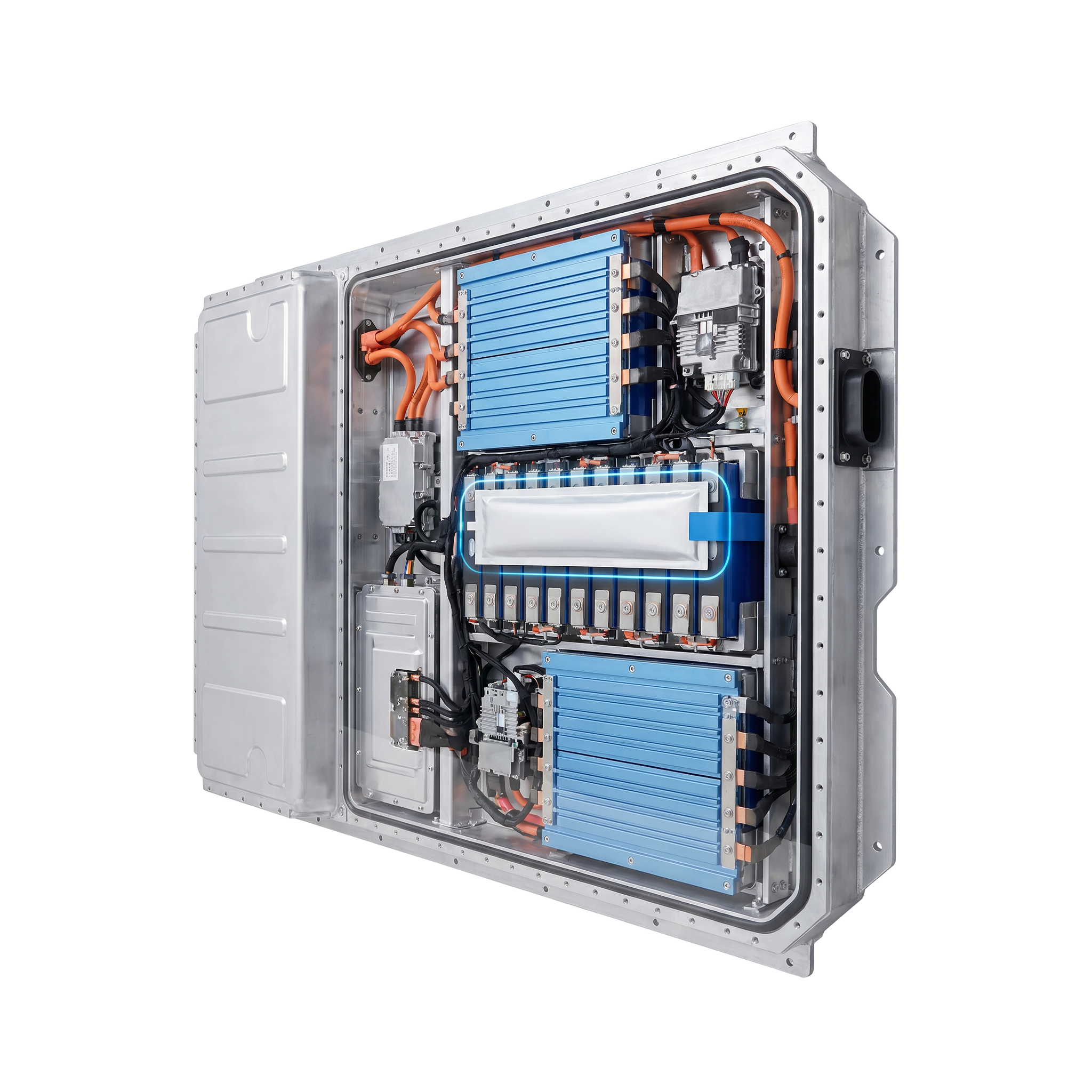
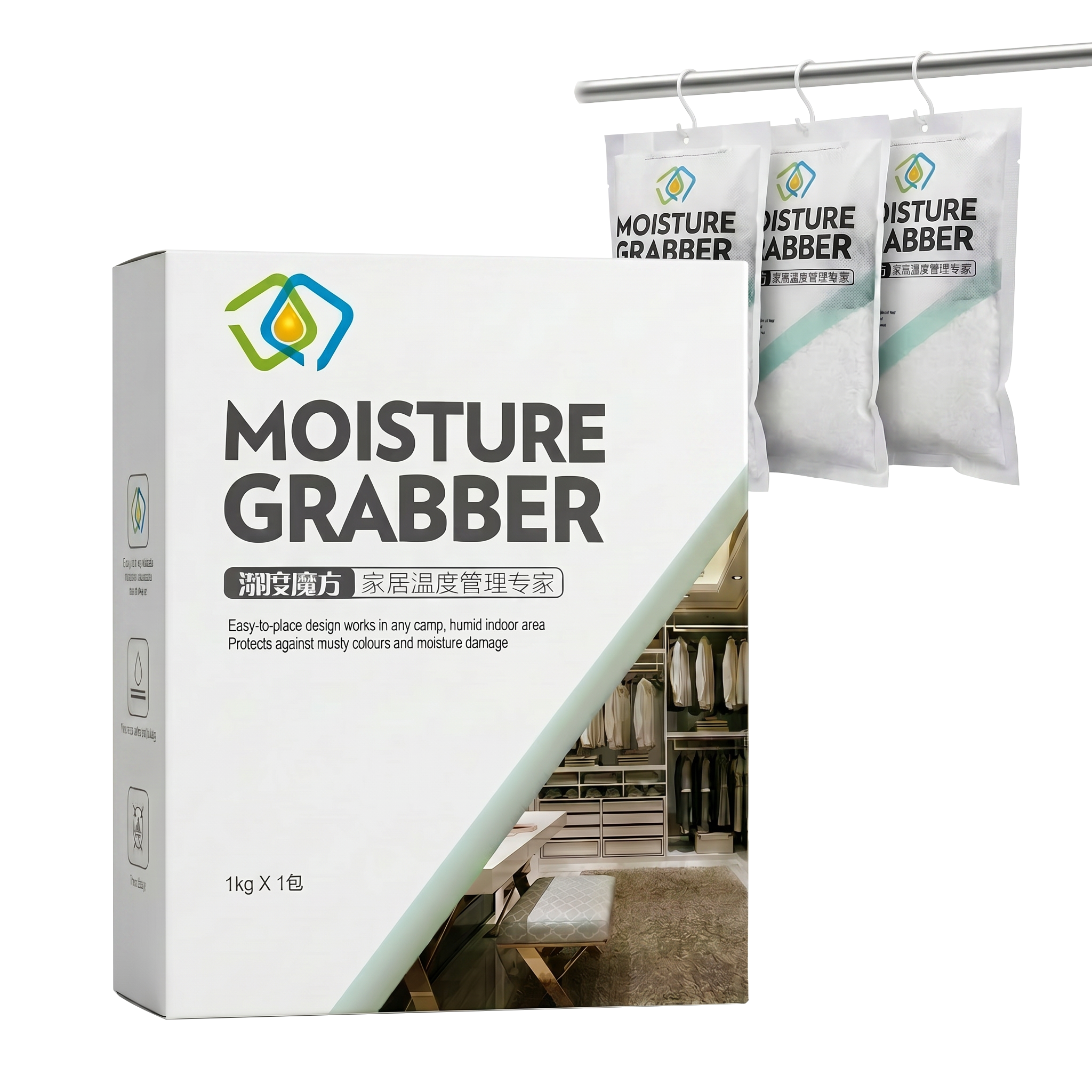
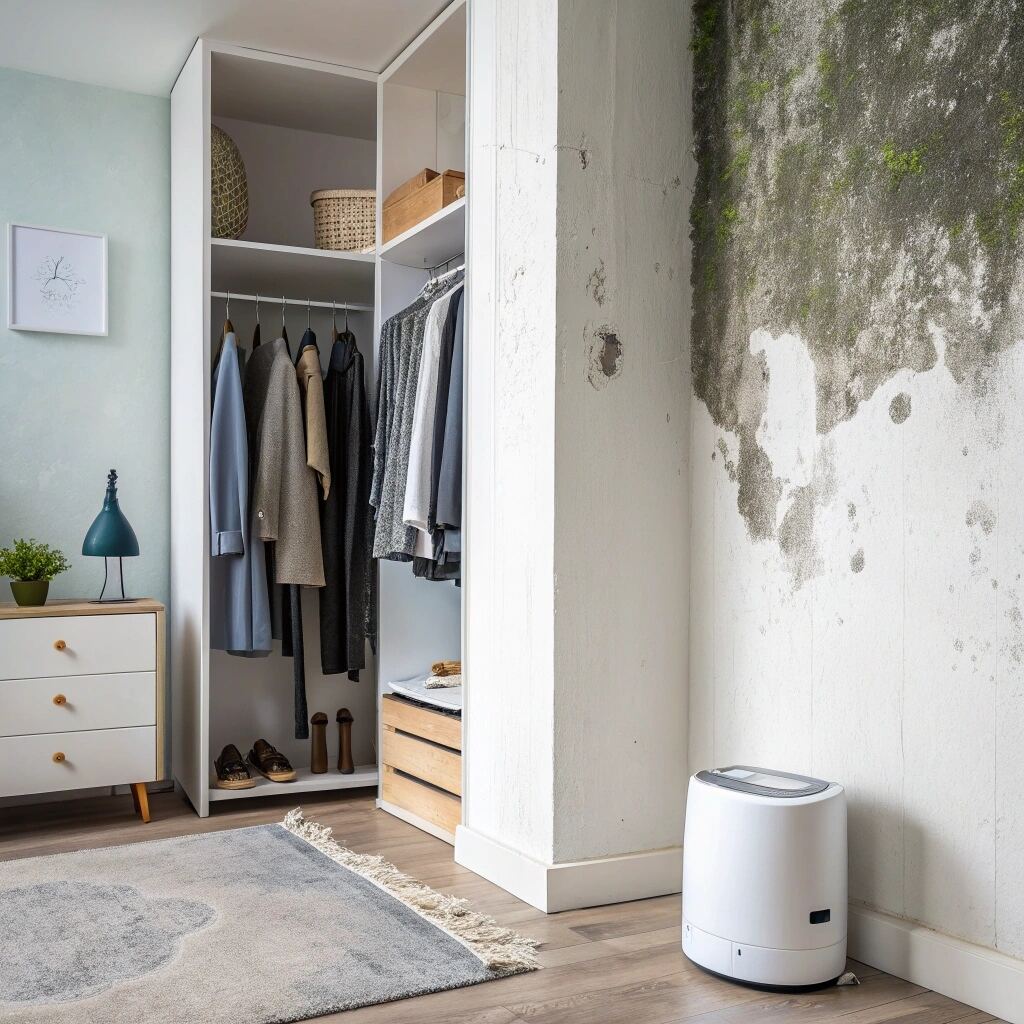
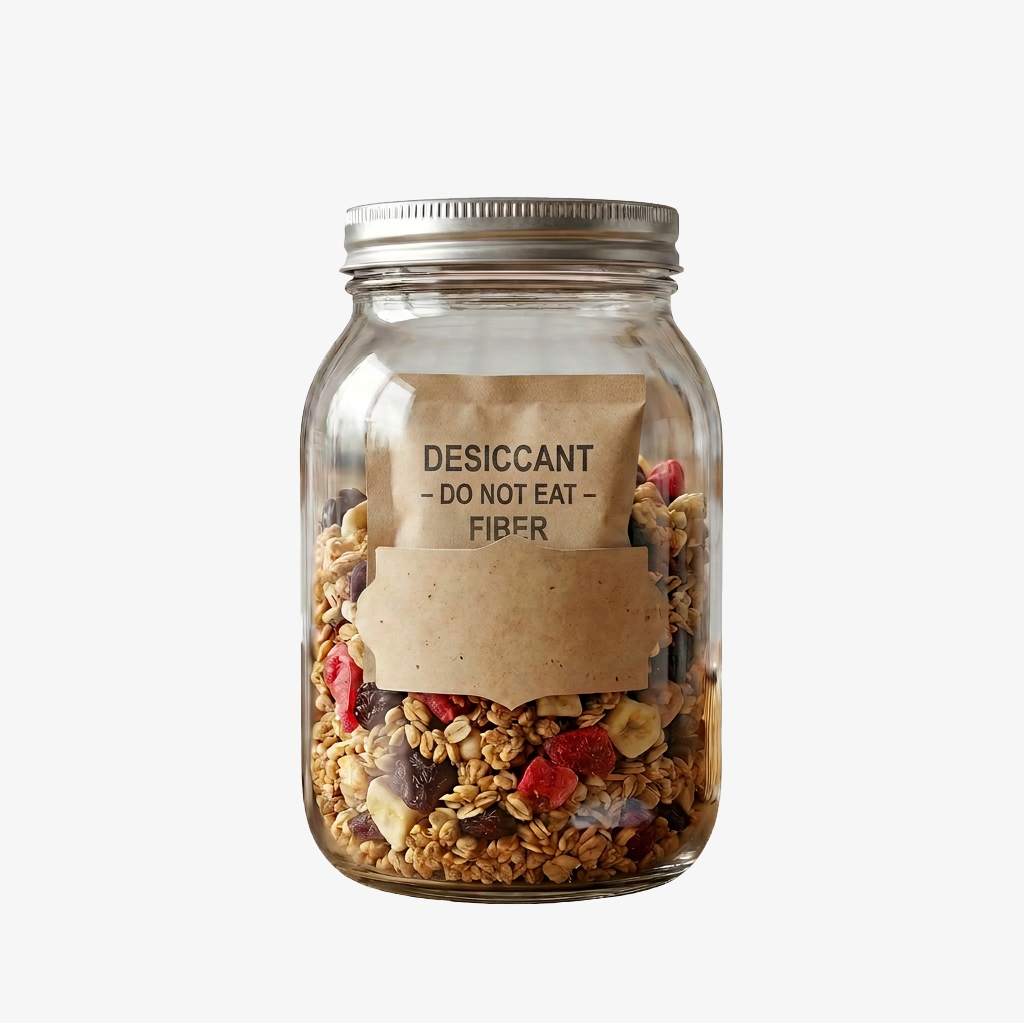
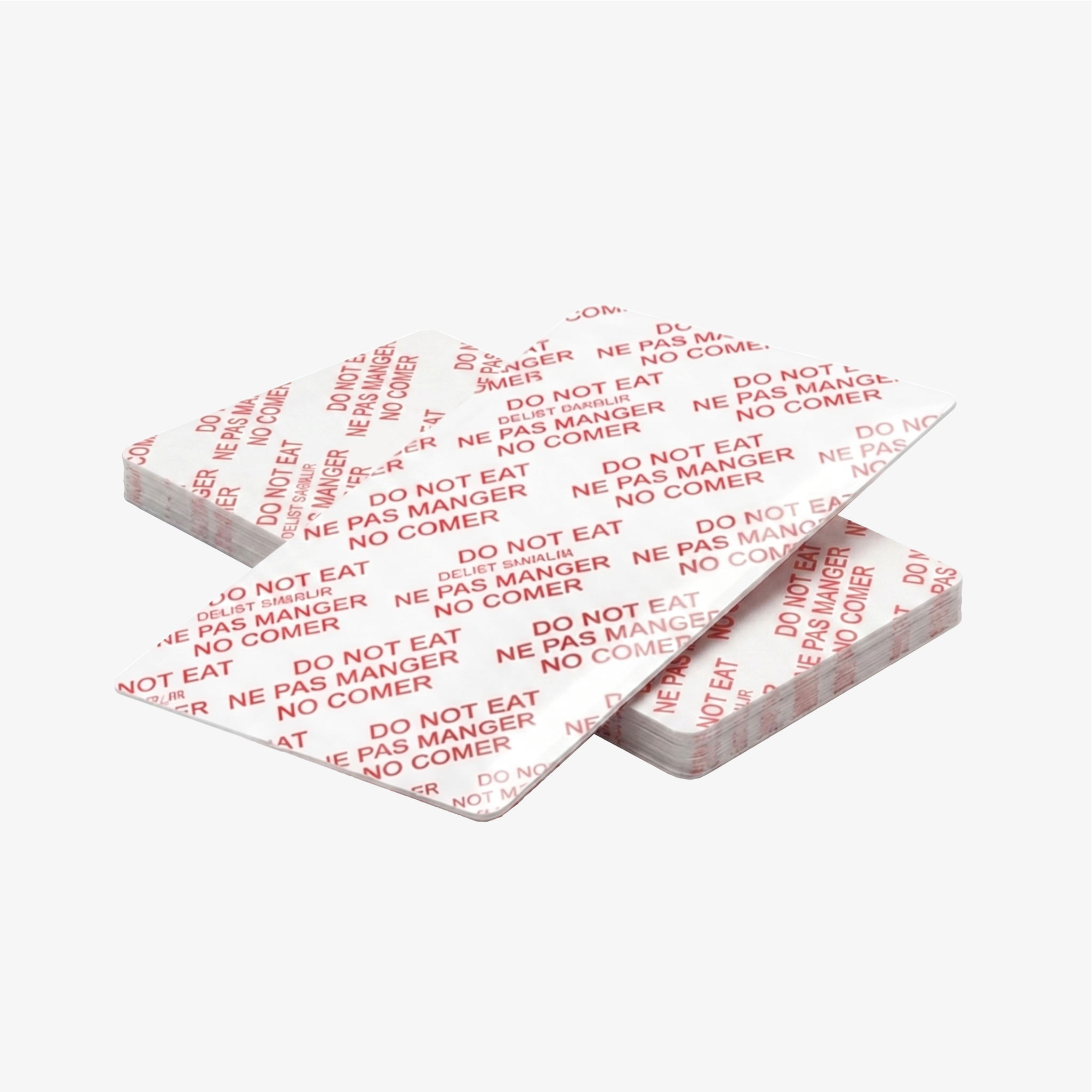
Fiber desiccant uses span across multiple industries where moisture control is critical for product protection and quality preservation. This advanced moisture absorption solution utilizes natural or synthetic fibers treated with desiccant materials to create an effective humidity management system. The primary function of fiber desiccant uses involves capturing and holding water vapor from enclosed spaces, preventing condensation, corrosion, mold growth, and product degradation. The technological features include high absorption capacity, fast moisture uptake rates, and excellent compatibility with various packaging materials. Unlike traditional silica gel or clay desiccants, fiber desiccants offer superior flexibility and can be shaped into different formats to fit specific container requirements. Common fiber desiccant uses include electronics packaging, where sensitive components require protection from humidity damage, pharmaceutical storage where moisture can compromise drug efficacy, food packaging to maintain freshness and extend shelf life, and textile shipping to prevent mildew during transportation. The versatility of fiber desiccant uses extends to military equipment preservation, optical instrument protection, and leather goods storage. These desiccants work continuously once sealed within packaging, maintaining optimal relative humidity levels throughout the product lifecycle. The material composition typically combines absorbent fibers with calcium chloride, silica gel, or molecular sieve materials, creating a synergistic effect that maximizes moisture control efficiency while maintaining safety standards for consumer products.





 EN
EN