Fiber Desiccant Types: Complete Guide & Benefits

All Categories

fiber desiccant types

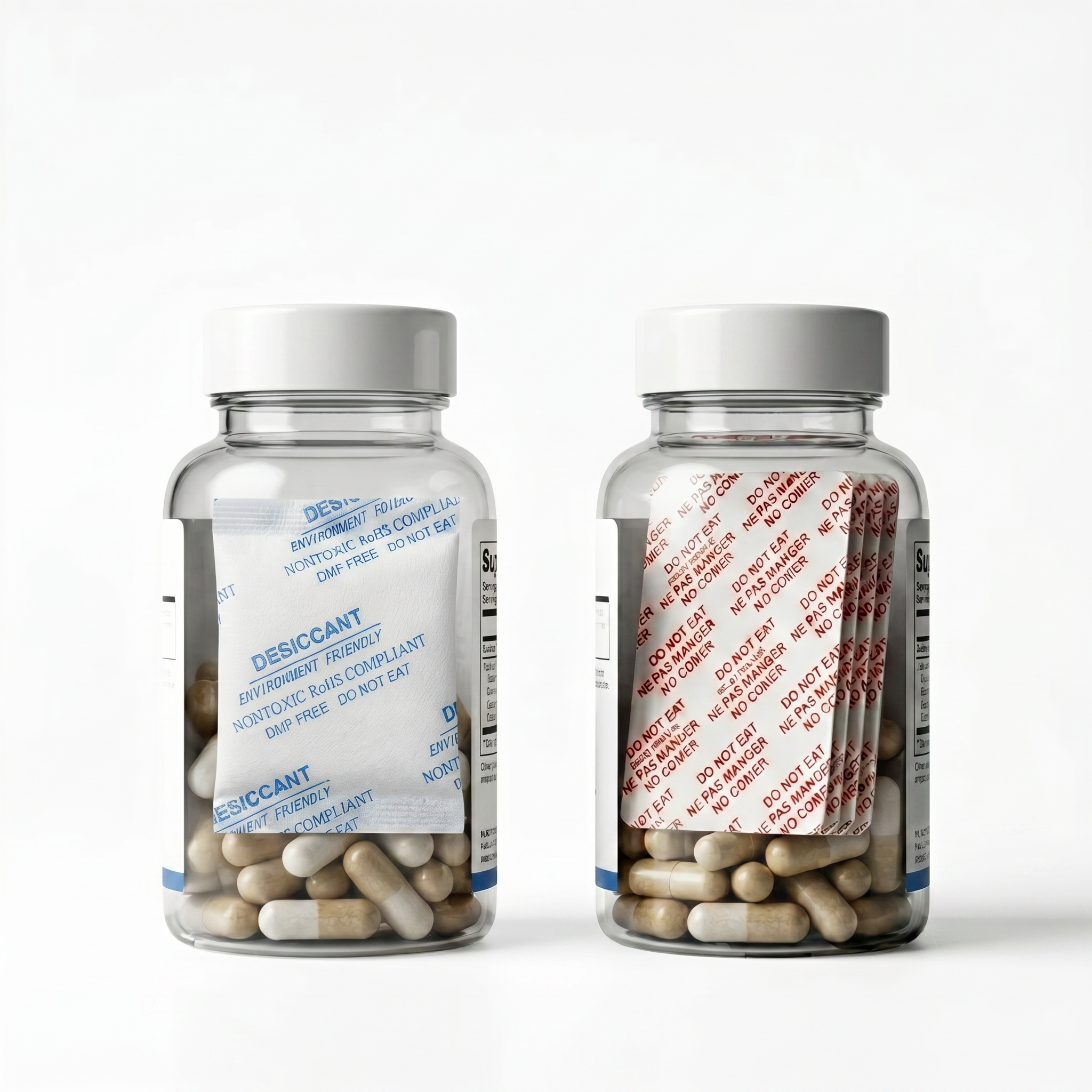
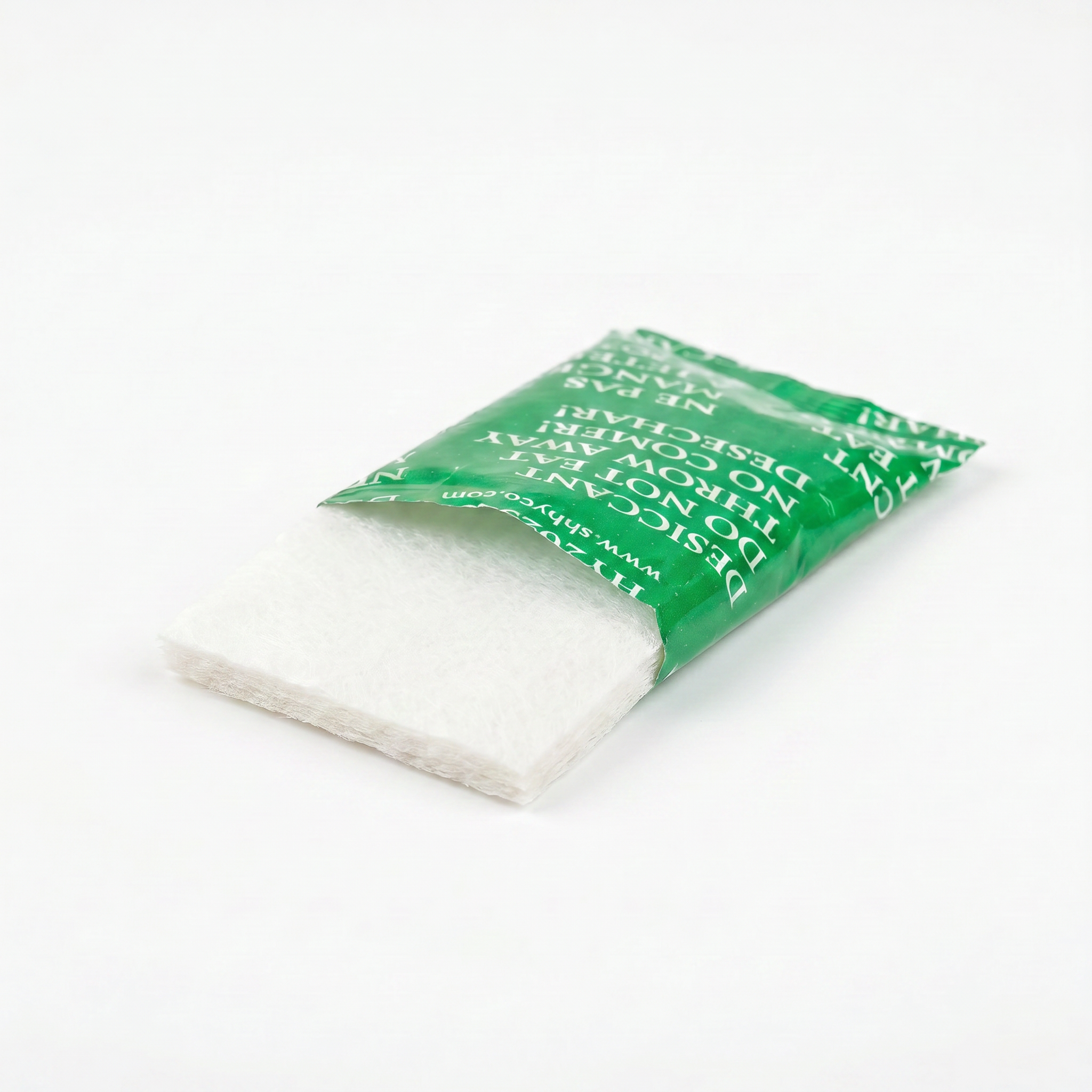
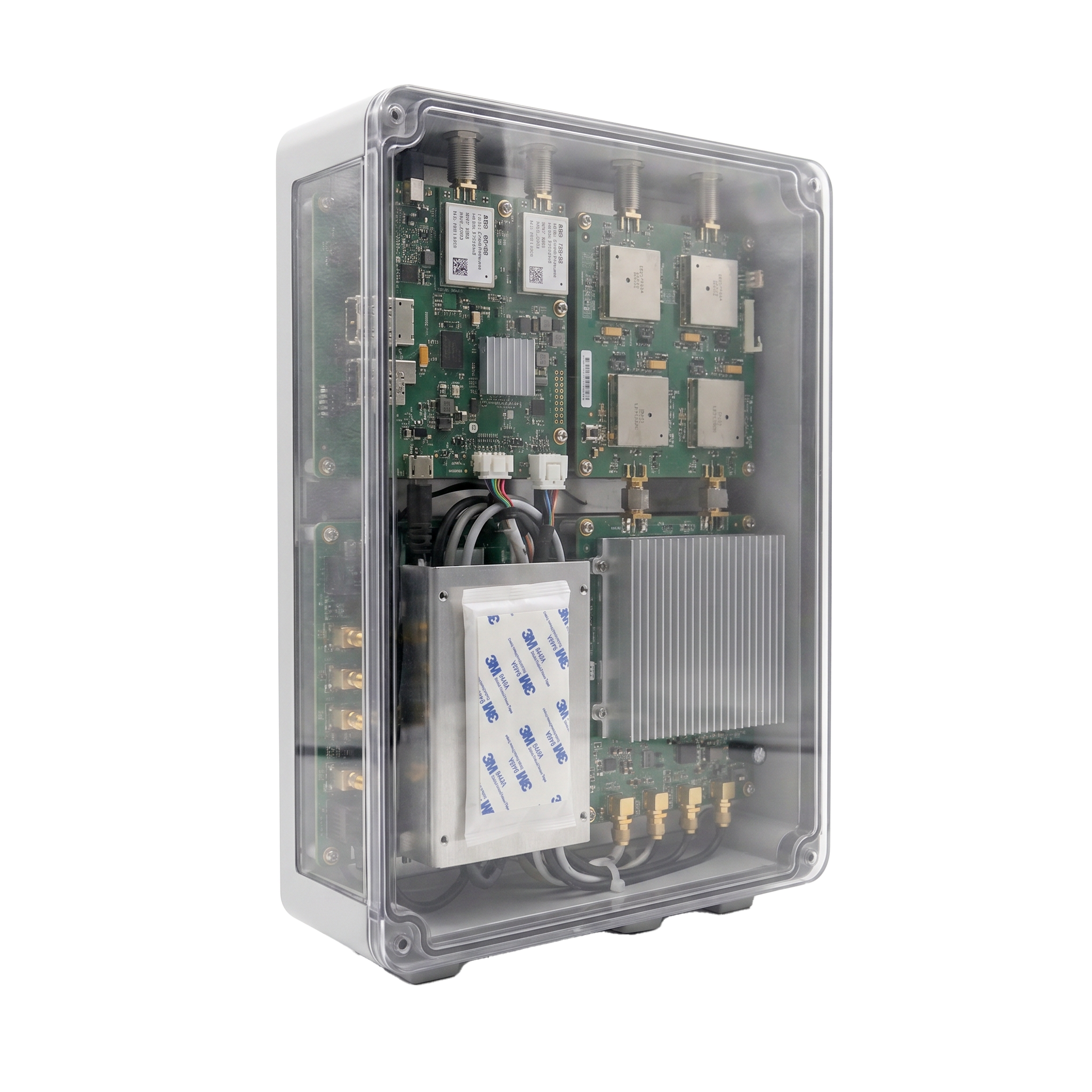
Fiber desiccant types represent an innovative category of moisture control solutions engineered from natural and synthetic fiber materials. These advanced desiccants excel at absorbing humidity in confined spaces, protecting sensitive products from moisture damage during storage and transportation. The primary fiber desiccant types include cellulose-based variants, mineral fiber compositions, and hybrid fiber blends, each designed to address specific moisture control requirements. The main function of fiber desiccant types centers on rapid moisture absorption through capillary action within their fibrous structure, creating a dry microenvironment that prevents mold growth, corrosion, and product degradation. Technologically, fiber desiccant types feature high surface area-to-weight ratios, enabling superior adsorption capacity compared to traditional options. Their porous fiber network allows air circulation while trapping water molecules efficiently, maintaining optimal humidity levels. Manufacturing processes incorporate food-grade components and non-toxic binders, ensuring safety across diverse applications. Fiber desiccant types find extensive use in pharmaceutical packaging, where moisture control is critical for medication stability, electronics shipping to prevent circuit board corrosion, leather goods preservation, textile storage, and food packaging applications. Their lightweight construction reduces shipping costs while maintaining effectiveness, and their biodegradable nature appeals to environmentally conscious industries. The versatility of fiber desiccant types allows customization in size, absorption capacity, and packaging formats, accommodating everything from small consumer products to large industrial containers, making them an essential component in modern moisture management strategies across global supply chains.


New Products

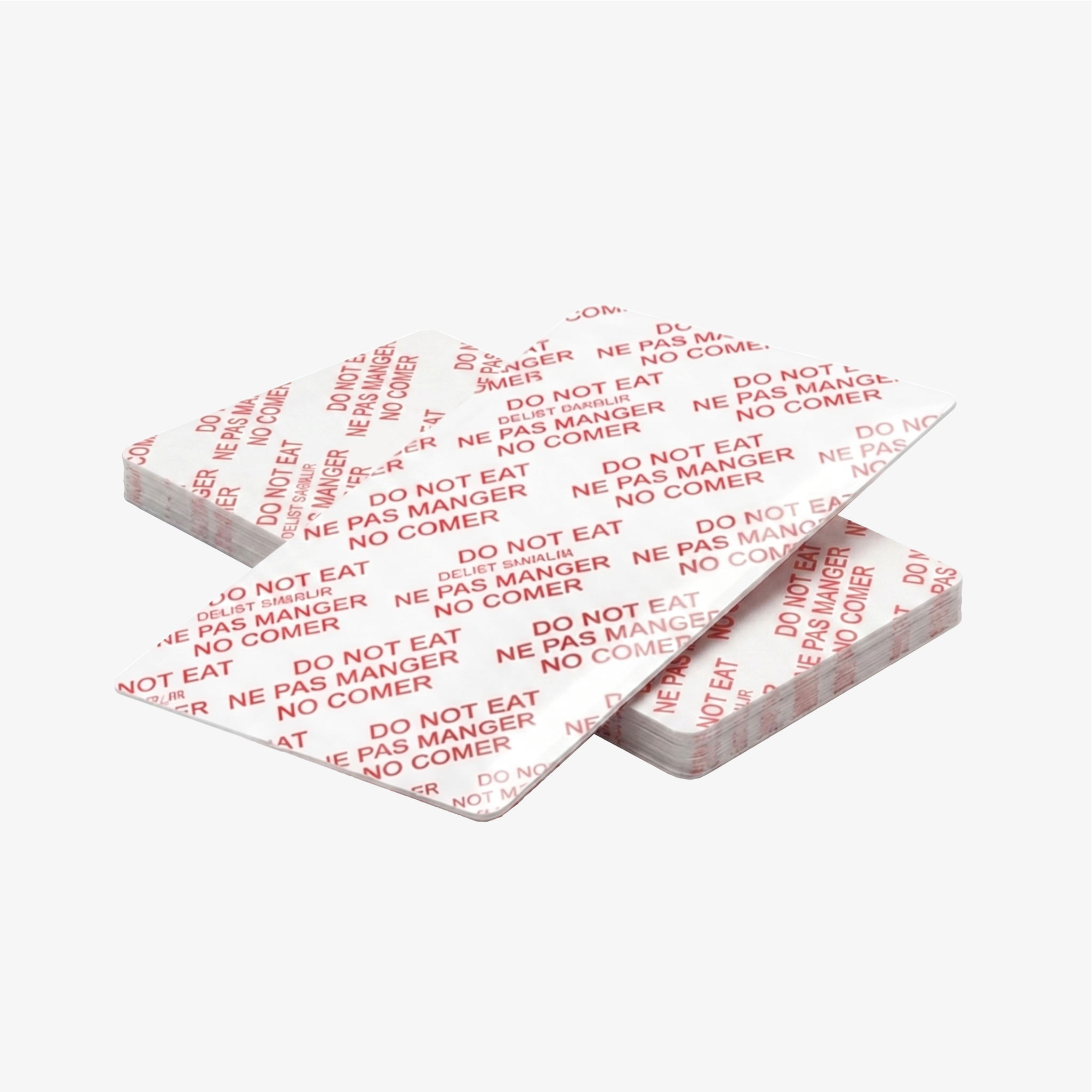
Understanding the practical benefits of fiber desiccant types helps businesses make informed purchasing decisions that protect their products and reduce operational costs. The primary advantage lies in their exceptional absorption speed, drawing moisture away from products faster than silica gel or clay alternatives, which translates to immediate protection upon package sealing. This rapid response prevents condensation buildup during temperature fluctuations common in shipping environments. Cost efficiency represents another significant benefit, as fiber desiccant types typically cost less per unit while delivering comparable or superior performance, directly improving your bottom line without compromising product protection. Their lightweight composition reduces shipping expenses, a crucial consideration when dealing with large volume orders where every gram affects freight costs. Environmental responsibility increasingly influences purchasing decisions, and fiber desiccant types excel here with biodegradable options that align with corporate sustainability goals and reduce disposal concerns. The flexible format of fiber desiccant types accommodates various packaging configurations, from sachets to sheets, allowing seamless integration into existing production lines without equipment modifications. Safety considerations matter especially in food and pharmaceutical applications, where fiber desiccant types manufactured from non-toxic materials eliminate contamination risks if accidental contact occurs. Their consistent performance across temperature ranges ensures reliability whether products travel through tropical humidity or cold storage facilities. Buyers value the transparency of absorption indicators available in certain fiber desiccant types, providing visual confirmation of desiccant status without opening packages. The compact storage requirements before use save warehouse space, and their dust-free nature protects sensitive electronics and optical equipment better than granular alternatives. Operational simplicity means staff require minimal training for proper application, reducing implementation time and labor costs while maintaining quality control standards throughout your moisture management program.

Practical Tips

Green Energy Reduction Case Study: Energy Efficiency Retrofit Using Shanghai Hengyuan Polymer’s Precision Humidity-Control Panels

11

Dec

Green Energy Reduction Case Study: Energy Efficiency Retrofit Using Shanghai Hengyuan Polymer’s Precision Humidity-Control Panels

View More
Humidity Management Solutions for Museum

11

Dec

Humidity Management Solutions for Museum

View More
100 Trainees from Developing Countries to Join International Cross-Border E-Commerce Talent Program

11

Dec

100 Trainees from Developing Countries to Join International Cross-Border E-Commerce Talent Program

View More
Ihumi to Unveil Next-Gen Two-Way Humidity Control Solutions at interpack 2026

22

Apr

Ihumi to Unveil Next-Gen Two-Way Humidity Control Solutions at interpack 2026

View More

Get a Free Quote

Our representative will contact you soon.
Email
Mobile/WhatsApp
Name
Company Name
Message
0/1000

fiber desiccant types

Superior Moisture Absorption Capacity

Superior Moisture Absorption Capacity

The exceptional absorption capacity of fiber desiccant types stems from their unique microstructural design, incorporating millions of microscopic fiber channels that create an extensive internal surface area dedicated to moisture capture. This architectural advantage allows fiber desiccant types to absorb up to 200-300 percent of their own weight in water vapor, significantly outperforming conventional desiccants in equivalent dimensions. The capillary action within the fiber matrix draws moisture aggressively from surrounding air, establishing equilibrium humidity levels within hours rather than days. This performance characteristic proves invaluable for products requiring immediate moisture protection, such as freshly manufactured electronics sensitive to humidity exposure or pharmaceutical preparations where moisture triggers chemical degradation. The sustained absorption capability means fiber desiccant types maintain effectiveness throughout extended storage periods and long-distance shipments, providing reliable protection from initial packaging through final customer delivery. Manufacturers can specify absorption capacity precisely based on package volume and expected humidity exposure, optimizing protection while controlling costs through right-sized desiccant selection that eliminates both under-protection risks and unnecessary over-specification expenses.
Environmentally Sustainable Solution

Environmentally Sustainable Solution

Modern fiber desiccant types address growing environmental concerns by incorporating renewable resources and biodegradable components that decompose naturally without leaving harmful residues, positioning them as the responsible choice for companies committed to reducing environmental impact. Unlike synthetic alternatives that persist in landfills indefinitely, many fiber desiccant types derive from plant-based cellulose fibers or recycled materials, supporting circular economy principles while delivering effective moisture control. This ecological advantage extends beyond disposal considerations, as production processes for fiber desiccant types typically consume less energy and generate fewer emissions compared to mineral-based or chemically-intensive desiccant manufacturing. Companies implementing fiber desiccant types can authentically communicate sustainability achievements to environmentally conscious consumers, enhancing brand reputation and meeting increasingly stringent regulatory requirements regarding packaging waste. The compostable nature of certain fiber desiccant types allows integration into organic waste streams, particularly beneficial for food and agricultural applications where contamination concerns prohibit synthetic materials. This environmental compatibility does not compromise performance, as advanced fiber desiccant types maintain moisture protection standards while supporting corporate social responsibility objectives, creating a compelling value proposition that balances operational requirements with environmental stewardship.
Versatile Application Compatibility

Versatile Application Compatibility

The remarkable versatility of fiber desiccant types accommodates an extraordinary range of industries and product categories, from delicate museum artifacts to rugged industrial components, demonstrating adaptability that simplifies procurement and inventory management for diverse operations. This broad application compatibility stems from customizable formats including sachets, sheets, blankets, and loose fill configurations that conform to irregular package shapes and integrate seamlessly with automated packaging systems without modifications. Fiber desiccant types perform reliably across extreme temperature variations, maintaining absorption effectiveness in refrigerated environments and heated warehouses alike, eliminating the need for multiple desiccant varieties for different storage conditions. The non-abrasive surface of fiber desiccant types protects polished surfaces and prevents scratching on optical components, expanding suitable applications beyond what granular desiccants can safely address. Chemical stability ensures fiber desiccant types remain inert with most materials, preventing unwanted reactions with pharmaceuticals, foods, or sensitive chemical compounds. Package designers appreciate the space efficiency of sheet-format fiber desiccant types that line container walls, maximizing product capacity while maintaining moisture protection, a particularly valuable feature in high-value electronics shipping where dimensional efficiency directly impacts profitability and customer satisfaction throughout competitive markets.

Get a Free Quote

Our representative will contact you soon.
Email
Mobile/WhatsApp
Name
Company Name
Message
0/1000

Get a Free Quote

Our representative will contact you soon.
Email
Mobile/WhatsApp
Name
Company Name
Message
0/1000