
 EN
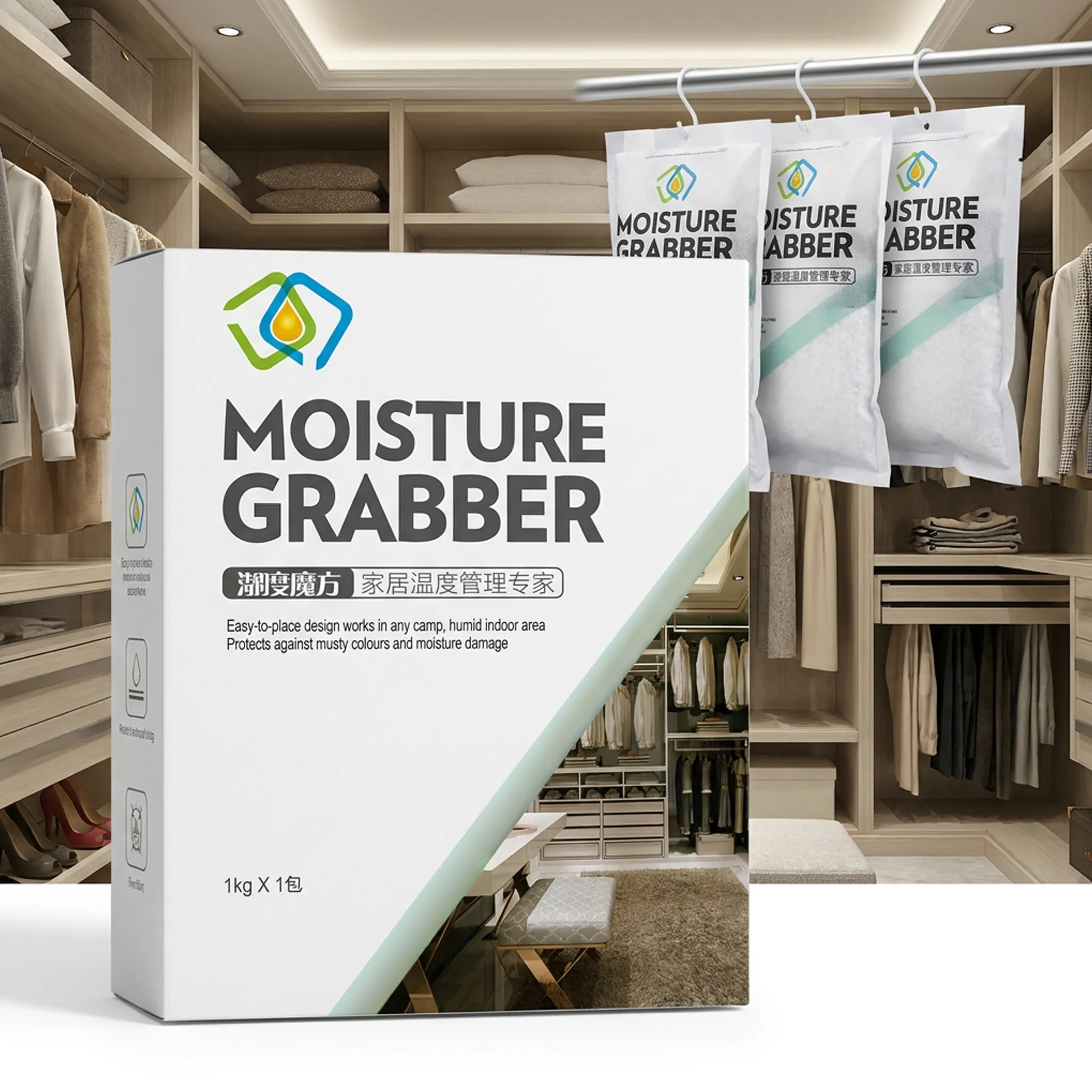
Selecting the right desiccant packages is critical for protecting moisture-sensitive products during storage and transport. Industries ranging from pharmaceuticals to electronics depend on effective moisture control to maintain product integrity and shelf life. Poor selection of desiccant packages can lead to product degradation, customer returns, and damaged brand reputation. Understanding how to evaluate and choose appropriate desiccant packages for your bulk packaging operations requires knowledge of moisture exposure levels, product sensitivity, and packaging specifications.
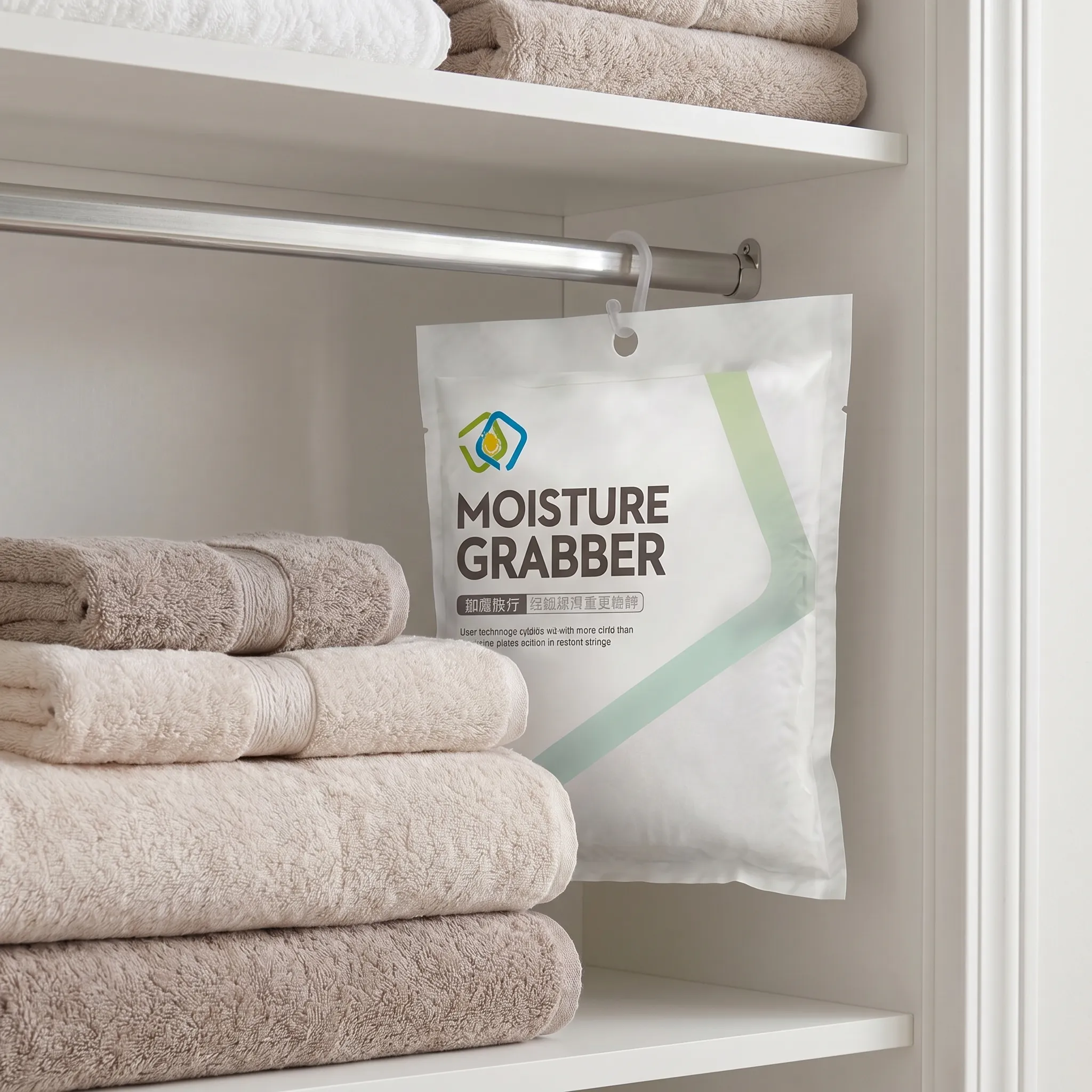
When handling bulk packaging operations, the choice of desiccant packages directly impacts whether your products reach customers in optimal condition. The right desiccant packages will absorb excess moisture efficiently while remaining compatible with your specific products and packaging materials. This guide walks through the essential decision factors that help industrial buyers, logistics managers, and packaging professionals select the most effective desiccant packages for their unique operational requirements.
Understanding Your Moisture Control Requirements
Assessing Product Sensitivity and Environmental Exposure
Different products have varying degrees of moisture sensitivity, and this variation must drive your selection of desiccant packages. Pharmaceuticals, vitamins, and precision electronics require aggressive moisture control, while certain foods or non-sensitive items may tolerate higher humidity levels. When evaluating desiccant packages, first determine the relative humidity threshold at which your product begins degrading. Products stored in humid environments, shipped through tropical routes, or kept in facilities without climate control demand more robust desiccant packages than those in controlled indoor warehouses.
Storage Duration and Transportation Conditions
The length of time your products remain in storage directly influences which desiccant packages you should deploy. Long-term storage of bulk inventory demands desiccant packages with higher total moisture absorption capacity compared to short transit periods. Consider whether your desiccant packages will be exposed to temperature fluctuations, high humidity peaks during loading and unloading, or extended periods in uncontrolled environments. Transportation routes passing through high-humidity zones or involving prolonged port storage require more capable desiccant packages than direct, climate-controlled shipments. Document your typical exposure scenarios to inform which desiccant packages will perform adequately.
Key Selection Criteria for Desiccant Packages
Absorption Capacity and Material Type
The absorption capacity of desiccant packages represents the volume of moisture they can remove under specific conditions. Silica gel desiccant packages offer cost-effective, reversible absorption suitable for many applications, while molecular sieve desiccant packages provide superior performance in extremely dry requirements. Calcium chloride-based desiccant packages absorb more moisture by weight but may liquefy under extreme humidity, making them less suitable for sensitive packaging scenarios. When selecting desiccant packages, match the absorption type to your specific humidity range and whether you need reusable versus disposable options. Verify manufacturer data for moisture absorption rates under conditions matching your storage environment.
Sizing and Placement Within Bulk Containers
The quantity and size of desiccant packages you deploy directly affects moisture control effectiveness. Undersizing your desiccant packages leaves product vulnerable to humidity fluctuations, while oversizing creates unnecessary cost and potential interference with product packaging. Calculate bulk container volume and estimate moisture infiltration rates to determine the total capacity your desiccant packages must provide. Positioning desiccant packages strategically—near potential moisture entry points and distributed throughout larger containers—ensures uniform moisture removal. Consider whether your desiccant packages will sit directly on product, require separation layers, or need suspension within the container headspace.
Compatibility and Safety Considerations
Not all desiccant packages are compatible with every product category. Certain desiccant packages containing silica particles may not meet food contact standards, while others might interact chemically with sensitive pharmaceuticals or electronics. Food-grade desiccant packages must meet regulatory requirements separate from industrial or pharmaceutical desiccant packages. Verify that your selected desiccant packages comply with relevant safety standards for your industry, whether FDA, ISO, or equivalent certifications. Test desiccant packages with representative product samples to confirm no discoloration, odor transfer, or quality degradation occurs during typical storage periods.
Implementation and Quality Assurance Practices
Integration into Your Bulk Packaging Workflow
Successfully incorporating desiccant packages into bulk operations requires clear procedures for insertion, quantity verification, and documentation. Establish standardized protocols specifying exactly which desiccant packages go into each container type and how many units your operations require. Train warehouse staff to recognize proper desiccant packages condition—dry, intact, with clear expiration dates—and implement regular audits to prevent expired desiccant packages from entering the system. Consider automated dispensing equipment if volumes justify the investment, ensuring consistent desiccant packages placement across all shipments. Document every batch of desiccant packages used for traceability and quality assurance investigations.
Monitoring Performance and Cost Optimization
Track how effectively your chosen desiccant packages protect products by monitoring damage claims, returns related to moisture degradation, and internal humidity measurements within sealed containers. desiccant packages performance metrics should inform decisions about quantity adjustments, material type changes, or supplier transitions. Compare total cost of protection—factoring in desiccant packages expense, labor for insertion, and prevented losses—to identify optimization opportunities. Review desiccant packages selections annually as product specifications, storage conditions, or transportation routes evolve. Negotiate volume pricing with your desiccant packages supplier once performance proves reliable, but avoid switching to inferior desiccant packages solely to reduce per-unit cost.
FAQ
How many desiccant packages should I use per bulk container?
The correct quantity of desiccant packages depends on container volume, humidity exposure level, and product sensitivity. A general rule uses roughly 3–5 grams of desiccant packages per liter of container volume, but highly sensitive products or extreme humidity environments may require doubled amounts. Calculate based on expected moisture infiltration and your product's acceptable moisture threshold; manufacturers of desiccant packages typically provide sizing guides for common scenarios.
Can I reuse or regenerate desiccant packages?
Silica gel-based desiccant packages can be regenerated by heating to drive off absorbed moisture, making them potentially reusable. However, regenerating desiccant packages in-house requires equipment and energy, which often costs more than purchasing new units. Most commercial operations use disposable desiccant packages for convenience, though specialized applications may justify regeneration systems. Never reuse desiccant packages that have contacted food, pharmaceuticals, or contaminated products without full sterilization and testing.
What happens if desiccant packages get too saturated?
Oversaturated desiccant packages stop absorbing moisture, leaving your products exposed to humidity damage. Some desiccant packages materials like calcium chloride may liquefy, creating corrosive conditions or staining product packaging. Color-indicating desiccant packages change hue when saturated, providing visual confirmation of when replacement is needed. Prevent this by right-sizing desiccant packages quantity, monitoring storage conditions, and replacing units before maximum capacity is reached.