
 EN
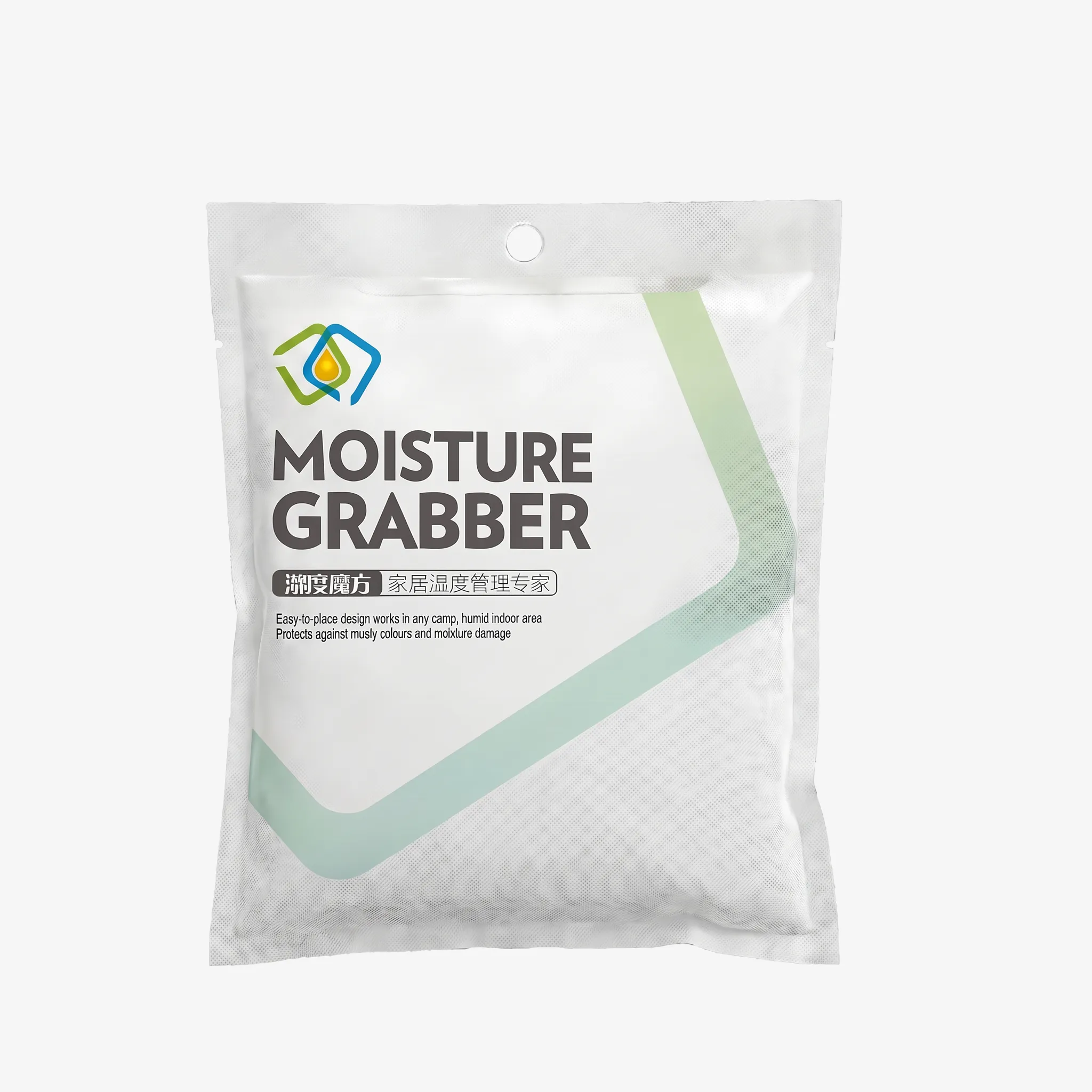
High performance desiccant packages are engineered solutions designed to manage moisture across diverse industrial and commercial applications. From pharmaceuticals and electronics to automotive and food packaging, the selection of materials within desiccant packages directly determines their effectiveness, durability, and safety profile. Understanding the composition of these desiccant packages allows procurement teams and engineers to make informed decisions that protect product integrity, extend shelf life, and prevent costly moisture-related failures. The materials chosen for desiccant packages must balance absorption capacity, reusability, cost efficiency, and compatibility with the target product environment.
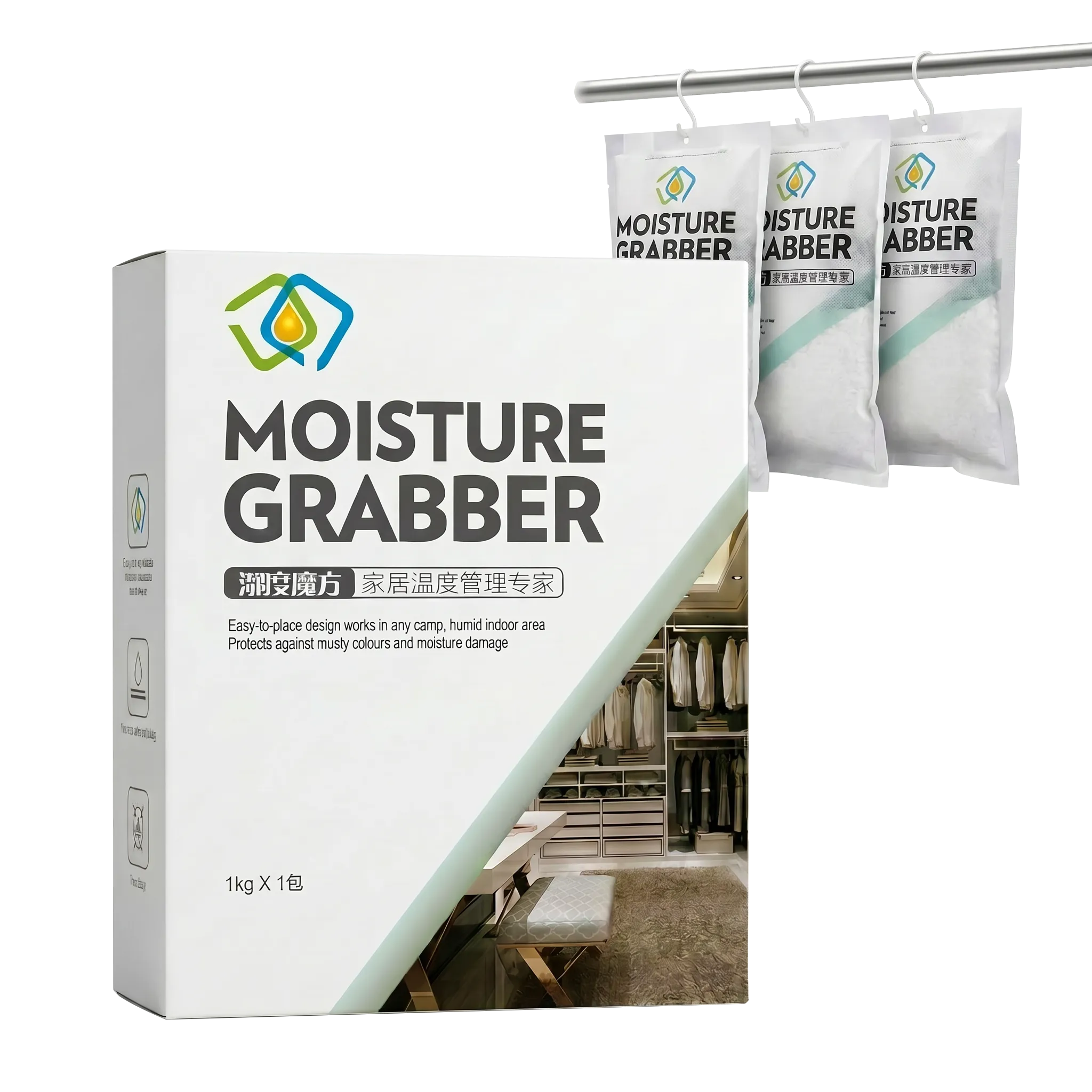
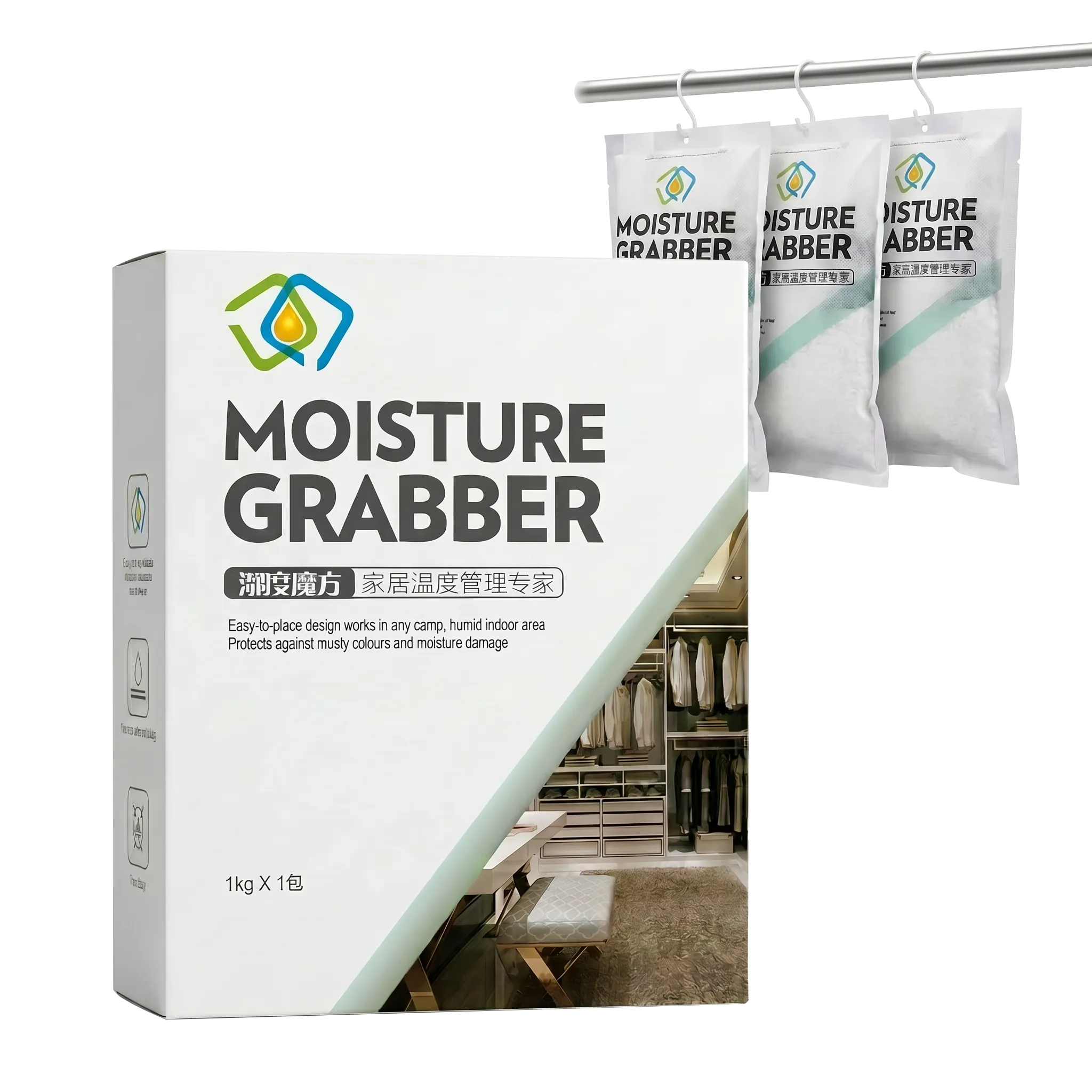
The performance characteristics of desiccant packages emerge from carefully selected material combinations that work synergistically to absorb and retain moisture. Each material type within desiccant packages brings unique properties, including adsorption rates, saturation capacity, and regeneration potential. Industrial-grade desiccant packages often incorporate multiple materials layered or mixed strategically to address specific moisture challenges. Whether your application requires rapid moisture uptake, extended dry protection, or controlled humidity maintenance, the material composition of your desiccant packages will fundamentally influence operational outcomes and product quality assurance.
Primary Absorbent Materials in Desiccant Packages
Silica Gel as a Core Component
Silica gel represents one of the most widely used materials in commercial desiccant packages due to its exceptional moisture absorption capacity and stability. This amorphous form of silicon dioxide can absorb up to 40 percent of its own weight in moisture, making it highly efficient for protection in confined spaces. Desiccant packages utilizing silica gel benefit from its non-toxic nature, cost-effectiveness, and ability to function across broad temperature ranges. Silica gel within desiccant packages can be recharged by heating, allowing for reusable solutions that reduce long-term operational costs. The material's granular structure provides excellent contact surface area, enabling rapid moisture uptake that prevents condensation and mold formation in sealed containers. Many industrial desiccant packages employ silica gel as the primary absorbent because of its proven track record in pharmaceuticals, electronics, and food industries.
Activated Carbon for Odor and Moisture Control
Activated carbon serves as a complementary material in specialized desiccant packages, particularly when odor removal and moisture control must occur simultaneously. This highly porous material possesses an enormous surface area, sometimes exceeding 3000 square meters per gram, enabling simultaneous absorption of moisture and volatile organic compounds. Desiccant packages incorporating activated carbon excel in applications where product quality depends on both dry conditions and odor neutralization. Electronics packaging, vintage item storage, and food product preservation all benefit from activated carbon inclusion within desiccant packages. The material's effectiveness in desiccant packages extends product shelf life by preventing both moisture degradation and oxidative damage from airborne contaminants. When combined with silica gel in layered desiccant packages, activated carbon creates a comprehensive moisture and odor barrier that protects sensitive materials from environmental threats.
Supporting Materials and Additives in Desiccant Packages
Molecular Sieves and Clay-Based Materials
Molecular sieves represent an advanced material category within premium desiccant packages, offering selective moisture adsorption through precise pore structures. These crystalline materials can achieve extremely low residual moisture levels, making desiccant packages with molecular sieves ideal for ultra-sensitive applications in the pharmaceutical and semiconductor industries. Clay-based materials like bentonite and montmorillonite provide economical alternatives within desiccant packages, offering moderate absorption capacity at lower cost points. Desiccant packages combining clay materials with silica gel achieve balanced performance and extended protection for cost-conscious applications. The layered structure of clay within desiccant packages allows gradual moisture uptake, creating a buffer effect that prevents saturation during extended storage periods. These supporting materials in desiccant packages enhance overall moisture management by providing supplementary absorption when primary absorbents reach saturation thresholds.
Indicator Systems and Packaging Materials
Color-changing indicator materials integrated into desiccant packages provide visual feedback on saturation status without opening the container. Typically using cobalt chloride or methyl violet dyes, these indicators within desiccant packages change from blue to pink as moisture absorption progresses, enabling quick assessment of package effectiveness. The outer packaging enclosing these absorbents in desiccant packages must be permeable to moisture while preventing particle escape. Nonwoven polypropylene, kraft paper, and specialized moisture-permeable films form the protective envelope for most desiccant packages. High-performance desiccant packages employ multilayer configurations combining these materials to balance permeability, strength, and particle containment. The fabric or paper composition significantly influences how quickly moisture reaches the absorbent core within desiccant packages, directly affecting overall drying performance.
Selection and Application Considerations for Desiccant Packages
Performance Metrics and Material Selection
Selecting appropriate materials for your desiccant packages requires understanding specific performance requirements including absorption capacity, equilibrium moisture content, and temperature stability. Industrial-grade desiccant packages demand materials capable of maintaining integrity across storage temperature fluctuations without releasing previously absorbed moisture. The size and weight of desiccant packages needed for your application depends directly on material efficiency and environmental conditions. Highly efficient materials in desiccant packages allow smaller, lighter configurations that reduce shipping costs and storage space requirements. Testing protocols for desiccant packages should verify material compatibility with your specific product to prevent chemical interactions or unwanted odor transfer. Premium desiccant packages incorporate materials selected through rigorous compatibility testing, ensuring product safety and quality preservation throughout the intended shelf life.
Industry-Specific Material Combinations
Pharmaceutical desiccant packages typically combine silica gel with molecular sieves to achieve extremely low residual humidity levels required for medication stability. Electronics and semiconductor desiccant packages often emphasize rapid moisture uptake materials to protect components from corrosion and electrical failure. Specialty chemical desiccant packages may incorporate activated carbon to prevent cross-contamination and preserve product purity over extended storage periods. Food industry desiccant packages prioritize food-safe materials that prevent moisture while maintaining flavor and nutritional profiles. Agricultural product desiccant packages employ clay-based materials for their gradual absorption characteristics, preventing shock moisture removal that could crack seeds or damage fragile plant materials. Understanding these industry-specific requirements helps organizations select desiccant packages optimized for their particular preservation challenges rather than adopting generic solutions.
FAQ
What is the most commonly used material in desiccant packages?
Silica gel is the most widely used material in commercial desiccant packages due to its high absorption capacity of up to 40 percent of its weight, non-toxic profile, cost-effectiveness, and reusability through heating. Its proven performance across pharmaceuticals, electronics, and food industries, combined with reliable moisture uptake even at low temperatures, makes silica gel the standard choice in most industrial desiccant packages.
Can desiccant packages materials be reused or recycled?
Yes, many materials in desiccant packages are regenerable through heating, particularly silica gel and molecular sieves, which release absorbed moisture when warmed to appropriate temperatures. This regeneration capability makes desiccant packages economical for long-term applications where repeated use is possible. Clay-based materials in desiccant packages also support regeneration, though color indicators may require replacement in reusable desiccant packages.
How do I know when desiccant packages need replacement?
Color-changing indicators incorporated into most desiccant packages provide visual signals when saturation is reached, typically changing from blue to pink. For desiccant packages without indicators, replacement should follow manufacturer guidelines based on application duration and environmental humidity levels. Regularly monitoring moisture conditions and replacing desiccant packages according to specifications ensures continued protection and product quality preservation.