
 EN
EN
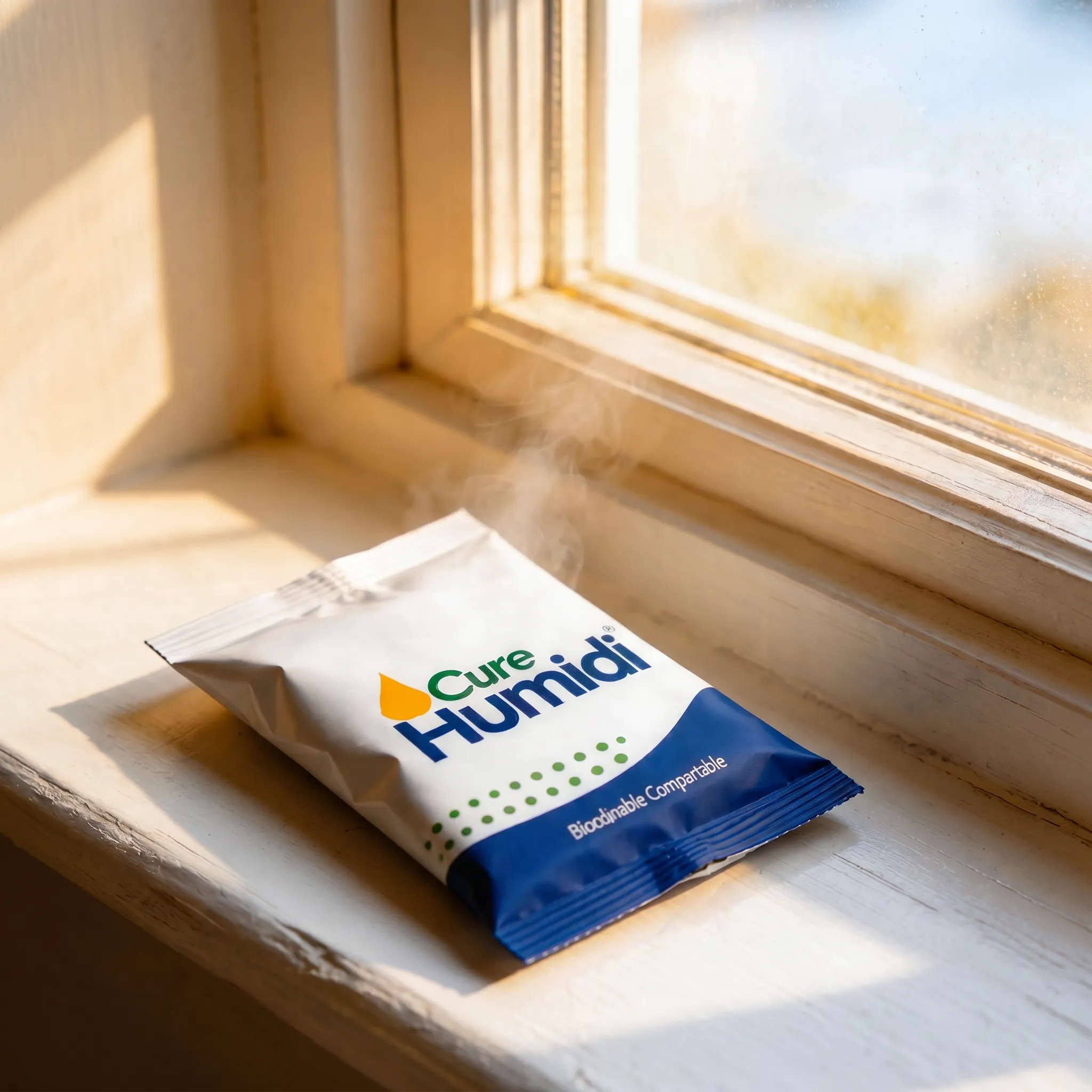
Closed spaces present unique environmental challenges that many property owners and facility managers overlook. When air cannot circulate freely, moisture accumulates rapidly, creating conditions that damage goods, compromise air quality, and foster the growth of harmful microorganisms. A calcium chloride moisture absorber offers a practical, cost-effective solution to this widespread problem. Understanding why this specific technology works so well in confined environments helps you make informed decisions about protecting your storage areas, vehicles, closets, and other enclosed spaces.
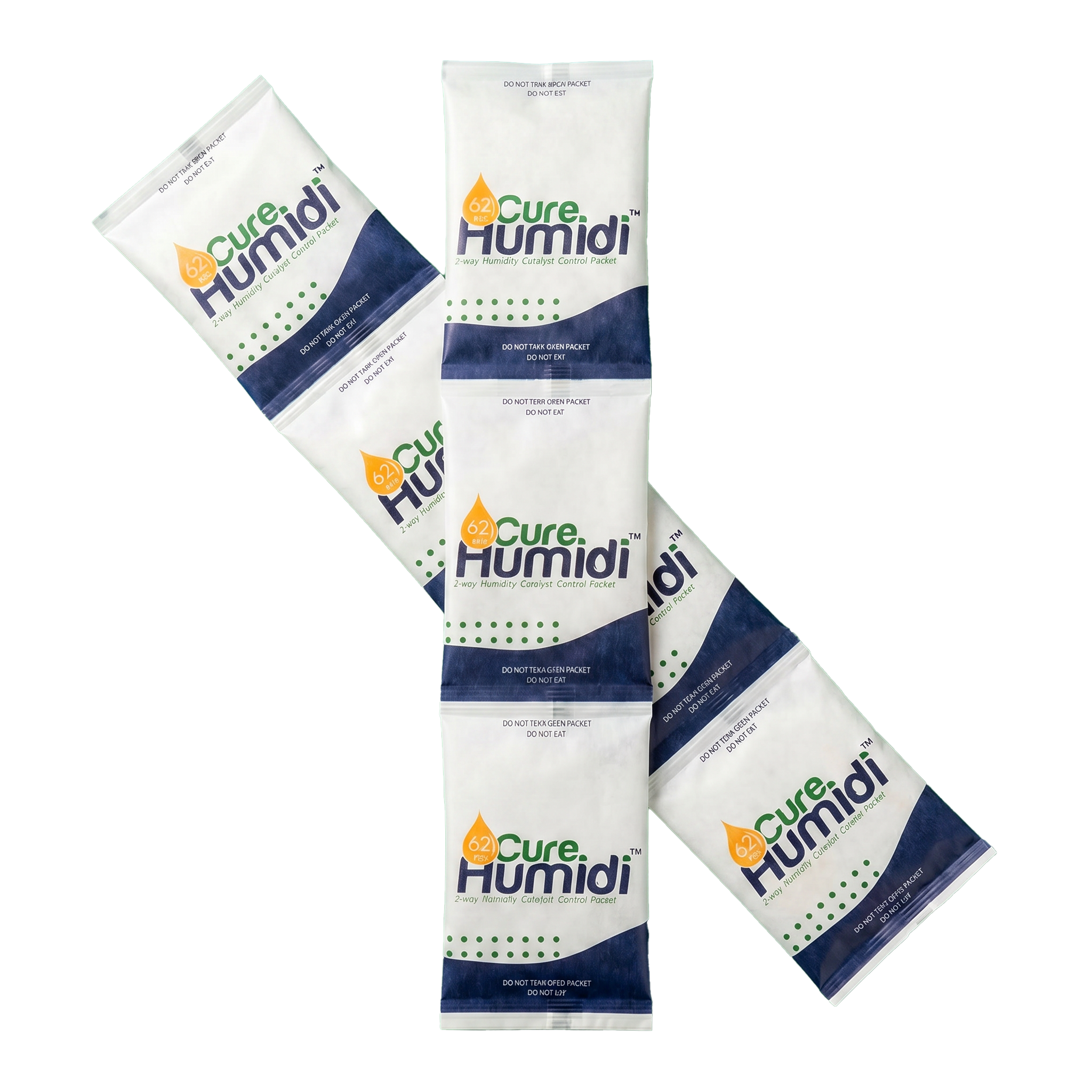
The science behind calcium chloride moisture absorber effectiveness lies in its hygroscopic properties—the material naturally attracts and binds water molecules from the air without requiring electricity or active ventilation. This passive mechanism makes calcium chloride moisture absorber an ideal choice for spaces where traditional dehumidification methods cannot be installed or where energy efficiency matters. Unlike portable dehumidifiers, a calcium chloride moisture absorber operates silently, requires no maintenance, and continues working even during power outages, making it particularly valuable for emergency preparedness and backup humidity control.
How Calcium Chloride Moisture Absorber Protects Enclosed Environments
The Problem of Trapped Humidity in Closed Spaces
Closed spaces trap moisture that has nowhere to escape. Basements, storage units, shipping containers, safes, and sealed vehicle cabins accumulate moisture from multiple sources: evaporation from materials, human occupancy, and natural humidity diffusion through walls. When this moisture cannot dissipate, it creates an environment where relative humidity climbs rapidly. High humidity in closed spaces directly threatens stored items—electronics corrode, documents fade, metal rusts, textiles develop mildew, and photographs deteriorate. A calcium chloride moisture absorber intercepts this moisture before it causes damage, maintaining humidity levels within safe ranges without requiring ventilation modifications.
Why Calcium Chloride Works Better Than Alternatives
Calcium chloride moisture absorber outperforms silica gel and other traditional desiccants in several critical ways. Calcium chloride has higher moisture absorption capacity, pulling more water vapor from the air relative to its volume. This means you need less material to achieve the same drying effect, reducing footprint and cost. Calcium chloride moisture absorber also performs effectively across a wider humidity range and temperature spectrum, making it reliable in basements, attics, vehicles, and storage areas where conditions fluctuate. Additionally, calcium chloride moisture absorber is non-toxic and safe around children and pets, unlike some industrial alternatives. The material's robust performance in humid, warm conditions makes calcium chloride moisture absorber particularly suited to challenging closed-space applications where competing solutions fail or require constant replacement.
Key Benefits of Using Calcium Chloride Moisture Absorber
Prevents Mold and Mildew Growth in Sealed Areas
Mold thrives in humid closed spaces where air stagnation prevents natural drying. Once mold colonies establish, they produce allergens and musty odors that degrade indoor air quality and trigger respiratory issues. Calcium chloride moisture absorber prevents this scenario by reducing relative humidity below the threshold where mold actively grows. By maintaining humidity below sixty percent, calcium chloride moisture absorber creates an inhospitable environment for mold spores to colonize. This preventive benefit is especially valuable in basements, crawl spaces, and enclosed garages where mold represents a persistent health and structural threat. Regular use of calcium chloride moisture absorber eliminates the need for toxic mold remediation treatments, saving money and protecting occupant wellbeing.
Extends Equipment and Inventory Lifespan
Electronic equipment, machinery, and sensitive inventory stored in closed spaces suffer accelerated degradation when exposed to high humidity. Circuit boards corrode, mechanical components develop rust, and electrical connections deteriorate. Calcium chloride moisture absorber protects these valuable assets by maintaining dry conditions that prevent oxidation and corrosion. For businesses storing expensive equipment, archived documents, collectibles, or specialized inventory, calcium chloride moisture absorber represents inexpensive insurance against costly loss. Pharmaceutical storage, art preservation, electronics warehousing, and automotive service facilities all rely on calcium chloride moisture absorber to protect their investments. The cost of deploying calcium chloride moisture absorber is negligible compared to the replacement value of damaged goods.
Provides Passive Operation Without Energy Consumption
Calcium chloride moisture absorber requires no electricity, batteries, or ongoing maintenance to function effectively. This passive operation offers significant advantages in remote locations, emergency situations, and cost-sensitive applications. Portable dehumidifiers consume substantial electrical power and generate heat, which can be problematic in small, enclosed spaces. Calcium chloride moisture absorber operates silently and continuously, making it suitable for bedrooms, closets, vehicles, and storage areas where noise and energy use create practical limitations. During power outages or when electricity access is limited, calcium chloride moisture absorber continues protecting your space without interruption, providing reliable backup humidity control that active systems cannot match.
Practical Applications and Implementation Guidance
Choosing the Right Calcium Chloride Moisture Absorber for Your Space
Different closed spaces require different deployment strategies for calcium chloride moisture absorber. Small spaces like bathroom cabinets and bedroom closets benefit from compact, single-container calcium chloride moisture absorber units that fit on shelves discreetly. Larger areas such as basements, garages, and storage units require multiple units or larger-capacity calcium chloride moisture absorber containers positioned strategically throughout the space. Vehicle cabins, boat cabins, and RVs need minimal, specialized calcium chloride moisture absorber products designed for confined spaces. Calculate the volume of your closed space and the severity of your humidity problem before selecting calcium chloride moisture absorber capacity. Most manufacturers provide sizing guidance based on cubic footage and initial humidity levels. Proper placement of calcium chloride moisture absorber directly impacts effectiveness—position units where air circulation naturally carries moisture toward the absorber.
Maintenance and Replacement of Calcium Chloride Moisture Absorber
Calcium chloride moisture absorber units require periodic inspection and eventual replacement as the material becomes saturated with captured moisture. Many calcium chloride moisture absorber products feature visual indicators that change color when saturation approaches, signaling replacement time. The lifespan of calcium chloride moisture absorber varies based on ambient humidity levels and space ventilation. In extremely humid closed spaces, calcium chloride moisture absorber may saturate within weeks. In moderately damp areas, the same unit might remain effective for several months. Dispose of saturated calcium chloride moisture absorber appropriately according to local regulations, as the material contains concentrated mineral salts. Some calcium chloride moisture absorber products are refillable, allowing you to replace only the desiccant material rather than purchasing entirely new containers, reducing long-term costs and environmental impact.
FAQ
Is calcium chloride moisture absorber safe to use around children and food storage?
Yes, calcium chloride moisture absorber is non-toxic and safe when used according to manufacturer instructions. The material does not release harmful fumes or chemicals into the air. However, keep calcium chloride moisture absorber away from direct contact with food items, and wash hands after handling the saturated material. Many manufacturers formulate calcium chloride moisture absorber specifically for residential use, including in kitchens and food storage areas. Always verify the product specifications and safety certifications before placing calcium chloride moisture absorber near food or in areas where children have direct contact.
How long does a typical calcium chloride moisture absorber last before requiring replacement?
The lifespan of calcium chloride moisture absorber depends on the humidity level and air circulation in your closed space. In mildly damp environments, a standard calcium chloride moisture absorber unit may last three to six months before saturation. In very humid closed spaces like basements during wet seasons, the same unit might saturate within four to eight weeks. Most calcium chloride moisture absorber products include saturation indicators that alert you when replacement is needed. Refillable calcium chloride moisture absorber containers allow cost-effective maintenance by simply replacing the desiccant material rather than discarding the entire unit.
Can calcium chloride moisture absorber replace a dehumidifier completely?
Calcium chloride moisture absorber works best as a primary solution for small to medium closed spaces where air stagnation is the main concern. In very large areas or spaces with extreme humidity levels, combining calcium chloride moisture absorber with a portable dehumidifier provides optimal results. For emergency backup, power-outage situations, or locations where electricity is unavailable, calcium chloride moisture absorber serves as an excellent standalone alternative. Many property managers use calcium chloride moisture absorber as a cost-effective first line of defense and deploy active dehumidification only when initial moisture control proves insufficient, creating a tiered approach that balances efficiency with effectiveness.