
 EN
EN
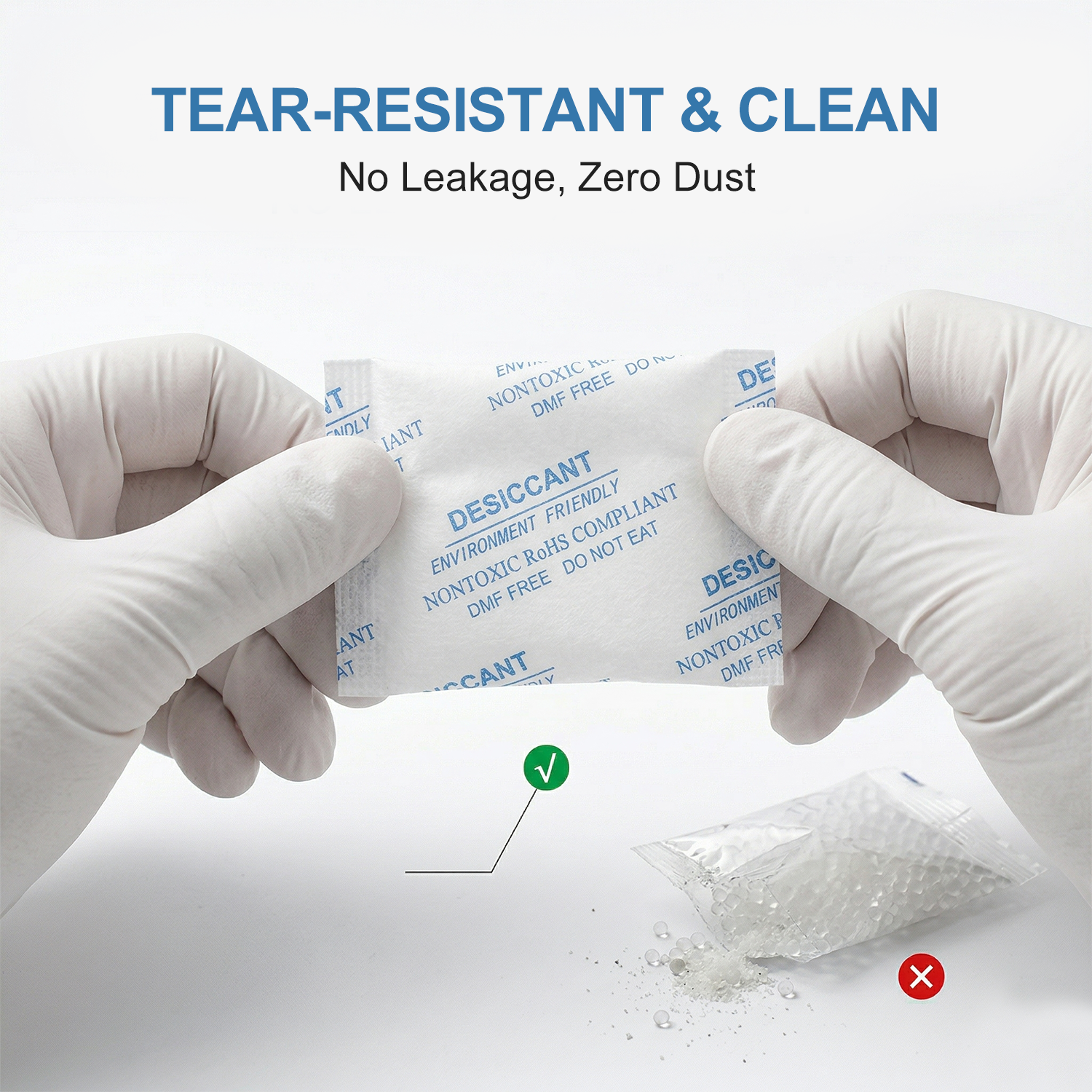
Selecting the right calcium chloride moisture absorber is critical for protecting sensitive equipment, materials, and inventory in industrial environments. Industrial facilities face constant moisture challenges that can compromise product quality, accelerate corrosion, and increase operational costs. A calcium chloride moisture absorber offers an effective, cost-efficient solution for moisture control across warehouses, manufacturing plants, shipping containers, and storage areas. However, not all calcium chloride moisture absorber products perform equally under different conditions, which is why understanding selection criteria is essential for achieving reliable humidity management and protecting valuable assets.

The process of choosing an appropriate calcium chloride moisture absorber involves evaluating multiple technical and operational factors specific to your facility's requirements. Environmental conditions, storage duration, material sensitivity, humidity levels, and budget constraints all influence which calcium chloride moisture absorber type and capacity will deliver the best results. This guide walks you through the essential selection criteria to ensure your calcium chloride moisture absorber investment delivers measurable moisture control performance and asset protection.
Understanding Calcium Chloride Moisture Absorber Specifications
Moisture Absorption Capacity and Performance Metrics
Every calcium chloride moisture absorber has a defined moisture absorption capacity, typically measured in pounds or kilograms of water per unit of desiccant. The absorption rate determines how quickly the calcium chloride moisture absorber removes moisture from the surrounding air and how much total moisture it can hold before saturation. Industrial applications require high-capacity calcium chloride moisture absorber products that can sustain performance throughout the storage period without replacement. Understanding the relationship between absorber size, environmental humidity levels, and storage duration ensures your calcium chloride moisture absorber meets demand without over-purchasing or under-performing.
Purity Grade and Chemical Composition Factors
Industrial-grade calcium chloride moisture absorber products vary in purity levels and additives, which directly affect performance and compatibility with stored materials. A high-purity calcium chloride moisture absorber minimizes contamination risk for sensitive goods, while lower-grade formulations may be suitable for general warehouse use. The chemical composition of your calcium chloride moisture absorber also influences its behavior in extreme temperatures and its resistance to caking or compaction over time. Selecting the appropriate purity grade for your calcium chloride moisture absorber prevents product degradation and ensures consistent moisture control performance throughout the storage cycle.
Environmental and Application-Specific Requirements
Temperature and Humidity Range Considerations
Industrial environments vary dramatically in temperature and relative humidity conditions, which significantly impacts calcium chloride moisture absorber effectiveness. A calcium chloride moisture absorber performs optimally within specific temperature ranges, typically 40°F to 100°F, where its absorption efficiency remains stable and consistent. Facilities with fluctuating temperatures or extreme seasonal variations require a calcium chloride moisture absorber rated for wider operating ranges to maintain reliable performance year-round. Understanding your facility's microclimate and selecting a calcium chloride moisture absorber designed for those specific conditions ensures predictable results and prevents performance degradation.
Storage Duration and Replacement Intervals
The length of time materials remain in storage directly determines how much moisture absorption capacity your calcium chloride moisture absorber must provide. Short-term storage applications may require less robust calcium chloride moisture absorber solutions, while extended warehousing demands high-capacity units designed for weeks or months of continuous operation. Many facilities use a calcium chloride moisture absorber on a rotational replacement schedule to maintain consistent drying power throughout the storage period. Calculating the total moisture load and dividing it by your calcium chloride moisture absorber capacity helps determine the proper product size and replacement frequency for cost-effective humidity management.
Selecting the Right Calcium Chloride Moisture Absorber Format and Deployment
Loose Granule Versus Contained Unit Formats
A calcium chloride moisture absorber comes in multiple formats, including loose granules, hanging packets, container systems, and integrated shelving units. Loose-granule calcium chloride moisture absorber products offer maximum surface area for moisture absorption but require containment and careful handling to prevent spills. Packaged calcium chloride moisture absorber units provide convenience, reduced mess, and easier installation, making them ideal for containerized shipments and enclosed storage areas. The format you choose for your calcium chloride moisture absorber deployment depends on facility layout, accessibility requirements, and operational workflows that govern how the product will be installed and monitored.
Installation Location and Air Circulation Optimization
The placement of your calcium chloride moisture absorber directly affects its ability to remove moisture from the storage environment. Strategic positioning of calcium chloride moisture absorber units in high-humidity zones, near exterior walls, and in areas with poor air movement maximizes absorption efficiency. Multiple smaller calcium chloride moisture absorber units distributed throughout a large warehouse often outperform a single centralized unit by ensuring broader moisture extraction across the facility. Proper spacing and elevation of calcium chloride moisture absorber products improve air circulation around the desiccant, accelerating moisture removal and extending the effective working life of each unit.
Cost-Effectiveness and Performance Monitoring
Budget Optimization and Total Cost of Ownership
While calcium chloride moisture absorber products represent an upfront investment, their cost-effectiveness must be evaluated against the potential cost of moisture damage to stored materials. High-quality calcium chloride moisture absorber solutions prevent product degradation, corrosion, mold growth, and packaging damage that would far exceed the desiccant cost. Bulk purchasing and seasonal procurement of calcium chloride moisture absorber inventory often reduce per-unit costs while ensuring continuous availability. Comparing the total cost of ownership, including replacement frequency and labor for your calcium chloride moisture absorber management, reveals the true financial value of investing in a reliable moisture control solution.
Monitoring Saturation and Replacement Scheduling
Many calcium chloride moisture absorber products include color-indicator systems that signal saturation and indicate replacement timing. Regular inspection of your calcium chloride moisture absorber units ensures you replace them before they reach maximum capacity and lose effectiveness. Some advanced calcium chloride moisture absorber systems include humidity sensors that trigger alerts when moisture levels exceed acceptable thresholds. Implementing a consistent monitoring schedule for your calcium chloride moisture absorber investment maintains peak performance and prevents unexpected product failures that could compromise stored inventory.
FAQ
What is the typical absorption capacity of a standard calcium chloride moisture absorber unit?
A standard industrial-grade calcium chloride moisture absorber unit typically absorbs 1 to 2 pounds of moisture per pound of desiccant, depending on the specific formulation, environmental humidity levels, and temperature conditions. Larger or concentrated calcium chloride moisture absorber products designed for heavy-duty applications can exceed these baseline absorption rates. The actual performance of your calcium chloride moisture absorber depends on proper placement, adequate air circulation, and operating conditions within the absorber's rated temperature range.
Can a calcium chloride moisture absorber be reused after saturation?
Traditional calcium chloride moisture absorber products are single-use and must be replaced after saturation, as the desiccant loses effectiveness once it reaches maximum moisture absorption capacity. Some advanced calcium chloride moisture absorber formulations can be regenerated through heating, though this requires specialized equipment and processing. For most industrial applications, using fresh calcium chloride moisture absorber units on a regular replacement schedule is more practical and cost-effective than attempting regeneration.
How long does a calcium chloride moisture absorber remain effective in a sealed container?
The lifespan of a calcium chloride moisture absorber in a sealed container depends on the initial humidity level, temperature stability, and the total moisture load it must manage. In typical shipping containers with high initial humidity, a calcium chloride moisture absorber may remain active for 30 to 60 days before saturation occurs. In climate-controlled warehouses with moderate humidity, a single calcium chloride moisture absorber unit can maintain effectiveness for several months. Selecting the proper capacity for your calcium chloride moisture absorber ensures it continues protecting your goods throughout the intended storage period.