স্টার্চ পরিবহনে আর্দ্রতা নিয়ন্ত্রণের গুরুত্ব এবং চালের কনটেইনার পরিবহন
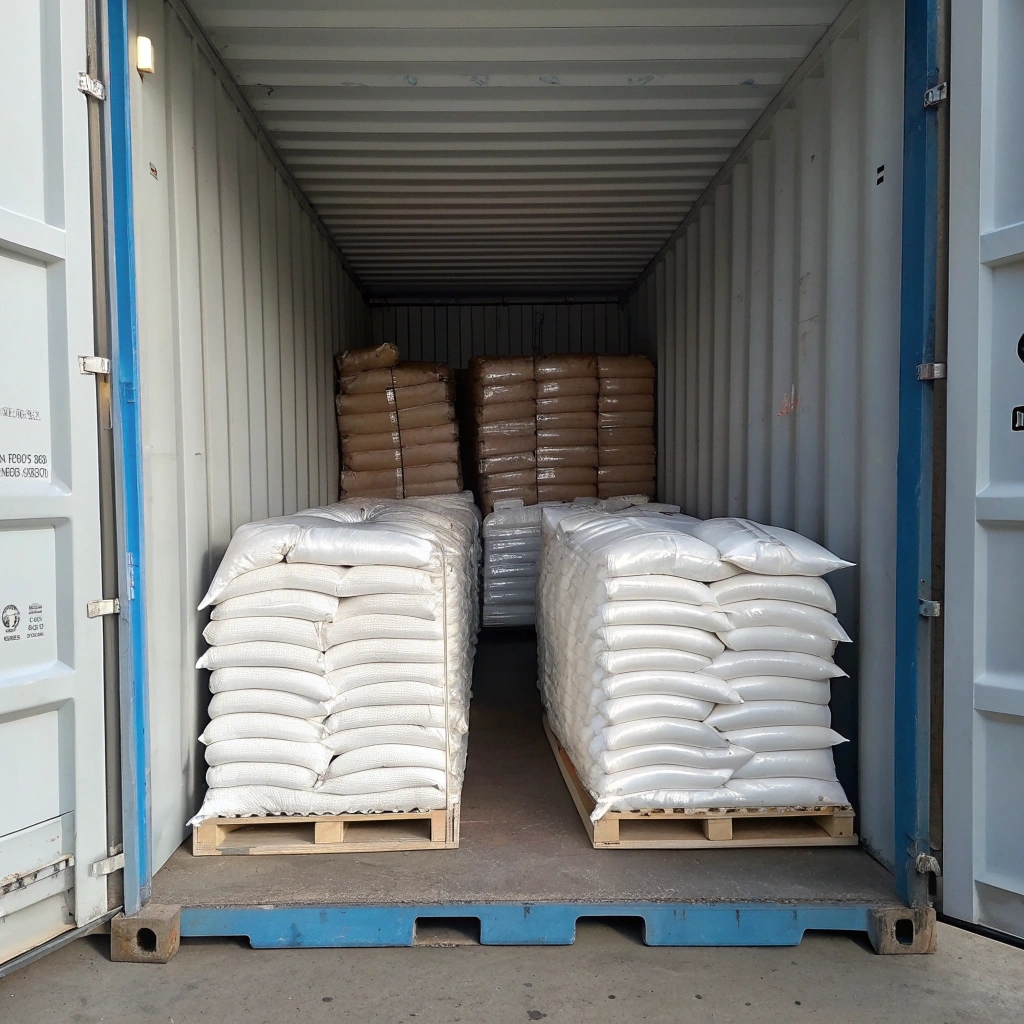
স্টার্চ ও চাল বহনকারী কনটেইনারগুলিতে উপযুক্ত আর্দ্রতা বজায় রাখা পণ্যের গুণমান এবং অর্থনৈতিক দক্ষতার জন্য অপরিহার্য। স্টার্চ এবং মিল করা চাল পরিবহনের সময় আর্দ্রতা ছাড়ে। সমুদ্রে তাপমাত্রার ব্যাপক পরিবর্তন ঘটায় কনটেইনারের ছাদ এবং দেয়ালে আর্দ্রতা ঘনীভূত হয়। ঘনীভূত জল বস্তার এবং প্যালেটের উপর ফোঁটা ফোঁটা করে পড়ে, যার ফলে কেকিং, ছত্রাক, রঙ পরিবর্তন এবং কার্যকারিতা হারানোর ঝুঁকি বাড়ে। দীর্ঘ যাত্রার সময় তরল জলের ক্ষুদ্র পরিমাণও অণুজীবের বৃদ্ধির ঝুঁকি উল্লেখযোগ্যভাবে বাড়িয়ে দেয়। কার্যকর আর্দ্রতা ব্যবস্থাপনা পণ্যের অখণ্ডতা রক্ষা করে এবং প্রত্যাখ্যান, পুনঃপ্রক্রিয়াকরণ এবং বর্জ্য ব্যয় হ্রাস করে।
আনুষাঙ্গিক কনডেনসেশন প্রতিরোধের পদ্ধতির সীমাবদ্ধতা
ঐতিহ্যবাহী ঘনীভবন প্রতিরোধের ব্যবস্থাগুলির সুস্পষ্ট সীমাবদ্ধতা রয়েছে। মেঝেতে রাখা শোষক ব্যাগগুলি দ্রুত স্যাচুরেট হয়ে যেতে পারে এবং ছাদের দিকে উঠে আসা বাষ্পকে আটকাতে ব্যর্থ হতে পারে। সমুদ্রের মাঝে ভেন্টিং করা সম্ভব নয় এবং এটি আর্দ্র বাতাসকে কনটেইনারের ভিতরে প্রবেশ করতে দিতে পারে। শীতাগারযুক্ত কনটেইনারগুলি তাপমাত্রার পরিবর্তন রোধ করে, কিন্তু এটি উল্লেখযোগ্য খরচ ও শক্তি ব্যবহার বাড়িয়ে দেয়। জলের বাটি বা অস্থায়ী শোষকের মতো নিষ্ক্রিয় ব্যবস্থাগুলি অসঙ্গত ফলাফল দেয় এবং ছাদে ফোঁটা জমে মালপত্রের উপর পড়া থেকে রোধ করতে পারে না। সংক্ষেপে, অনেক আধুনিক পদ্ধতি ছাদে ঘনীভবন রোধ করতে পারে না অথবা এগুলি উচ্চ শক্তি ও পরিচালন খরচ দাবি করে।
3. IHumi সমাধান: ফাইবার শোষক
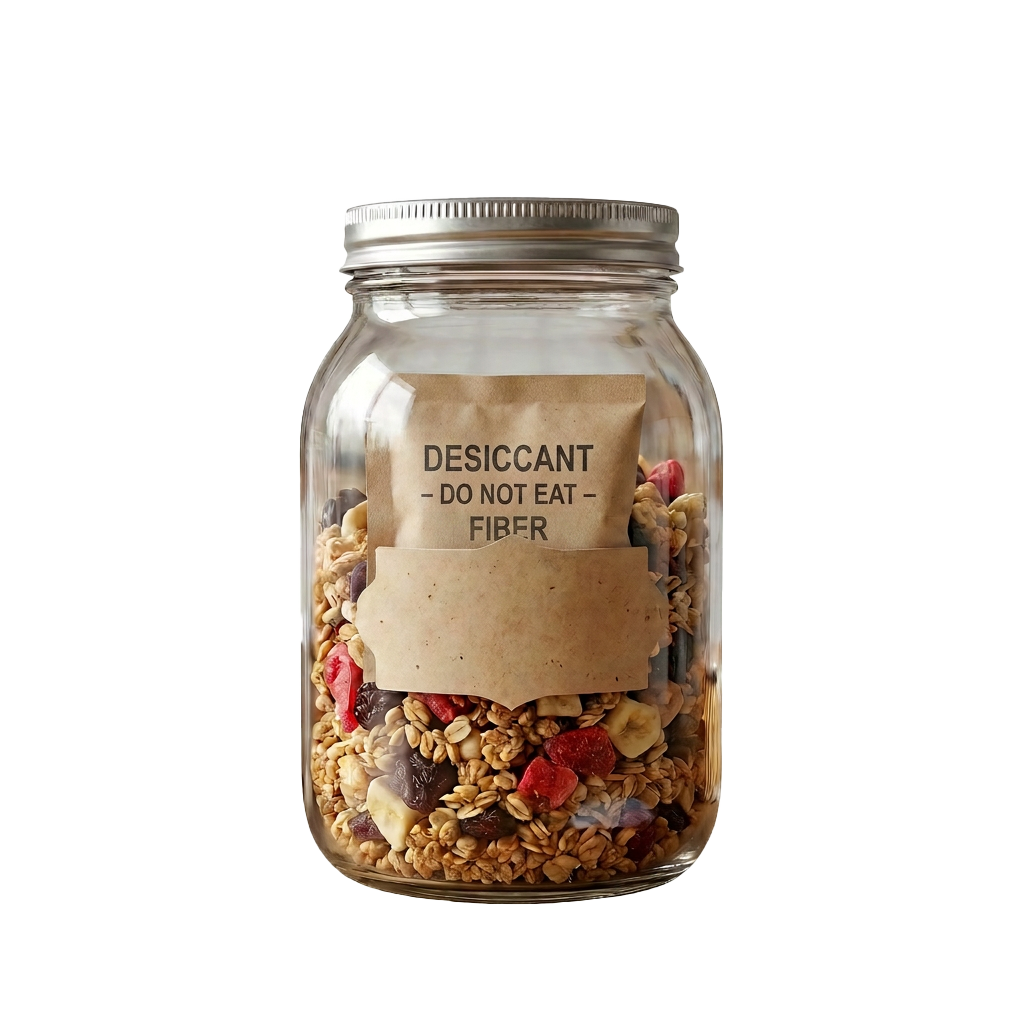
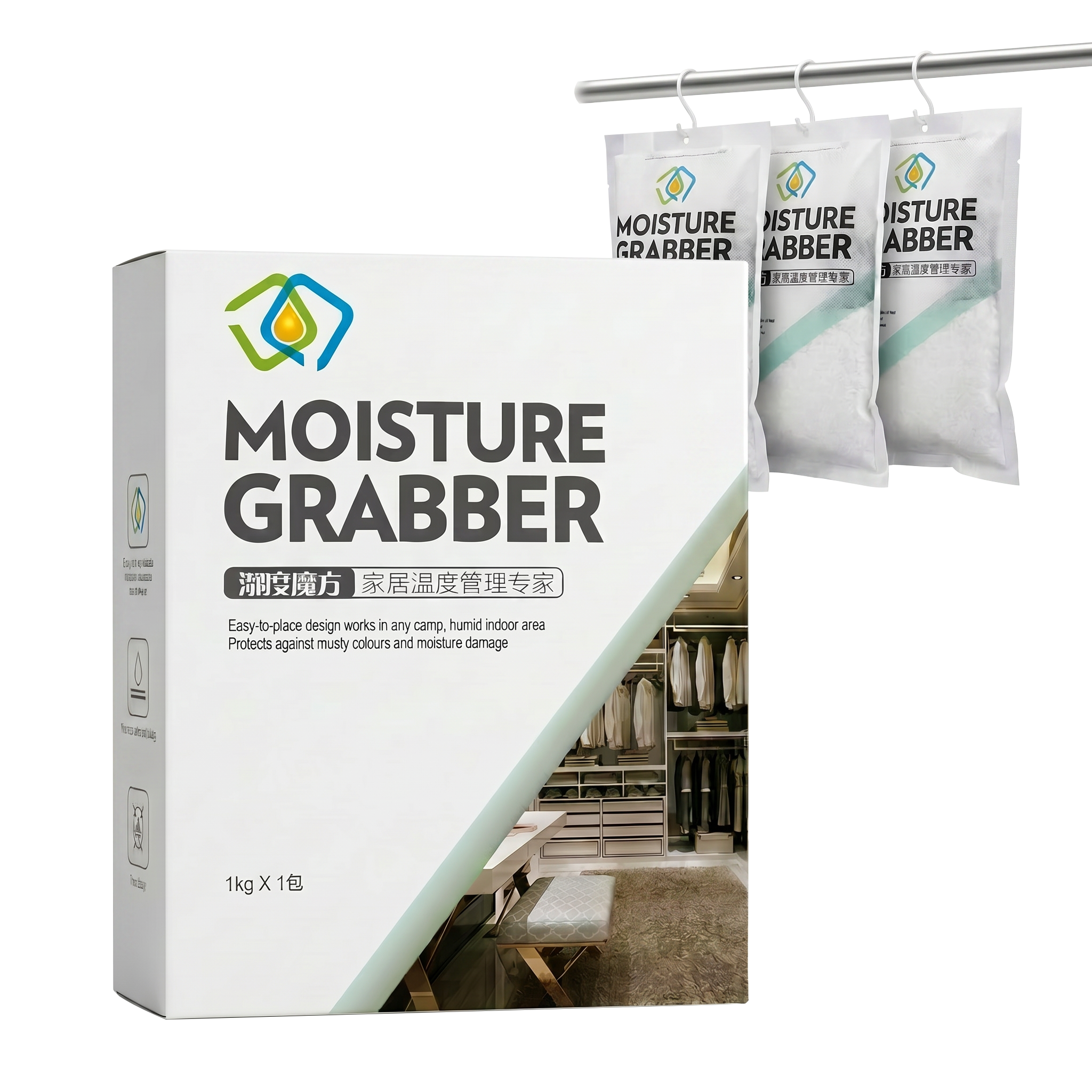
আইহিউমি (IHumi) ফাইবার-ভিত্তিক বিপর্যয়যোগ্য শুষ্ককারী প্রযুক্তি ব্যবহার করে দুটি কন্টেইনার সমাধান প্রদান করে। প্রথম বিকল্প হলো ঝুলানো হওয়া ফাইবার ডিসিক্যান্ট প্যাকগুলি। প্রতিটি প্যাকের ওজন এক কিলোগ্রাম এবং এগুলি কন্টেইনারের ছাদ থেকে ঝুলানো হয় যাতে উত্তপ্ত আর্দ্র বাতাস ছাদের দিকে উঠে আসার সময় এগুলি তা আটকাতে পারে। বিশেষজ্ঞদের সুপারিশকৃত পরিমাণ হলো বিশ ফুট কন্টেইনারের জন্য চার থেকে ছয় কিলোগ্রাম এবং চল্লিশ ফুট কন্টেইনারের জন্য আট থেকে বারো কিলোগ্রাম। ফাইবার উপাদানটির উচ্চ শোষণ ক্ষমতা রয়েছে, এটি ধূলিকণা বা ক্ষুদ্র কণা ছড়ায় না এবং বিদ্যুৎ ছাড়াই কাজ করে। ঝুলানো প্যাকগুলি উত্তপ্ত সময়ে বাষ্প শোষণ করে এবং আর্দ্রতাকে স্থিতিশীল রূপে ধরে রাখে যাতে তা ঘনীভূত হয়ে টপকে না পড়ে।
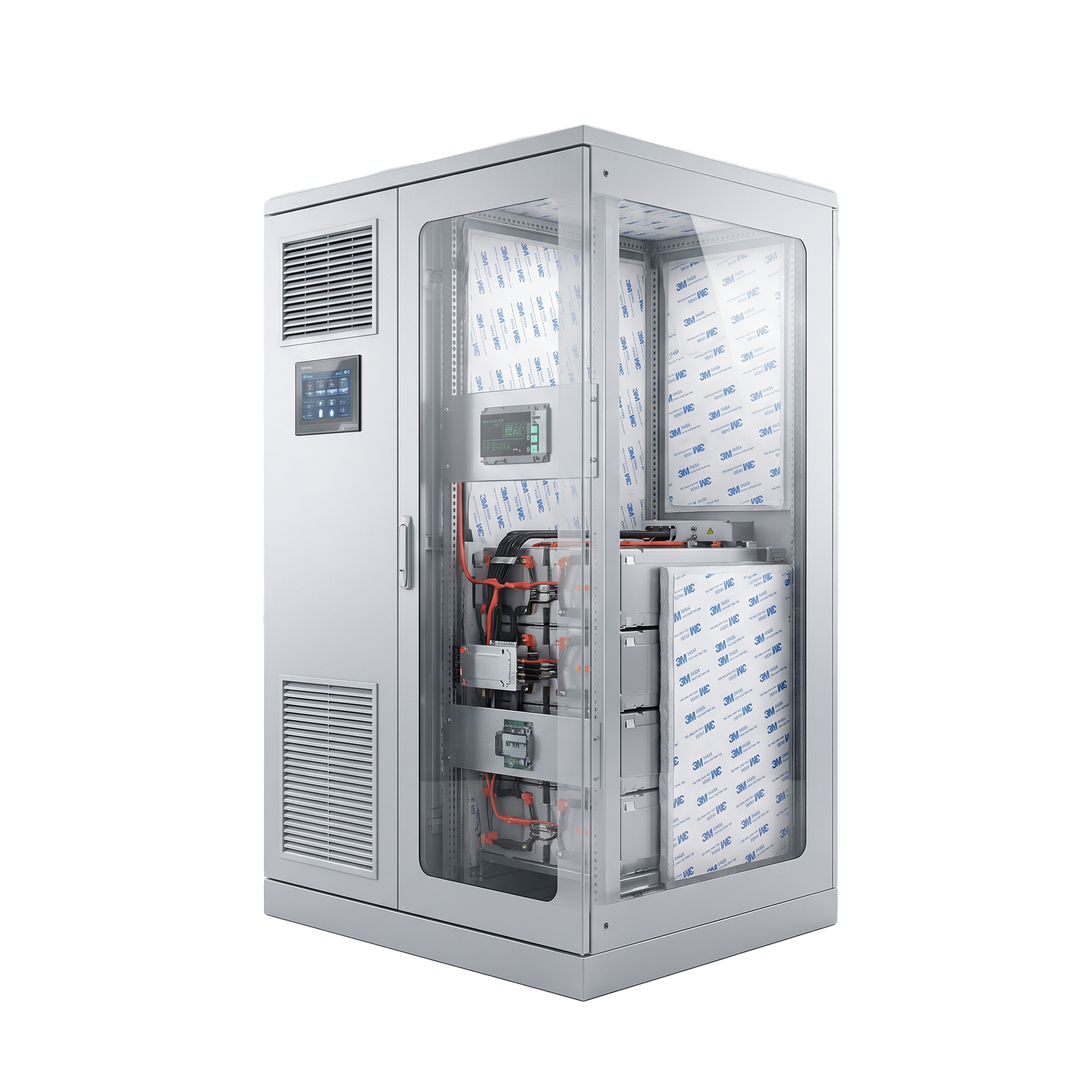
দ্বিতীয় বিকল্পটি হল ভাঁজ করা ফাইবার ড্রাইয়িং ম্যাট দিয়ে ছাদের আচ্ছাদন। প্রতিটি ম্যাট গ্রুপের ওজন প্রায় তিন কিলোগ্রাম এবং ছাদের লাইনারের নিচে অভ্যন্তরীণ ছাদের উপর ছড়িয়ে দেওয়া হয়। বিশ ফুট কনটেইনারের জন্য দুটি থেকে তিনটি গ্রুপ এবং চল্লিশ ফুট কনটেইনারের জন্য চার থেকে ছয়টি গ্রুপ ব্যবহার করা প্রস্তাবিত। একটি ধারাবাহিক ড্রাইয়িং স্তর যেখানে আর্দ্রতা তৈরি হয় সেখানেই তা শোষণ করে এবং নীচের লোডগুলির উপর ফোঁটা জমে পড়া থেকে রোধ করে। যেখানে স্ট্যাকের উপরের অংশের সুরক্ষা অত্যন্ত গুরুত্বপূর্ণ, সেখানে পূর্ণ প্যালেট লোডের জন্য এই বিন্যাসটি বিশেষভাবে কার্যকর।
সর্বোত্তম কর্মক্ষমতার জন্য IHumi ফাইবার ড্রাইয়িং ম্যাটকে সঠিক লোডিং পদ্ধতির সাথে একত্রিত করুন। পৃষ্ঠের আর্দ্রতা কমাতে মালপত্রের পূর্ব-অবস্থা প্রস্তুত করুন এবং ঠাণ্ডা কনটেইনারে গরম ও ভেজা পণ্য লোড করা এড়িয়ে চলুন। আর্দ্র বাতাসের প্রবেশকে কমাতে লোড করার আগে কনটেইনারের সিল এবং লাইনারগুলি পরীক্ষা করুন। যাত্রাকালীন অবস্থা পর্যবেক্ষণ করতে একাধিক অঞ্চলে সাধারণ আর্দ্রতা সূচক বা ডেটা লগার স্থাপন করুন। নির্দেশিকা এবং পর্যবেক্ষিত স্যাচুরেশন লেভেল অনুযায়ী যাত্রার মধ্যে ড্রাইয়িং ম্যাট প্রতিস্থাপন করুন।
4. উপসংহার
আইহুমি ফাইবার শোষক সমাধানগুলি তার উৎসে এবং কনটেইনারের বায়ুমণ্ডলে ঘনীভবনের গঠন হ্রাস করে। ঝুলন্ত প্যাক এবং ছাদের ম্যাটগুলি বাষ্পীভূত বাষ্পকে দ্রুত ধারণ করে এবং স্টার্চ ও চালের ক্ষেত্রে ফোঁটা পড়ার ক্ষতি রোধ করে। নিষ্ক্রিয় ফাইবার উপকরণগুলি উচ্চ ধারণক্ষমতাসম্পন্ন, বাহ্যিক প্যাকেজিংয়ে খাদ্য-নিরাপদ এবং প্রমিত কনটেইনার লোডিং পদ্ধতিতে স্থাপন করা সহজ। স্টার্চ ও চালের রপ্তানিকারকদের জন্য যারা নির্ভরযোগ্য এবং কম রক্ষণাবেক্ষণযোগ্য আর্দ্রতা সুরক্ষা খুঁজছেন, আইহুমি এমন একটি প্রমাণিত বিকল্প প্রদান করে যা ক্ষয়ক্ষতি কমায় এবং আরও টেকসই যোগান শৃঙ্খলকে সমর্থন করে।
কপিরাইট © ২০২৬ শাংহাই হেংযুয়ান ম্যাক্রোমলিকিউলার ম্যাটেরিয়ালস কো., লিমিটেড। সর্বস্বত্ব সংরক্ষিত। - গোপনীয়তা নীতি
 EN
EN