1.The Importance of Humidity for Wooden Instruments
Musical instruments made of wood, such as the guqin, violin, and guitar, are living materials that constantly interact with the air around them. The wood cells expand when humidity rises and shrink when the air becomes dry. These changes may lead to cracks, warping, or sound distortion. For the guqin in particular, its half-sealed lacquer body leaves much of the wood surface directly exposed to air, making it highly sensitive to humidity changes. The ideal humidity for preservation is between 45 and 55 percent. Long-term exposure below 35 percent may cause cracks, while excessive humidity may soften the wood fibers and dull the tone.
2.Challenges with Traditional Preservation Methods
For centuries, instrument owners have relied on traditional ways to manage humidity, such as placing bowls of water near heaters in dry seasons or using desiccant in humid climates. While these methods are simple, they often lack precision and stability. The indoor humidity can fluctuate dramatically between day and night or across seasons. In northern regions, heating during winter may reduce humidity to as low as 10 percent, while southern rainy seasons often push it above 80 percent. Such variations easily damage fine instruments. Conventional humidifiers can also create uneven moisture or leave mineral residues, which are unsuitable for long-term storage.
3.The IHumi Solution: Two-Way Smart Regulation
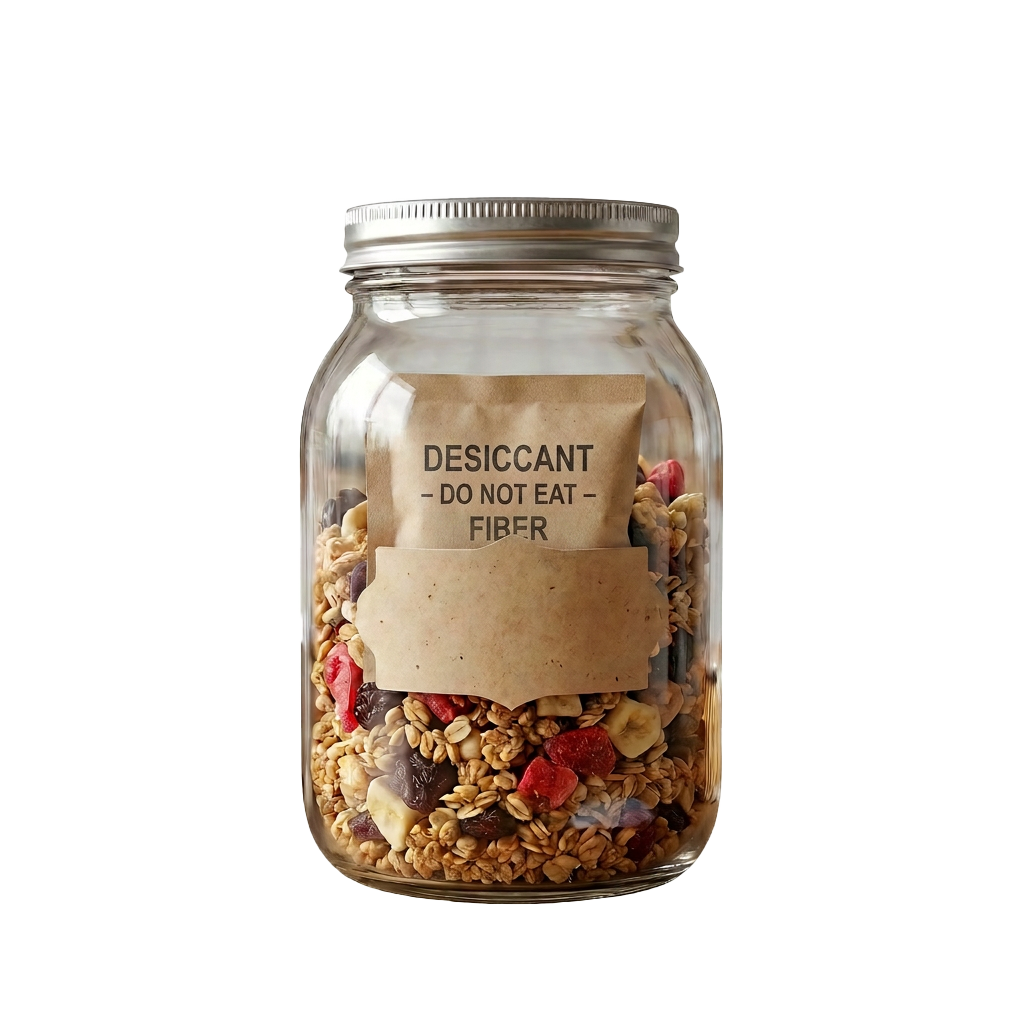
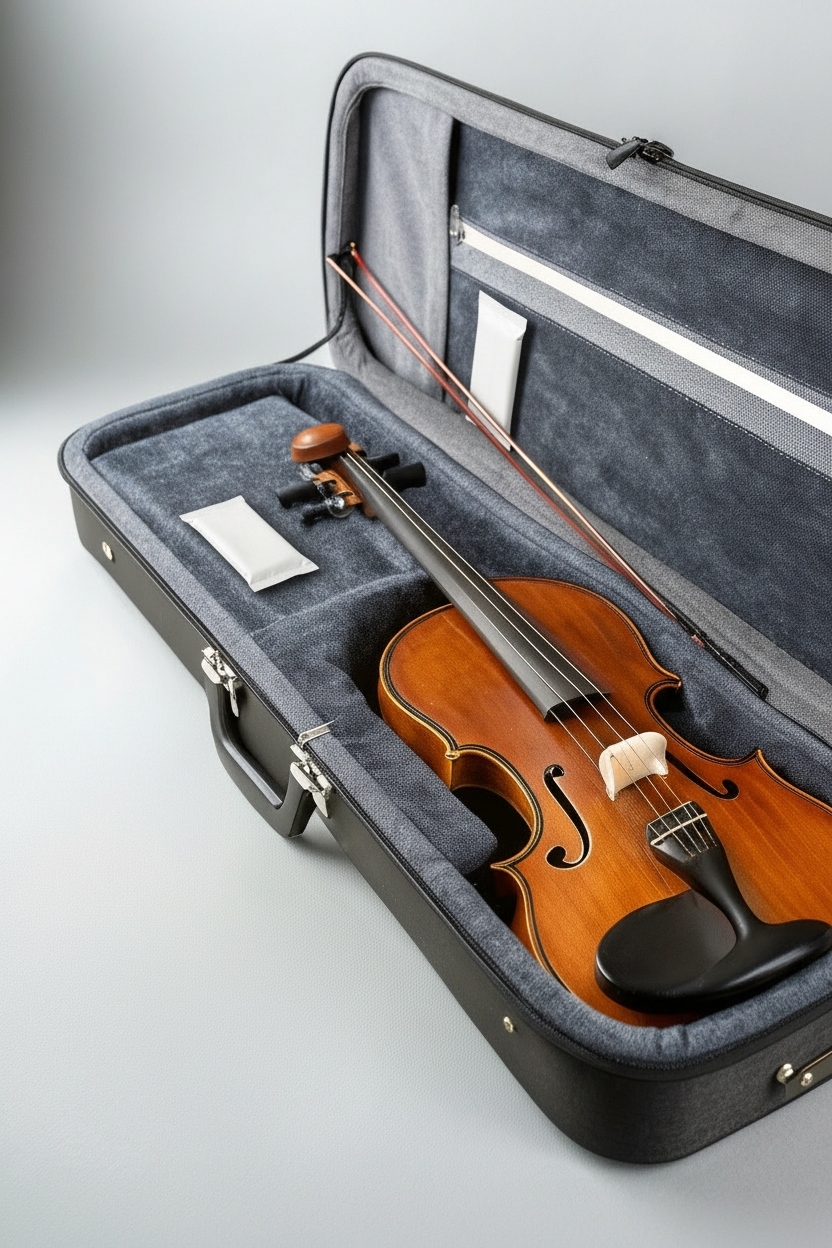
IHumi provides a modern science based alternative to traditional humidity control by combining intelligent design with advanced materials. Using a balanced two way regulation mechanism, IHumi absorbs excess moisture when the air is too humid and releases moisture when the air becomes too dry, keeping the environment stable without power or frequent maintenance. Central to this approach is the IHumi 49% fiber humidity pack, a targeted product designed to maintain a set point of 49 percent relative humidity in enclosed instrument spaces. The pack uses the same reversible fiber material, absorbing moisture above the set point and releasing moisture below it, to deliver gentle continuous regulation. The fiber form contains no dust or particles and the card shaped packs integrate easily into cases, cabinets, and display environments. This passive balancing action is ideal for delicate wooden instruments such as the guqin, because it preserves both structural integrity and acoustic quality while requiring minimal upkeep.
4.Practical Benefits for Musicians and Collectors
By using IHumi, instrument owners can create a reliable microclimate that protects their instruments year-round. It prevents cracking during dry winters and reduces mold risk in damp seasons. Unlike electronic devices, IHumi operates silently and requires no electricity, making it ideal for display cases, instrument boxes, or music rooms. Many guqin enthusiasts and professional players have found that a stable humidity environment not only extends the lifespan of their instruments but also keeps the tone rich and resonant through every season.
5.Conclusion
Preserving an instrument is more than protecting its appearance; it is about maintaining its voice and spirit. IHumi brings modern humidity management to this ancient art, offering precise control rooted in science and respect for tradition. With IHumi, every musician can safeguard the harmony between nature, craftsmanship, and sound.
Copyright © 2026 Shanghai Hengyuan Macromolecular Materials co., Ltd. All rights reserved. - Privacy Policy

 EN
EN