
 EN

Moisture represents one of the most significant threats to electronic device longevity and performance. When humidity penetrates sensitive components, it creates corrosion, short circuits, and premature failure that compromise both functionality and safety. Desiccant packages serve as a critical defense mechanism, actively absorbing moisture within sealed environments to maintain optimal conditions for electronics. Understanding why desiccant packages are essential helps manufacturers, distributors, and end-users protect their investments in technology infrastructure.
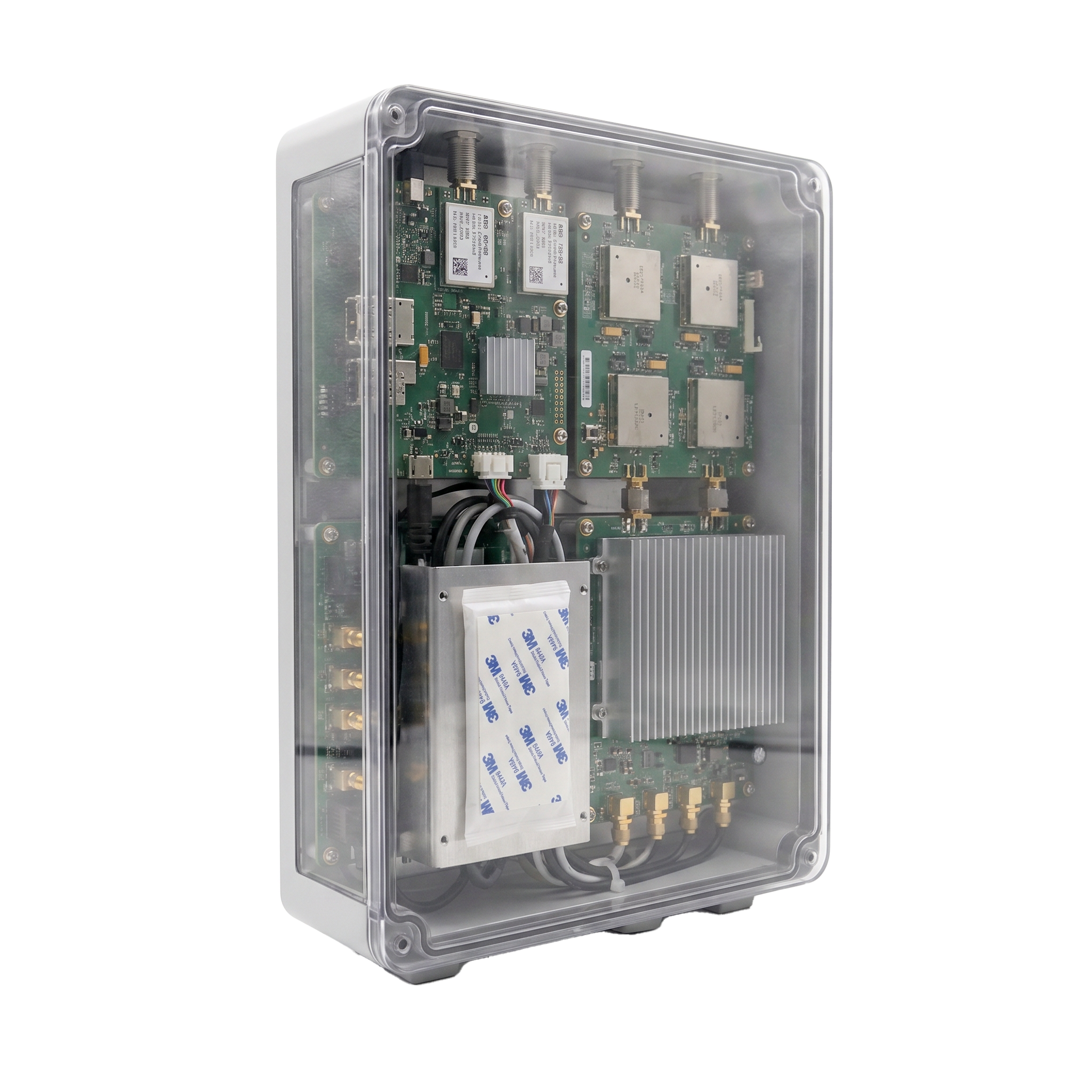
The electronics industry operates within strict moisture tolerances because even small quantities of water vapor can trigger catastrophic failures. Desiccant packages work by creating a controlled microenvironment that prevents condensation and absorbs ambient moisture before it reaches sensitive circuitry. This passive protection method has become the industry standard for shipping, storage, and operational protection across semiconductors, telecommunications equipment, medical devices, and consumer electronics.
The Moisture Problem in Electronics Manufacturing and Storage
How Humidity Damages Electronic Components
Electronic devices contain intricate circuits with micron-scale features where even microscopic water droplets cause significant damage. Moisture accelerates oxidation of metal traces and solder joints, creating resistance that disrupts electrical signals. When humidity levels exceed 40% relative humidity, corrosion becomes visible within weeks, and at higher levels, damage occurs rapidly. Desiccant packages prevent this deterioration by maintaining humidity below critical thresholds, typically targeting 10–20% relative humidity inside sealed containers.
The cost of moisture-related failures extends beyond the immediate device loss. Warranty claims, logistics disruptions, and reputation damage multiply the financial impact when defective electronics reach customers. Industries handling high-value components such as semiconductors, aerospace electronics, and telecommunications infrastructure depend on desiccant packages to ensure that products arrive in factory condition, ready for immediate deployment.
Environmental Conditions That Increase Moisture Risk
Tropical climates, coastal regions, and humid industrial environments create elevated moisture exposure during manufacturing, warehousing, and transportation. Temperature fluctuations cause condensation inside sealed packages when warm, humid air cools rapidly. Desiccant packages become particularly critical in these challenging conditions, where ambient humidity routinely exceeds 70% relative humidity. Without active moisture absorption, electronic products intended for hot, humid markets face unacceptably high failure rates.
Seasonal variations also influence moisture risk. Storage facilities without climate control experience significant humidity swings that create condensation cycles. Desiccant packages provide consistent protection regardless of external conditions, making them invaluable for warehouse operations in regions without temperature and humidity management infrastructure.
How Desiccant Packages Protect Electronics Through Moisture Absorption
Mechanism of Moisture Absorption and Control
Active desiccant packages contain materials such as silica gel, calcium oxide, or molecular sieves that chemically bind water molecules from the surrounding air. These materials have enormous surface areas at the molecular level, allowing them to absorb moisture without releasing water back into the environment. The absorption capacity of desiccant packages determines how long they remain effective, typically ranging from weeks to months depending on material type and environmental moisture exposure.
The physics of desiccation relies on vapor pressure differential. Water molecules naturally migrate from areas of higher moisture concentration toward materials with strong binding affinity for water. Desiccant packages exploit this principle by creating a moisture gradient that continuously draws humidity away from sensitive electronics. As long as the desiccant material retains absorptive capacity, it actively protects the enclosed components.
Types of Desiccant Materials and Their Applications
Silica gel represents the most common desiccant material for consumer and industrial applications because of its high absorption capacity, reusability, and cost-effectiveness. Calcium oxide offers more aggressive moisture absorption for extreme conditions but cannot be recharged. Molecular sieves provide precise humidity control for applications requiring specific relative humidity targets. Desiccant packages containing these materials are engineered into sachets, canisters, and cartridges sized to match container volumes and moisture exposure levels.
Manufacturers select desiccant materials based on required protection duration, acceptable cost, and specific electronic components being protected. High-value semiconductors and medical devices often use premium molecular sieves, while standard consumer electronics rely on cost-effective silica gel desiccant packages. The choice of material directly impacts product cost and protection effectiveness.
Critical Applications Where Desiccant Packages Are Non-Negotiable
Semiconductor Manufacturing and Semiconductor Device Distribution
Semiconductor wafers and finished integrated circuits represent extremely high-value products where moisture damage translates directly to substantial financial loss. Desiccant packages are mandatory in semiconductor packaging standards, typically placed within moisture-barrier bags alongside chips destined for distribution. During long-distance shipping and storage in diverse climates, these desiccant packages ensure that semiconductor devices maintain their performance specifications and manufacturing integrity.
Semiconductor manufacturers implement strict protocols requiring replacement of desiccant packages at regular intervals to maintain protection standards. This practice reflects the critical importance of moisture control in semiconductor yield and reliability. Any compromise in desiccant effectiveness directly increases defect rates in semiconductor production facilities.
Telecommunications Infrastructure and 5G Equipment
Telecommunications base stations, RF modules, and network equipment operate in outdoor environments where moisture exposure is continuous and severe. Desiccant packages protect the internal components of these expensive installations throughout their deployment lifespan. Base station enclosures and equipment boxes incorporate desiccant packages as permanent installations, providing ongoing protection against ambient humidity that would otherwise degrade electrical performance and cause operational failures.
The scale of telecommunications infrastructure means that moisture-related failures affect network reliability across entire regions. Desiccant packages prevent service interruptions by maintaining equipment performance under challenging environmental conditions. Network operators depend on continuous desiccant protection to sustain uptime requirements and service quality commitments.
Medical Devices and Diagnostic Equipment
Medical devices require exceptional reliability because their failures directly impact patient safety and clinical outcomes. Surgical instruments, diagnostic equipment, and portable medical devices all contain sensitive electronics vulnerable to moisture damage. Desiccant packages are integrated into medical device packaging to ensure that equipment arrives at healthcare facilities in optimal condition and maintains performance during storage and use.
Regulatory standards for medical device storage and transportation explicitly reference moisture control requirements. Desiccant packages enable manufacturers and distributors to meet these compliance requirements while protecting their products from environmental degradation. The investment in effective desiccant packages translates into regulatory confidence and device reliability.
FAQ
How long do desiccant packages remain effective at protecting electronics?
The effectiveness duration of desiccant packages depends on material type, package size, and environmental moisture levels. Standard silica gel desiccant packages typically maintain adequate absorption capacity for 3–6 months in normal conditions, while sealed containers with desiccant packages can protect electronics for years if humidity exposure remains limited. Moisture indicators embedded in many desiccant packages show when saturation occurs, signaling that replacement is necessary for continued protection.
Can desiccant packages be reused after they become saturated?
Most silica gel desiccant packages can be reactivated by heating to drive off absorbed moisture, allowing reuse for multiple protection cycles. However, reactivated desiccant packages typically show reduced absorption capacity compared to new material, and industrial applications usually specify fresh desiccant packages for critical protection. Calcium oxide desiccant packages cannot be reactivated and must be replaced once saturated, making them suitable primarily for single-use applications.
Are desiccant packages necessary for electronics stored in climate-controlled environments?
Even in climate-controlled warehouses, desiccant packages provide valuable additional protection because indoor humidity can still fluctuate above ideal levels, especially when doors open frequently or temperature control systems experience maintenance. Desiccant packages create an extra layer of insurance that protects high-value electronics from unexpected environmental conditions. For semiconductors and expensive network equipment, manufacturers consider desiccant packages essential regardless of warehouse climate control, reflecting the importance of moisture protection in ensuring product reliability.