
 EN
EN
A megfelelő szálas szárítószer ipari alkalmazásához való szárítószer kiválasztása döntő fontosságú lépés, amely közvetlenül befolyásolja a termék minőségét, eltarthatóságát és az üzemelés hatékonyságát. A rostos szárítószer-piacon számos lehetőség áll rendelkezésre, mindegyiket specifikus teljesítményjellemzőkkel és költségprofilokkal tervezték, hogy különböző ipari igényeket elégítsenek ki. Annak megértése, hogyan értékeljük és válasszuk ki a megfelelő rostos szárítószert, biztosítja, hogy érzékeny termékek , szabályozási előírásoknak megfelelő működést biztosítsunk, és optimalizáljuk ellátási láncunk beruházásait. Ez a részletes útmutató végigvezeti Önt a lényeges kiválasztási kritériumokon, a teljesítményt meghatározó tényezőkön és a gyakorlati döntéshozatali folyamaton, amelyeket az ipari vásárlók és mérnökök alkalmaznak rostos szárítószer-megoldások értékelésekor.
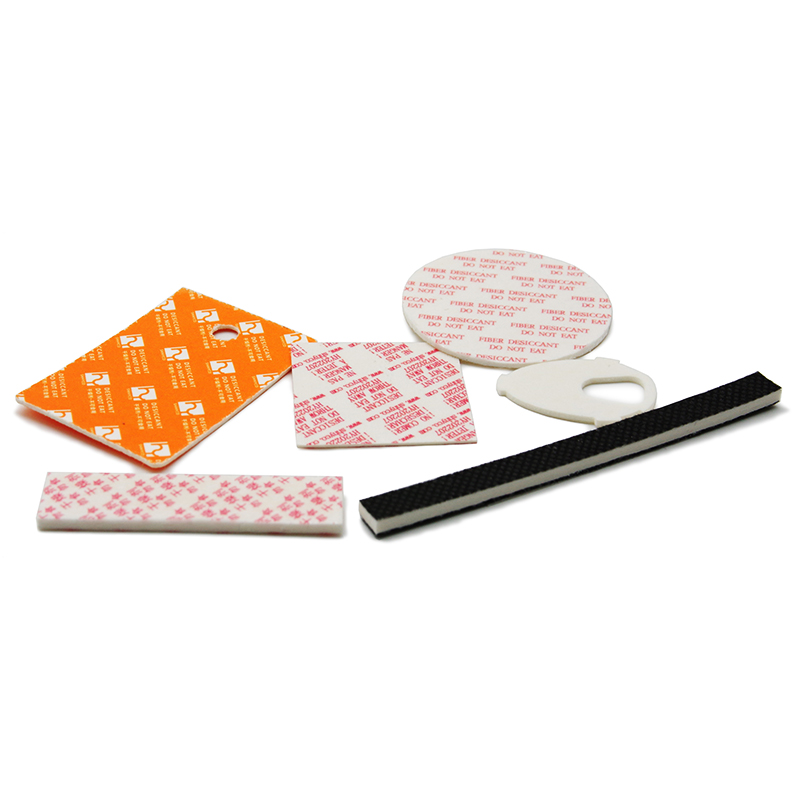
A rostszál-szárítószer-kategória több kémiai összetételben különböző anyagot foglal magában, amelyek mindegyike egyedi nedvességfelvételi képességgel, aktiválási feltételekkel és környezeti toleranciával rendelkezik. Az ipari szakembereknek nemcsak a kereskedelmi forgalomban elérhető rostszál-szárítószerek műszaki jellemzőit kell ismerniük, hanem azt is, hogyan illeszkednek ezek a jellemzők a konkrét alkalmazási igényekhez, a szabályozási előírásokhoz és a költségvetési korlátokhoz. A rossz választás eredményeként elégtelen nedvességvédelem, termékromlás, szabályozási megszegések vagy felesleges költségtúllépés alakulhat ki. Ez az útmutató egy strukturált keretrendszert kínál a rostszál-szárítószerek értékeléséhez és tájékozott beszerzési döntések meghozatalához, amelyek javítják a működési teljesítményt és a termékvédelmet.
A rostszál-szárítószerek fő kiválasztási szempontjainak megértése
Nedvességfelvételi kapacitás és teljesítménymutatók
Egy rostszárazító páramentesítő nedvességfelvételi kapacitása közvetlenül meghatározza, mennyi nedvességet tud eltávolítani és megőrizni telítettség elérése előtt. Az ipari alkalmazások olyan rostszárazító anyagokat igényelnek, amelyek elegendő nedvességet képesek felvenni ahhoz, hogy a kívánt páratartalom-szintet fenntartsák a termék teljes eltarthatósági ideje alatt. A rostszárazító teljesítményét általában tömegnövekedés százalékában, egyensúlyi relatív páratartalomban és meghatározott tesztfeltételek melletti átmeneti időben mérik. A rostszárazító lehetőségek értékelésekor hasonlítsa össze az egyensúlyi nedvességtartalmat különböző páratartalom-szinteknél annak biztosítására, hogy a tárolás és szállítás során megfelelő védelem álljon rendelkezésre. A nagyobb kapacitású rostszárazító anyagok hosszabb védelmi időszakot tesznek lehetővé, valamint kevesebb szárazítóanyag-mennyiséget igényelnek, ami mind a költséghatékonyságra, mind a csomagolási térre hatással van.
Alkalmazási hőmérséklet és környezeti kompatibilitás
Különböző ipari környezetekben lényegesen eltérő hőmérsékleti és páratartalmi kihívások merülnek fel, amelyek közvetlenül befolyásolják a szálalapú szárítószerek teljesítményét. A kiválasztott szálalapú szárítószert úgy kell megválasztani, hogy szerkezeti integritása és nedvességelnyelő képessége megmaradjon a gyártás, tárolás és szállítás során várható hőmérséklet-tartományokban. A magas hőmérsékletre érzékeny termékek esetében olyan szálalapú szárítószert kell alkalmazni, amely ellenáll a meleg körülmények közötti degradációnak, míg a hideglánc-alkalmazásokhoz olyan szálalapú szárítószert igényelnek, amely alacsony hőmérsékleten is hatékonyan működik anélkül, hogy kondenzációt okozna. A környezeti hatások – például az UV-fény, a vegyi gőzök és a mechanikai terhelés – csökkenthetik egyes szálalapú szárítószerek hatékonyságát. A teljes környezeti profil értékelése biztosítja, hogy a kiválasztott szálalapú szárítószer a termék teljes életciklusán át fenntartsa teljesítményét: a gyártóüzemtől egészen a végfelhasználó általi fogyasztásig.
Szabályozási megfelelőség és biztonsági követelmények értékelése
Élelmiszer-, gyógyszer- és orvosi eszközszabványok
A szabályozott iparágak – például az élelmiszer-, gyógyszer- és orvosi eszközipar – szigorú követelményeket támasztanak a termékminőségre hatással lévő vagy azzal érintkező szárítóanyagokkal szemben. A kiválasztott rostos szárítóanyagnak meg kell felelnie az FDA előírásainak, az USP szabványoknak vagy az Ön célpiacaihoz és alkalmazási kategóriájához tartozó egyenértékű nemzetközi követelményeknek. Egyes rostos szárítóanyag-formulák adalékanyagokat tartalmaznak, amelyek jelzik a telítődést, de ezek nem feltétlenül megengedettek élelmiszerrel érintkező környezetekben vagy érzékeny gyógyszeripari alkalmazásokban. A rostos szárítóanyag szabályozási státuszának, anyagösszetételének és független harmadik fél által végzett vizsgálati dokumentumainak ellenőrzése elengedhetetlen nagyobb méretű bevezetés előtt. A szabályozási követelményeknek nem megfelelő rostos szárítóanyag kiválasztása termék-visszahíváshoz, szabályozási büntetésekhez és jelentős hírnévcsökkenéshez vezethet, amely hatása messze túlmutat a közvetlen anyagköltségeken.
Iparszektortól függő teljesítményszabványok és tanúsítások
Számos ipari szektor meghatározott teljesítménykövetelményeket és tanúsítási előírásokat állapít meg a szállítási láncában használt szárítóanyagokra. Az elektronikai gyártók, az autóipari beszállítók és a precíziós berendezések gyártói gyakran olyan rostos szárítóanyagot igényelnek, amely megfelel a meglévő teljesítménymutatóknak, és független ellenőrző vizsgálaton is átment. Annak megértése, hogy mely tanúsítások és szabványok vonatkoznak konkrét alkalmazására, megakadályozza a későbbi szállítási késedelmeket és beszerzési vitákat a beszerzési folyamat során. A kiválasztott rostos szárítóanyagnak rendelkeznie kell a vonatkozó harmadik fél által kiadott tanúsításokkal, anyagbiztonsági adatlappal és dokumentált teszteredményekkel, amelyek igazolják az ipari szabványoknak való megfelelést. Ezeknek az igazolásoknak az előzetes ellenőrzése leegyszerűsíti az engedélyezési folyamatokat, és biztosítja, hogy a rostos szárítóanyag-kiválasztás zavartalanul illeszkedjen a meglévő minőségirányítási rendszerekbe.
A költséghatékonyság és a gyakorlati megvalósítás optimalizálása
Teljes tulajdonosi költség és csomagolásintegráció
Bár az anyagköltség egységenként fontos, a rostos szárítószer teljes tulajdonosi költsége ennél bonyolultabb kérdés: nem csupán az árak összehasonlítását foglalja magában, hanem a hatékonyságot, a csomagolási kompatibilitást és a kezelési hatékonyságot is. A nagyobb kapacitású rostos szárítószer magasabb árat kérhet, de csökkentheti a csomagolásonként szükséges mennyiséget, így potenciálisan alacsonyabb összköltséget és egyszerűbb kezelést eredményezhet. A rostos szárítószer formai kialakítása – legyen szó zacskókról, patronokról vagy integrált sávokról – közvetlenül befolyásolja a csomagolóvonalakkal való kompatibilitást, az automatizálás lehetőségét és a telepítés során szükséges munkaerő-mennyiséget. A rostos szárítószer értékelése a konkrét csomagolóberendezésekhez és gyártási folyamatokhoz való illeszkedés szempontjából segít azonosítani a lehetséges integrációs nehézségeket még a bevezetés előtt. Fontolja meg továbbá a rostos szárítószer hulladékkezelési követelményeit és a különböző anyagtípusokhoz kapcsolódó környezetvédelmi megfelelési költségeket is, mivel ezek a tényezők jelentősen hozzájárulnak a teljes életciklus-költségekhez.
Szolgáltató megbízhatósága és technikai támogatás
A szálalapú szárítószer-szolgáltatója minősége és megbízhatósága hatással van a gyártási folyamatok egyenletességére, az ellátási lánc stabilitására és a szakmai szaktudás elérhetőségére akkor, amikor problémák merülnek fel. A megbízható szálalapú szárítószer-szolgáltatók minőségbiztosítási rendszereket, tartalék gyártókapacitást és szakmai támogatási csapatokat működtetnek, amelyek segítenek a teljesítményproblémák diagnosztizálásában és az alkalmazások optimalizálásában. A szálalapú szárítószer-szolgáltatók összehasonlításakor értékelje a gyártókapacitásukat, földrajzi eloszlásukat, készletkezelési rendszereiket és a szakmai kérdésekre adott válaszidejüket. Egy megbízható szálalapú szárítószer-szolgáltató teljesítményadatokat, alkalmazási ajánlásokat és segítséget nyújt a szabályozási dokumentumok elkészítéséhez, így gyorsítja a kiértékelési és jóváhagyási folyamatait. Hosszú távú szállítói kapcsolatok a minőségi szálalapú szárítószer-gyártókkal gyakran kedvezőbb árakhoz, elsőbbségi hozzárendeléshez szállítási korlátozások idején és együttműködő problémamegoldáshoz vezetnek, ha az alkalmazási követelmények változnak.
GYIK
Mely tényezők befolyásolják legjelentősebben a szálas szárítószer kiválasztását az elektronikai gyártásban?
Az elektronikai gyártás olyan szálas szárítószereket igényel, amelyek alacsony páratartalmat biztosítanak, hogy megakadályozzák az alkatrészek korrózióját és az elektromos hibákat a tárolás és szállítás során. A szálas szárítószernek gyorsan el kell nyelnie a nedvességet alacsony relatív páratartalom mellett, ahol a kondenzáció károsíthatja az érzékeny áramköröket. A hőmérséklet-szabályozott környezetben való teljesítmény, valamint a vákuumcsomagolással vagy nedvesség-gátló fóliákkal való kompatibilitás döntő szempontok a szálas szárítószer ipari kiválasztásakor. A szálas szárítószer hatékonyságának tesztelése a termék tényleges szállítási és tárolási körülményei között segít érvényesíteni a teljesítményt a nagyobb méretű bevezetés előtt.
Hogyan határozom meg a szükséges mennyiségű szálas szárítószert az adott alkalmazásomhoz?
A szükséges rostszárító mennyisége a csomag térfogatától, a kívánt páratartalom-szinttől, a termék nedvességérzékenységétől és attól az időtartamtól függ, ameddig védelmet kell nyújtania. A szokásos számítások a kiválasztott rostszárító anyag nedvességfelvételi kapacitását, valamint a csomag felette lévő levegőréteg és a termék egyensúlyi nedvességtartalma által okozott nedvességterhelést veszik figyelembe. Egy megfelelően képzett rostszárító-szolgáltató modellezheti ezeket a paramétereket az Ön konkrét alkalmazási adatai alapján, és ajánlhat megfelelő mennyiségeket. A számított ajánlásokból kiindulva, majd azokat valós körülmények közötti tárolási és szállítási tesztekkel ellenőrizve biztosítható, hogy a rostszárító bevezetése megbízható védelmet nyújtson anélkül, hogy felesleges anyagpazarlás történne.
Változhat-e a rostszárító teljesítménye különböző szállítók vagy tételközött?
Igen, a szálalapú szárítószerek teljesítménye eltérő lehet a gyártási folyamatoktól, az alapanyag-forrásoktól és a különböző szállítók által alkalmazott minőség-ellenőrzési gyakorlatoktól függően. A megbízható szálalapú szárítószerek gyártói szigorú előírásokat tartanak be, és rendszeresen tesztelik az egyes tételként szállított mennyiségeket a konzisztencia biztosítása érdekében, míg kevésbé szigorú szállítóknál teljesítménybeli ingadozások léphetnek fel. A szálalapú szárítószerek tételhez kapcsolódó analízisbizonyítványok és teljesítménytesztek eredményeinek kérése lehetővé teszi a konzisztencia ellenőrzését a szállítmányok raktárba vételét megelőzően. A szálalapú szárítószerek szállítójával egyeztetett specifikációk és elfogadási kritériumok meghatározása megelőzi a minőségi meglepetéseket, és biztosítja a megbízható termékvédelmi teljesítményt minden gyártási ciklus során.