
 EN

Desiccant packages are essential components in modern product protection and logistics. These specialized packages work by absorbing and controlling moisture in enclosed spaces, safeguarding sensitive goods from humidity-related damage. Understanding what desiccant packages are and how they function is critical for any business handling moisture-sensitive products, from electronics to pharmaceuticals to food items. The role of desiccant packages has become increasingly important as supply chains grow more complex and products travel through environments with varying humidity levels.
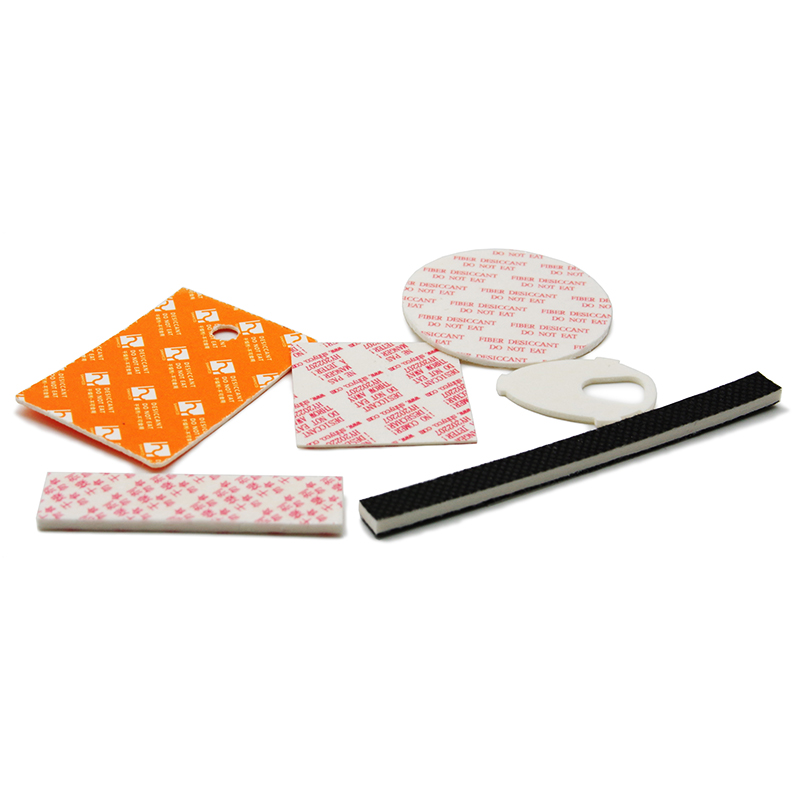
Protecting sensitive goods requires more than basic packaging solutions. Desiccant packages address a fundamental challenge in product preservation by maintaining optimal moisture levels throughout the supply chain. Whether your products face humidity exposure during storage, transportation, or distribution, desiccant packages provide a proven defense mechanism. This comprehensive guide explores the mechanics of desiccant packages, their applications across industries, and how to select the right solution for your specific protection needs.
Understanding Desiccant Packages and Their Core Function
What Defines Desiccant Packages
Desiccant packages are moisture-absorbing units that contain active desiccant materials designed to remove water vapor from enclosed environments. These packages come in various forms, including sachets, canisters, and integrated desiccant systems built into shipping containers. The fundamental purpose of desiccant packages is to maintain humidity levels below thresholds that could damage sensitive products. Desiccant packages work through either absorption or adsorption processes, depending on the desiccant material used. Silica gel, molecular sieves, and calcium chloride are among the most common materials found in desiccant packages for commercial applications.
How Desiccant Packages Absorb Moisture
The mechanism behind desiccant packages involves their porous internal structure that traps and holds water molecules. When exposed to humid air, desiccant packages actively pull moisture from the surrounding environment and bind it within their material matrix. This process continues until the desiccant material reaches saturation capacity. The effectiveness of desiccant packages depends on factors including desiccant type, package size, humidity exposure duration, and ambient temperature conditions. High-quality desiccant packages can absorb moisture equivalent to twenty or thirty percent of their own weight, making them remarkably efficient for compact applications.
Applications and Industries Protected by Desiccant Packages
Electronics and Consumer Technology
The electronics industry relies heavily on desiccant packages to prevent corrosion and component failure. Moisture exposure can cause short circuits, oxidation of circuit boards, and degradation of sensitive semiconductors. Desiccant packages are standard practice in packaging for smartphones, computers, camera equipment, and industrial control systems. During manufacturing and distribution, these products face variable humidity environments that could compromise performance. Effective desiccant packages ensure that electronics arrive at end-users in optimal condition, reducing warranty claims and customer dissatisfaction.
Pharmaceuticals and Medical Devices
Pharmaceutical products often require strict moisture control to maintain stability and efficacy. Desiccant packages play a critical role in protecting tablets, capsules, powders, and liquid formulations from humidity-induced degradation. Medical devices with electronic or mechanical components similarly depend on desiccant packages for preservation during storage and distribution. Regulatory compliance in pharmaceutical packaging frequently mandates the use of desiccant packages to ensure product quality throughout shelf life. The cost of product loss due to moisture damage far exceeds the investment in reliable desiccant packages, making them economically essential.
Food and Nutraceutical Protection
Desiccant packages are widely used in food packaging to prevent moisture-related spoilage and preserve flavor integrity. Coffee beans, tea, dried fruits, and spice products all benefit from protection provided by desiccant packages during storage and shipment. Moisture absorption can reduce shelf life and create conditions for mold growth and bacterial contamination. Desiccant packages help extend product freshness and maintain nutritional value in nutraceutical supplements. The food industry's reliance on desiccant packages reflects the direct link between moisture control and product quality preservation.
Selecting and Implementing Desiccant Packages Effectively
Determining Desiccant Package Size and Capacity
Choosing the right desiccant packages requires calculating the moisture exposure your products will experience. Factors include package volume, climate conditions during storage, expected humidity levels, and product sensitivity thresholds. Undersizing desiccant packages risks insufficient moisture absorption, while oversizing increases costs without additional benefit. Most manufacturers provide sizing guidelines based on container volume and expected humidity exposure duration. Testing desiccant packages under your specific storage and shipping conditions ensures reliable protection before full-scale implementation.
Integration with Packaging Systems
Desiccant packages must be positioned strategically within product packaging to maximize moisture capture. Placement near the top of containers improves air circulation and desiccant effectiveness. Some applications benefit from multiple desiccant packages distributed throughout larger containers. Modern desiccant packages often include indicator materials that change color when saturation approaches, providing visual confirmation of function. Integrating desiccant packages into your packaging workflow requires minimal additional handling while delivering significant protection value to your products.
Monitoring and Compliance Considerations
Industries with regulatory oversight require documentation of desiccant packages used in product shipments. Pharmaceutical and medical device manufacturers must maintain records showing desiccant package specifications and quantities. Environmental considerations influence desiccant package selection, as some materials are more sustainable than others. Regular auditing of desiccant package effectiveness helps identify optimization opportunities and cost reduction possibilities. Implementing desiccant packages as part of your quality assurance process strengthens supply chain reliability and customer confidence.
FAQ
How long do desiccant packages remain effective?
Desiccant packages maintain effectiveness until they reach saturation capacity, typically lasting weeks to months depending on humidity exposure and desiccant type. Silica gel desiccant packages can absorb moisture continuously until reaching capacity, after which they require replacement. Products with color-indicator desiccant packages show when replacement is needed through visual color changes. Proper storage of unused desiccant packages in dry conditions preserves their absorption capacity before use. Once activated or exposed to humid environments, desiccant packages should be used promptly to ensure full effectiveness for your products.
Can desiccant packages be reused or regenerated?
Many desiccant packages, particularly silica gel types, can be regenerated through heating to remove absorbed moisture. However, commercial desiccant packages are often more cost-effective to replace than to regenerate in production environments. Regeneration requires proper equipment and handling procedures to avoid damaging the desiccant material. Some desiccant packages are designed for single-use only for safety and reliability reasons. Consulting manufacturer specifications determines whether your specific desiccant packages support regeneration or should be disposed of after use.
Are desiccant packages safe for all product types?
Most desiccant packages are safe for general use with food, pharmaceuticals, and consumer products when properly sealed within packaging. Food-grade desiccant packages meet safety standards for indirect food contact applications. Some specialized products may have sensitivity considerations, making desiccant package selection important for specific applications. Medical and pharmaceutical uses require desiccant packages that comply with relevant regulatory standards and material purity requirements. Always verify desiccant package compatibility with your specific products through manufacturer guidance or testing protocols.