1. আর্দ্রতা ব্যবস্থাপনা
নতুন শক্তি সরঞ্জাম পরিচালনার ক্ষেত্রে নিয়ন্ত্রণহীন আর্দ্রতা হল একটি গোপন ঝুঁকি। উচ্চ আর্দ্রতার পরিবেশে, অন্তরক স্তরের উপরিভাগে একটি পরিবাহী জলের প্রলেপ সহজেই গঠিত হয়, যা ফলে লিকেজ পথ, বৈদ্যুতিক লিকেজ বা এমনকি ভাঙন ঘটে এবং উপকরণের ক্ষয়ক্ষতি ত্বরান্বিত হয়। এর ফলে সরঞ্জামগুলি অতিরিক্ত লোডে পরিচালিত হয়, কর্মক্ষমতা হঠাৎ কমে যায় এবং ব্যর্থতার হার তীব্রভাবে বৃদ্ধি পায়। যখন কোনও সূক্ষ্ম ইলেকট্রনিক উপাদান বা কাজের তলে ঘনীভবন ঘটে, তখন ফোঁটা প্যারাসিটিক ক্যাপাসিট্যান্স পরিবর্তন করতে পারে, শর্ট সার্কিট বা ওপেন সার্কিট তৈরি করতে পারে এবং সরাসরি দুর্ঘটনার কারণ হতে পারে।
যখন আর্দ্রতা সমালোচনামূলক সীমা অতিক্রম করে, তখন ধাতুর ক্ষয় হার ঘাতাঙ্কীয়ভাবে বৃদ্ধি পায়, যার ফলে সোল্ডার জয়েন্ট, টার্মিনাল এবং বাসবারগুলির প্রাথমিক ব্যর্থতা ঘটে এবং শেষ পর্যন্ত সরঞ্জামের মোট সেবা আয়ু হ্রাস পায়। একইসাথে, অতিরিক্ত আর্দ্রতা ব্যাকটেরিয়া এবং ছত্রাকের জন্য প্রজনন কেন্দ্র গঠন করে, যা দূষণ ঘটায় পণ্য এবং কার্যকরী পরিবেশ, এবং রক্ষণাবেক্ষণের জটিলতা বৃদ্ধি করে।
কম আর্দ্রতাও ঝুঁকি নিয়ে আসে। ব্যাটারির ইলেকট্রোলাইটে জৈব দ্রাবকগুলি দ্রুত বাষ্পীভূত হয়, ফলে লিথিয়াম লবণের ঘনত্ব এবং সান্দ্রতা বৃদ্ধি পায়, যার ফলে অভ্যন্তরীণ রোধ বৃদ্ধি পায় এবং ধারণক্ষমতা উল্লেখযোগ্যভাবে কমে যায়। প্লাস্টিক, রাবার এবং অন্যান্য নিরোধক উপকরণ জল ক্ষয়ের কারণে ভঙ্গুর হয়ে পড়ে, পৃষ্ঠের রোধ বৃদ্ধি পায় এবং আংশিক ডিসচার্জ শুরু হওয়ার ভোল্টেজ কমে যায়। সীলকগুলি তাদের স্থিতিস্থাপকতা হারায়, এবং ক্ষুদ্র ফাটলগুলি আর্দ্রতা প্রবেশের পিছনের দরজা হয়ে দাঁড়ায়। অত্যধিক শুষ্ক পরিবেশে, ধাতব পৃষ্ঠে অক্সাইড ফিল্মগুলি ফাটল ধরে, নতুন ধাতু ক্রমাগত উন্মুক্ত হয়, যেখানে কাঠামোগত ব্যর্থতা না হওয়া পর্যন্ত ক্ষয় এবং ভঙ্গুরতা সমান্তরালে তীব্র হয়। তাই নিরাপদ সীমার মধ্যে আর্দ্রতা স্থিতিশীল করা নতুন শক্তি সরঞ্জামের কার্যকারিতা এবং পরিচালনার নিরাপত্তা নিশ্চিত করার পূর্বশর্ত।
2. ঘনীভবন প্রতিরোধের প্রয়োজন
2.1 ঘনীভবনের কারণ
আপেক্ষিকভাবে সীলযুক্ত সরঞ্জামের খামগুলিতে ঘনীভবন মূলত তাপমাত্রার পার্থক্যের ফলে হয়। চলাকালীন, অভ্যন্তরীণ গহ্বরের তাপমাত্রা উচ্চ থাকে, কিন্তু বন্ধ হওয়ার পর, ধাতব আবরণটি অভ্যন্তরীণ বাতাসের চেয়ে দ্রুত ঠাণ্ডা হয়। হঠাৎ তাপমাত্রার পার্থক্যের কারণে উষ্ণ বাতাস ঠাণ্ডা দেয়ালের সংস্পর্শে এসে শিশিরবিন্দুতে পৌঁছায়, যার ফলে ঘনীভবন ঘটে। যদি সীল ব্যর্থ হয়, তবে বাহ্যিক আর্দ্রতা গহ্বরের ভিতরে প্রবেশ করে, এবং যখন ঠাণ্ডা পৃষ্ঠের তাপমাত্রা সন্তৃপ্তি বিন্দুর নীচে নেমে আসে, তখন ঘনীভবনও ঘটে। তাপীয় ঢালের কারণে অভ্যন্তরীণ বাতাসের প্রবাহে পরিবর্তন হয়, যা ঘনীভবনকে নিম্ন তাপমাত্রার অঞ্চলগুলিতে কেন্দ্রীভূত করে। এদিকে, শ্বাস-নিঃশ্বাসের ভালভের মাধ্যমে নির্গত গরম ও আর্দ্র গ্যাসগুলি ঠাণ্ডা বাইরের খোলে ঘনীভূত হয়, যা "বাহ্যিক ঘনীভবন এবং অভ্যন্তরীণ শিশির"-এর দ্বৈত ঝুঁকি তৈরি করে।
2.2 ঐতিহ্যবাহী সমাধানগুলির সীমাবদ্ধতা
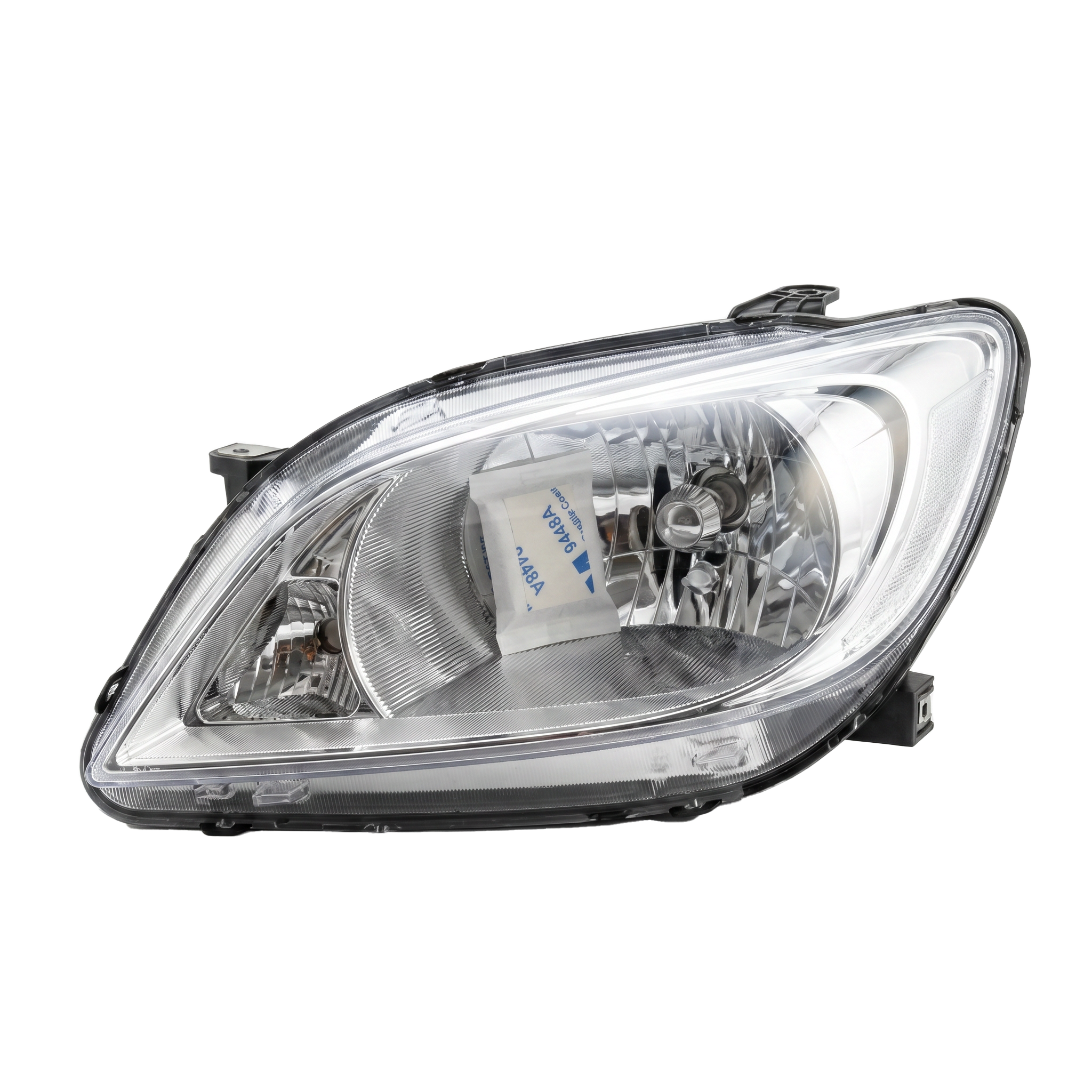
ঐতিহ্যবাহী শারীরিক পদ্ধতির নিজস্ব সীমাবদ্ধতা রয়েছে। অটোমোটিভ হেডলাইটগুলিতে প্রায়শই "ব্রিদার ক্যাপ + ভেন্ট টিউব" ব্যবহার করা হয় আর্দ্রতা নির্গত করার জন্য, কিন্তু জলীয় বাষ্পকে বেরিয়ে আসতে হলে টিউবের দৈর্ঘ্য অতিক্রম করতে হয়, যার ফলে আর্দ্রতা অপসারণের দক্ষতা কম থাকে। এছাড়াও ধুলো ভিতরে ঢুকে চ্যানেলটি বন্ধ করে দেয়, এবং এই প্রভাব শুধুমাত্র লাইটগুলি চালু থাকার সময়ই কাজ করে। আরও উন্নত জলরোধী বাতাস-প্রবেশযোগ্য মেমব্রেন চাপের পার্থক্য সমতুল্য করতে সাহায্য করে, কিন্তু এর ক্রিয়াকলাপ শুধুমাত্র বাষ্পের পুনর্বণ্টন ঘটায়, ঠাণ্ডা তলে ঘনীভবন তবুও ঘটে। বৈদ্যুতিক নিয়ন্ত্রণ বাক্সগুলিতে, বিভাজিত খাঁচাগুলি কোর উপাদানগুলি থেকে ঘনীভবনকে বাইরের খোলে সরিয়ে নেয়, যা অনিচ্ছাকৃতভাবে তরল জল গঠন প্রতিরোধ না করে ঘনীভবনের পৃষ্ঠের ক্ষেত্রফল বৃদ্ধি করে।
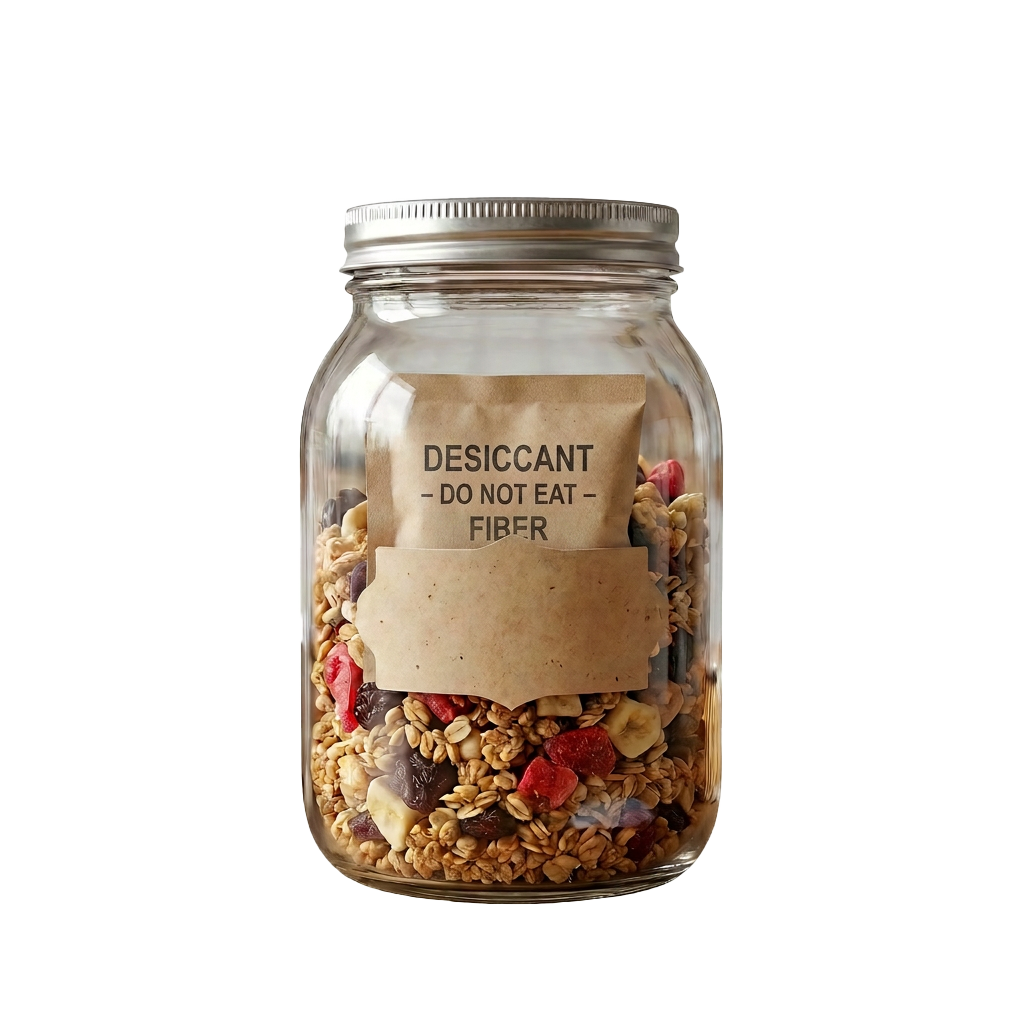
কনডেনসেশন সম্পূর্ণভাবে মোকাবেলা করতে অ্যান্টি-ফগ কোটিং এবং শোষকগুলিরও অসুবিধা হয়। উচ্চ আর্দ্রতার অধীনে কোটিং কুয়াশা দমন করতে পারে কিন্তু পরিবর্তে জলের দাগ তৈরি করে, যা কনডেনসেশন প্রতিরোধে ব্যর্থ হয়। এছাড়াও, বদ্ধ আবদ্ধ স্থানের ভিতরে সময়ের সাথে সাথে কোটিংয়ের রাসায়নিক বাষ্পীভূত হয়, যা সংলগ্ন উপাদানগুলিকে দূষিত করতে পারে। ঐতিহ্যবাহী শোষকগুলির ক্ষেত্রে, তারা শুধুমাত্র একমুখীভাবে আর্দ্রতা শোষণ করতে পারে। একবার স্যাচুরেটেড হয়ে গেলে, তাদের কার্যকারিতা হারিয়ে যায় এবং সাধারণত দুই বছরের মধ্যে প্রতিস্থাপনের প্রয়োজন হয়। আর্দ্রতা শোষণের পরে, তারা ক্ষয়কারী পেস্টে জমাট বাঁধতে পারে, যা যদি ফুটো হয়, তবে ইলেকট্রনিক উপাদানগুলির জন্য সরাসরি ঝুঁকি তৈরি করে।
3. IHumi-এর সমাধান — উল্টানো যায় এমন আর্দ্রতা নিয়ন্ত্রণ প্যাক
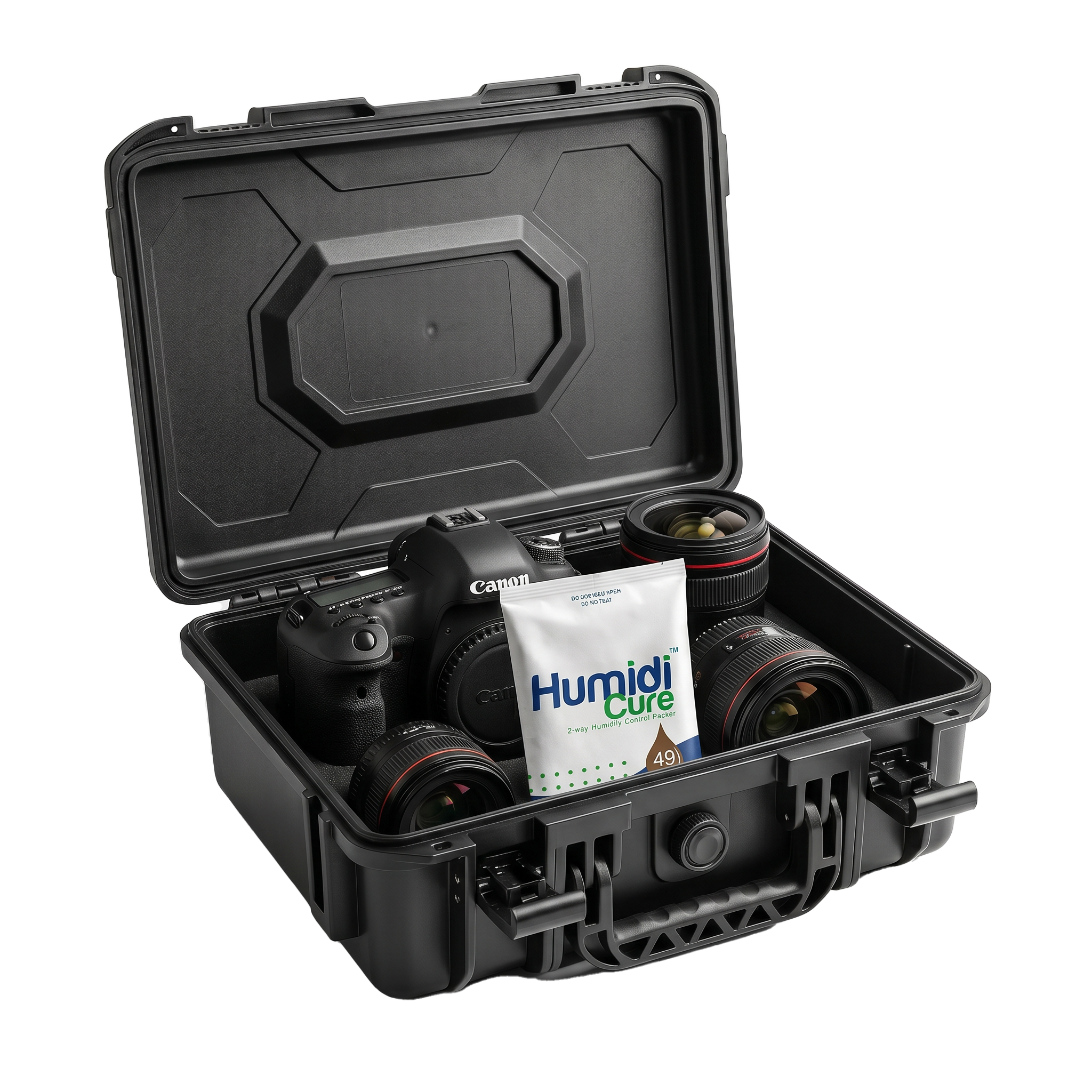
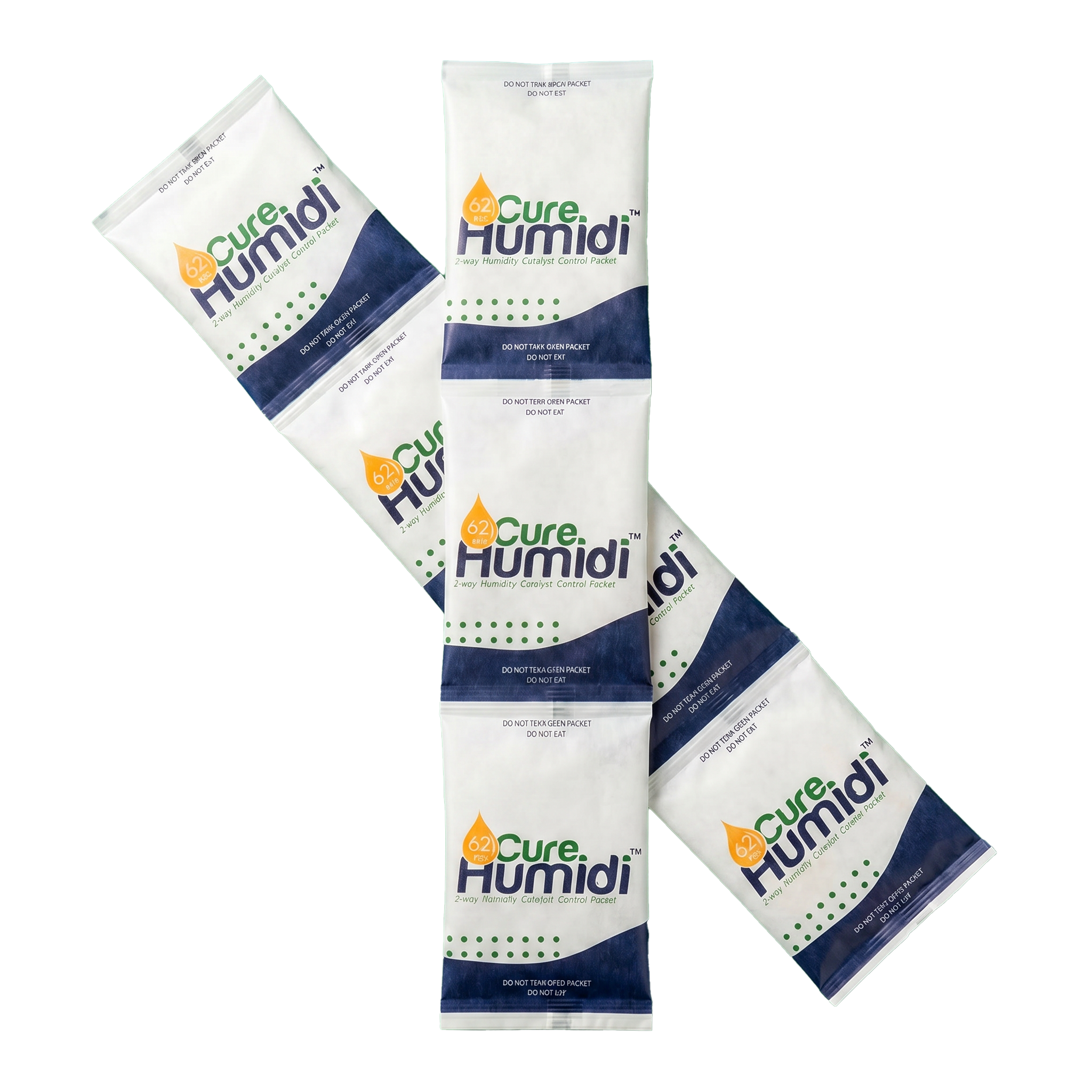
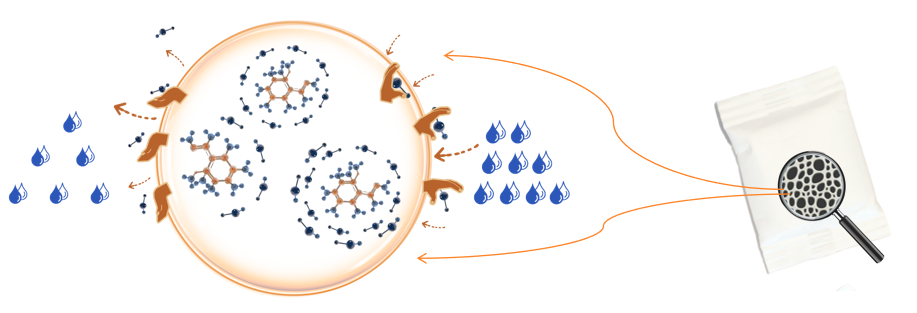
আইহুমি রিভার্সিবল আর্দ্রতা নিয়ন্ত্রণ প্যাক একটি উদ্ভাবনী কম্পোজিট আর্দ্রতা নিয়ন্ত্রণকারী পণ্য যা আপেক্ষিকভাবে বন্ধ জায়গাগুলিতে সঠিক আর্দ্রতা নিয়ন্ত্রণের সুযোগ করে দেয়, নবায়নযোগ্য শক্তি শিল্পের জন্য একটি খরচ-কার্যকর, নিরাপদ এবং নির্ভরযোগ্য ঘনীভবন প্রতিরোধের সমাধান প্রদান করে। এর মূল পেটেন্টকৃত আর্দ্রতা নিয়ন্ত্রণকারী উপাদানটি প্যাকের অভ্যন্তরীণ ম্যাট্রিক্সের ছিদ্রগুলিতে সমানভাবে বিতরণ করা হয়। হাইড্রোজেন বন্ধনের মাধ্যমে কাঠামোগত জল এবং মুক্ত জল পরস্পর রূপান্তরিত হয়, জলের ক্রিয়াকলাপের স্থিতিশীল স্তর বজায় রাখে। যখন কোনও আবদ্ধ স্থানের ভিতরে দ্রুত তাপমাত্রা পরিবর্তনের ফলে বাতাসের আর্দ্রতা শিশিরবিন্দুর দিকে বৃদ্ধি পায়, তখন জলীয় বাষ্প প্যাকের মধ্যে শোষিত হয়ে কাঠামোগত জল হিসাবে আবদ্ধ হয়, আপেক্ষিক আর্দ্রতা কমিয়ে ঘনীভবন প্রতিরোধ করে। তদ্বিপরীতে, যখন সরঞ্জাম উষ্ণ হয় এবং আপেক্ষিক আর্দ্রতা কমে যায়, তখন কাঠামোগত জল বাষ্প হিসাবে মুক্ত হয়, বাষ্পের চাপ স্থিতিশীল রাখে এবং পরবর্তী শোষণ চক্রের জন্য প্রস্তুত হয়।
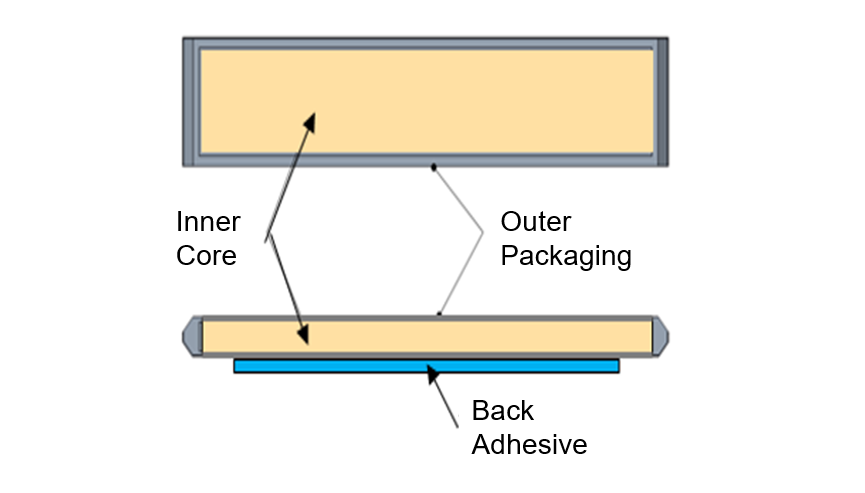
আন্তরিক শোষণের সাথে প্রচলিত শুষ্ককারীগুলির বিপরীতে, IHumi প্যাকটি একটি অনন্য দ্বিমুখী পদ্ধতি নিয়ে কাজ করে—প্রয়োজন অনুসারে আর্দ্রতা শোষণ বা মুক্তি দেওয়ার মাধ্যমে আদর্শ আর্দ্রতার মাত্রা বজায় রাখে। ঘনীভবন-প্রবণ সীলযুক্ত আবদ্ধ স্থানগুলিতে, শিশিরবিন্দুতে পৌঁছানোর আগেই এটি গতিশীলভাবে আর্দ্রতার মাত্রা সামঞ্জস্য করে, তরল জলের উৎপত্তি কার্যকরভাবে বন্ধ করে এবং ইলেকট্রনিক উপাদানগুলির সেবা জীবন ও নিরাপত্তা উল্লেখযোগ্যভাবে উন্নত করে। প্যাকটি আঠাযুক্ত ফিরে মাউন্ট করা হয়, যা আবদ্ধ স্থানের ভিতরে যে কোথাও দ্রুত ইনস্টলেশনের অনুমতি দেয়। এর পৃষ্ঠ সারা ক্রিয়াকলাপের সময় ফোঁড়া ছাড়া এবং অ-তরলায়িত থাকে, দীর্ঘমেয়াদী স্থিতিশীলতা নিশ্চিত করে। দশ বছরের বেশি সেবা জীবন এবং 20% এর নিচে কর্মক্ষমতা হ্রাসের সাথে, এটি নবায়নযোগ্য শক্তি সিস্টেমগুলির জন্য রক্ষণাবেক্ষণহীন, অত্যন্ত নির্ভরযোগ্য আর্দ্রতা ব্যবস্থাপনা প্রদান করে।
৪. অ্যাপলিকেশন
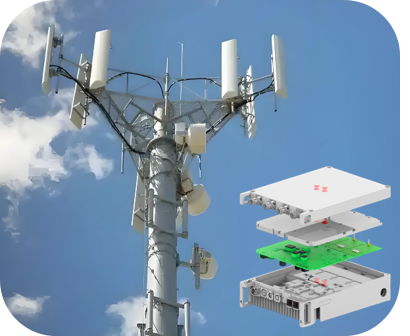
আইএইচইউমি রিভার্সিবল আর্দ্রতা নিয়ন্ত্রণ প্যাকগুলি ইতিমধ্যে একটি অগ্রণী বৈশ্বিক তথ্য ও যোগাযোগ প্রযুক্তি (ICT) সমাধান প্রদানকারীর 4G/5G বেস স্টেশন এবং নতুন শক্তির যানগুলিতে বড় পরিসরে প্রয়োগ করা হয়েছে।
বর্তমানে, আইএইচইউমি ঘরোয়া নতুন শক্তির গাড়ির উপাদান উৎপাদনকারীদের সাথে মোটর এবং বৈদ্যুতিক চালিত সিস্টেমে ঘনীভবন-প্রতিরোধী সমাধানগুলি পরীক্ষা ও যাচাই করার জন্য কাজ করছে, নতুন শক্তি খাতের জন্য উন্নত এবং নির্ভরযোগ্য আর্দ্রতা ব্যবস্থাপনা প্রযুক্তি সরবরাহ করছে।
৫. সিদ্ধান্ত
নতুন শক্তির প্রতিষ্ঠানগুলির সঙ্গে ঘনিষ্ঠ সহযোগিতার মাধ্যমে, আইএইচইউমি বিভিন্ন বিদ্যুৎ রেটিং, জলবায়ু অঞ্চল এবং সীলযুক্ত কাঠামোর জন্য লক্ষ্যযুক্ত ঘনীভবন-প্রতিরোধী সমাধান প্রদান করে তার মূল প্রযুক্তি এবং পণ্যগুলি আরও উন্নত করতে থাকবে। “শূন্য ঘনীভবন” পরিচালনা নিশ্চিত করে, আইএইচইউমি নতুন শক্তির সরঞ্জামগুলিকে আরও নিরাপদ, দীর্ঘতর এবং আরও নির্ভরযোগ্য সেবা জীবনকাল অর্জনে সাহায্য করে।
কপিরাইট © ২০২৬ শাংহাই হেংযুয়ান ম্যাক্রোমলিকিউলার ম্যাটেরিয়ালস কো., লিমিটেড। সর্বস্বত্ব সংরক্ষিত। - গোপনীয়তা নীতি

 EN
EN