
 EN
EN
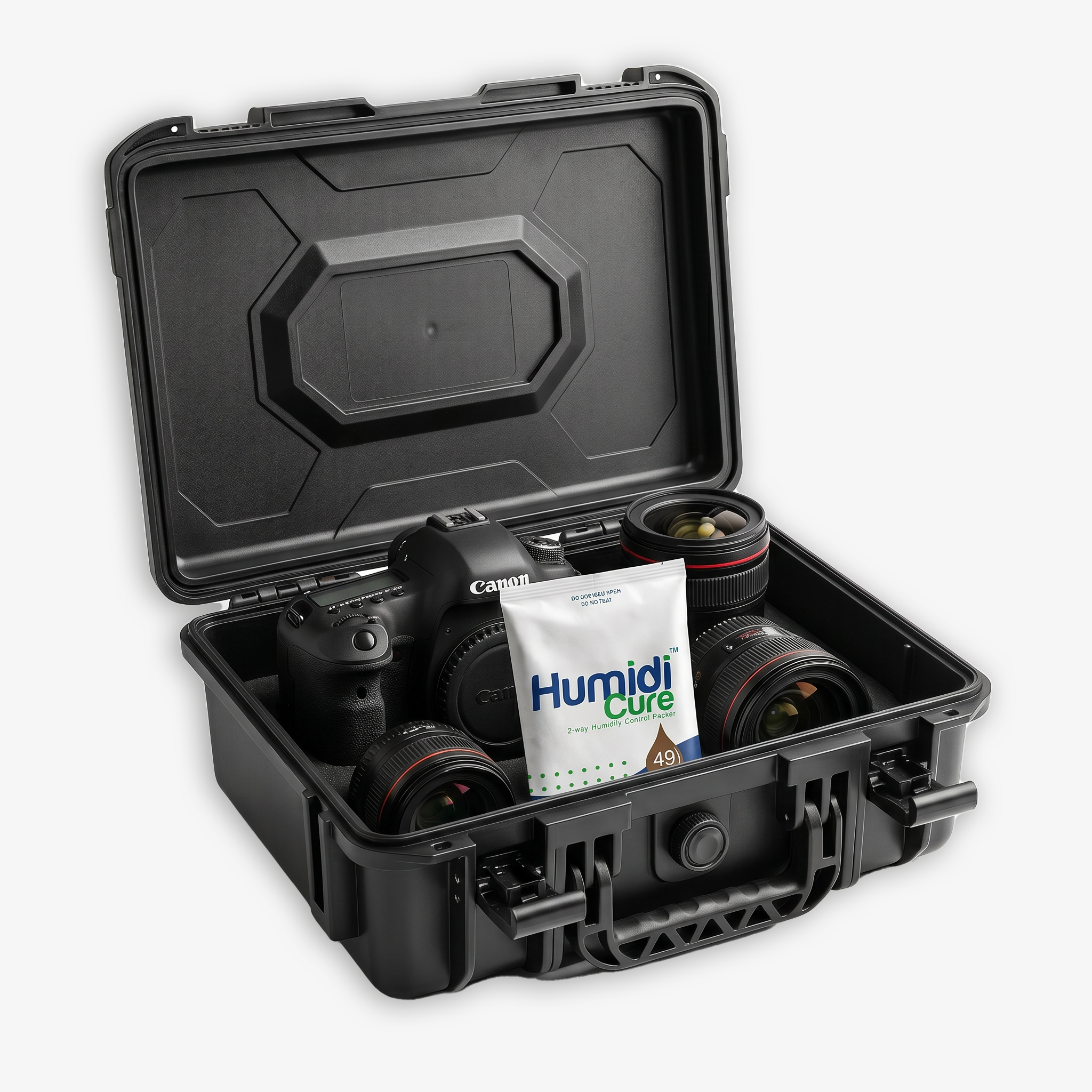
Equipment failure caused by moisture and humidity represents one of the most preventable yet costly challenges in industrial operations. When humidity levels remain uncontrolled, electronic components, mechanical systems, and sensitive machinery become vulnerable to corrosion, short circuits, and accelerated wear. Understanding how humidity control reduces equipment failure is essential for manufacturing facilities, data centers, automotive shops, and any environment where precision equipment operates. The financial impact of unplanned downtime extends far beyond repair costs—production delays, lost revenue, and compromised safety protocols can cascade through entire operations.
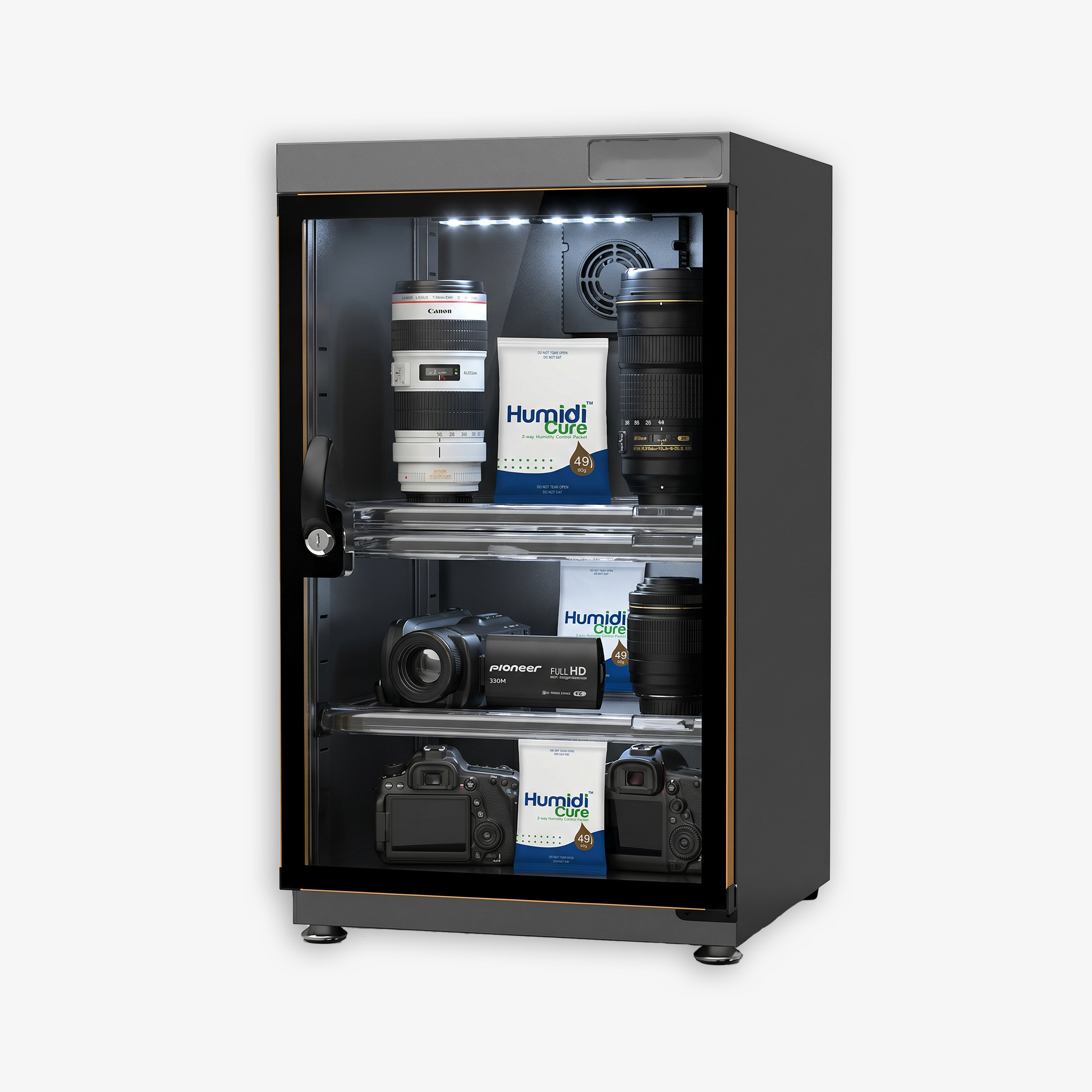
The relationship between environmental moisture and equipment reliability is direct and measurable. Industrial equipment exposed to high humidity experiences shortened component lifespan, increased failure rates, and reduced operational efficiency. By implementing strategic humidity control measures, organizations can dramatically extend asset life, minimize unexpected breakdowns, and maintain consistent performance. This article explores the mechanisms by which humidity control reduces equipment failure, practical implementation strategies, and the tangible benefits organizations achieve through moisture management.
The Science Behind Humidity and Equipment Degradation
How Moisture Damages Critical Components
Excess moisture in industrial environments initiates multiple degradation pathways. When humidity levels exceed safe thresholds, condensation forms on circuit boards, connectors, and internal machinery surfaces. This condensation creates electrical pathways that cause short circuits and component failure. Corrosion begins immediately as moisture reacts with metal surfaces, creating oxides and residue that impair mechanical function and electrical conductivity. The effect of humidity control reduces equipment failure by preventing these corrosive processes from starting. Electronic control units, sensor arrays, and precision bearings become particularly vulnerable when humidity goes unmanaged, leading to cascading system failures that halt production lines entirely.
Environmental Stress and Component Lifespan
Every industrial component has a designed operational life based on specific environmental parameters, including humidity ranges. When actual humidity exceeds these design specifications, component degradation accelerates exponentially. Insulation breaks down faster, solder joints become brittle, and mechanical tolerances shift due to material expansion and contraction from moisture absorption. Humidity control reduces equipment failure by maintaining components within their designed environmental envelope. This controlled operating environment allows machinery to reach its full intended lifespan rather than failing prematurely. Organizations implementing humidity control solutions consistently report 40 to 60 percent extensions in equipment life compared to uncontrolled environments.
Mechanisms Through Which Humidity Control Reduces Equipment Failure
Condensation Prevention and Short-Circuit Elimination
Active humidity control systems maintain moisture levels below dew point thresholds, preventing condensation formation on sensitive surfaces. By keeping relative humidity within acceptable ranges—typically 30 to 50 percent in electronics-intensive environments—these systems eliminate the moisture that creates electrical pathways and short circuits. Humidity control reduces equipment failure by establishing stable environmental conditions where condensation cannot occur. Desiccant-based systems, refrigerated dehumidifiers, and active moisture absorption technologies all contribute to this critical protection layer. When humidity remains controlled, circuit boards maintain their electrical integrity, sensor outputs remain accurate, and mechanical components function without moisture-induced resistance or friction changes.
Corrosion Suppression and Metal Protection
Metal components and connectors represent the primary targets of moisture-driven corrosion. Humidity control reduces equipment failure by maintaining dry conditions that prevent oxidation reactions on copper contacts, steel bearings, and aluminum housings. Without moisture present, the electrochemical processes that cause corrosion simply cannot initiate. Protected components maintain original specifications, electrical resistance stays low, and mechanical fit remains precise. This protection proves especially critical in automotive environments where engine control units, battery systems, and sensor networks face constant moisture exposure. By controlling humidity around these sensitive assemblies, technicians prevent the intermittent faults and complete failures that plague unprotected systems.
Practical Implementation of Humidity Control Systems
Selection and Deployment of Control Solutions
Organizations implement humidity control reduces equipment failure through various technological approaches tailored to specific environments and equipment types. Passive desiccant packs provide lightweight, cost-effective protection for enclosed spaces and equipment cavities where active systems prove impractical. Active dehumidification systems handle larger spaces and continuous operation requirements in warehouses, manufacturing floors, and data centers. Localized humidity control around specific high-value equipment offers targeted protection without requiring facility-wide system installation. The selection process considers ambient humidity levels, equipment sensitivity, operational temperature ranges, and maintenance capabilities. Proper deployment ensures humidity control reduces equipment failure consistently and reliably across all critical machinery and systems.
Monitoring and Maintenance Protocols
Effective humidity control reduces equipment failure only when systems receive proper monitoring and maintenance. Humidity sensors positioned strategically throughout facilities provide real-time data on moisture levels and system performance. Regular calibration of sensors ensures readings remain accurate, preventing false alarms and inadequate protection. Desiccant media requires periodic replacement or regeneration to maintain absorption capacity, and dehumidifier filters demand routine cleaning. Maintenance teams trained in humidity management protocols can identify system failures before they compromise equipment protection. By establishing preventive maintenance schedules and continuous monitoring, organizations sustain the conditions where humidity control reduces equipment failure consistently month after month.
Business Impact and Return on Investment
Downtime Reduction and Operational Continuity
The primary business benefit of humidity control reduces equipment failure manifests as dramatic decreases in unplanned downtime. Manufacturing facilities operating without humidity protection experience equipment failures that halt production, necessitate emergency repairs, and disrupt supply chains. By implementing humidity control systems, these organizations achieve production stability, meet customer delivery commitments, and avoid costly emergency service calls. The downtime reduction alone typically justifies system investment within the first operational year. Beyond direct downtime costs, controlled humidity environments enable more accurate preventive maintenance scheduling, allowing technicians to perform repairs during planned maintenance windows rather than responding to catastrophic failures during production runs.
Extended Asset Life and Capital Preservation
Equipment represents substantial capital investment in industrial operations, and humidity control reduces equipment failure by extending these assets' productive lifespan significantly. Machinery protected by humidity control systems operates reliably for years beyond typical uncontrolled equipment life, deferring replacement capital expenditures. This extended lifecycle means organizations extract full value from their equipment investments before replacement becomes necessary. The combination of reduced repair costs, extended operational life, and minimized emergency downtime creates compelling financial returns that transform humidity control from a cost center into a strategic asset protection investment. Facilities implementing humidity management solutions report equipment replacement cycles extending by 40 to 60 percent compared to uncontrolled environments.
FAQ
What humidity level prevents equipment failure most effectively?
Most industrial equipment operates optimally when relative humidity stays between 30 and 50 percent. This range prevents condensation formation while avoiding the excessive dryness that can damage certain materials and components. Humidity control reduces equipment failure most effectively within this narrow band, which represents the sweet spot between moisture-related degradation and desiccation-related brittleness. Specific applications may require adjusted ranges—electronics-intensive environments sometimes operate best at 20 to 40 percent, while mechanical equipment may tolerate slightly higher levels. Monitoring your specific equipment's manufacturer specifications ensures humidity control reduces equipment failure optimally for your particular machinery and operational context.
How quickly does humidity control reduce equipment failure rates?
Organizations typically observe measurable improvements in equipment reliability within the first few weeks after humidity control systems are deployed. Short-circuit failures decrease immediately as condensation prevention stops moisture-related electrical faults. Corrosion-related failures take slightly longer to diminish—typically two to three months—as existing corrosion stops progressing and new corrosion prevention takes effect. Over six to twelve months, humidity control reduces equipment failure patterns reach their plateau, with organizations seeing 60 to 80 percent reductions in moisture-related failures. The timing varies based on pre-existing equipment condition, specific environmental stressors, and system implementation thoroughness. Consistent monitoring and maintenance acceleration allows humidity control to reduce equipment failure more rapidly than inconsistent approaches.
Can humidity control reduce equipment failure in outdoor or semi-outdoor environments?
Outdoor environments present extreme humidity challenges that standard indoor humidity control systems struggle to manage. Specialized enclosure designs, sealed equipment housings, and localized desiccant systems provide targeted protection for outdoor-deployed machinery and control units. Marine environments and coastal industrial facilities use reinforced humidity protection protocols where humidity control reduces equipment failure despite exposure to salt-laden moisture. Equipment designed for outdoor operation incorporates moisture-resistant components and conformal coatings that work synergistically with humidity control measures. While outdoor humidity control reduces equipment failure less completely than controlled indoor environments, these supplementary protection strategies significantly extend outdoor equipment lifespan compared to unprotected systems.