
 EN
EN
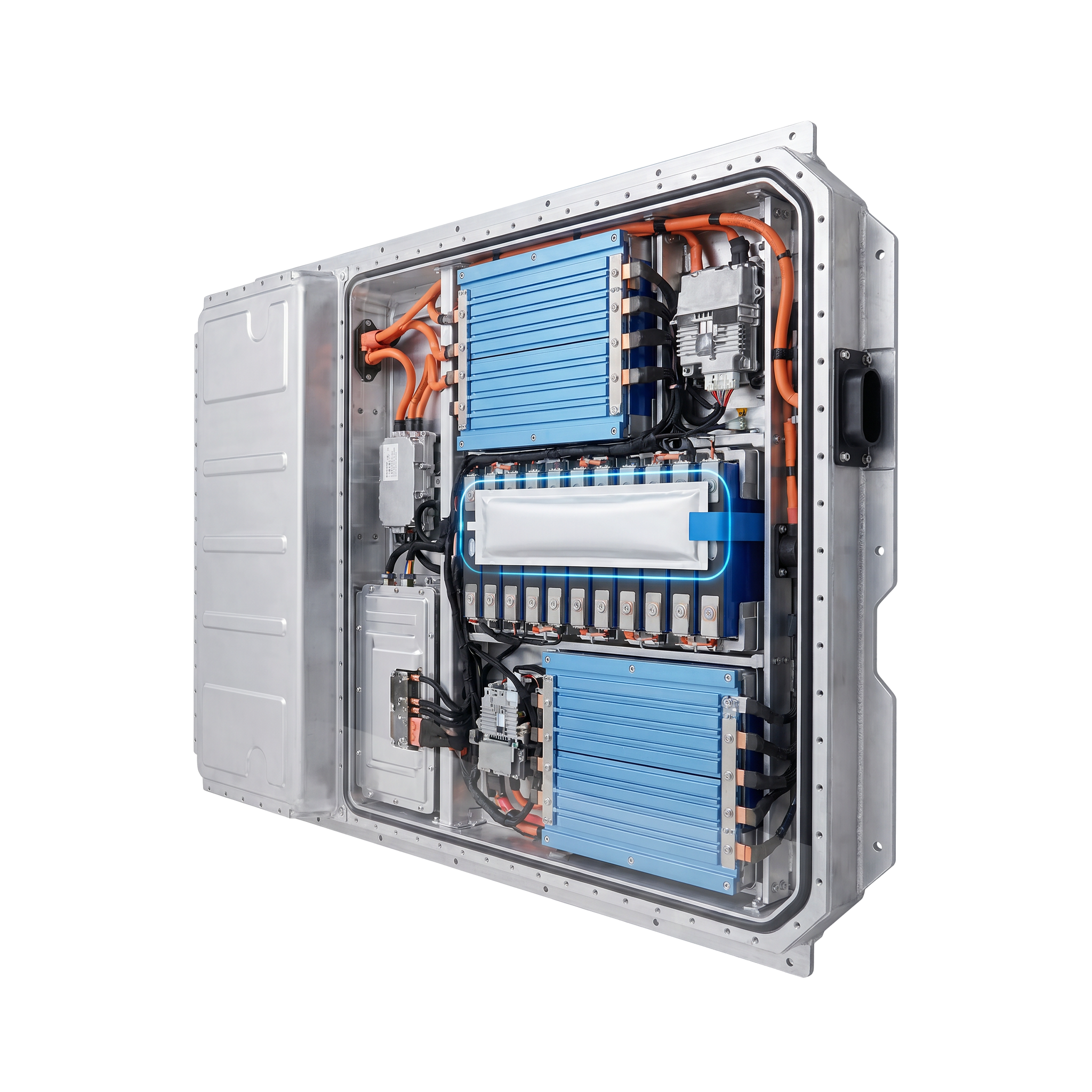
Industrial equipment operates under demanding conditions, and temperature control remains one of the most critical factors determining operational longevity. When thermal management solutions fail to function properly, equipment degrades rapidly, leading to costly downtime and premature replacement cycles. Understanding how thermal management solutions directly impact equipment lifespan is essential for any facility manager, operations director, or maintenance professional responsible for protecting valuable industrial assets.
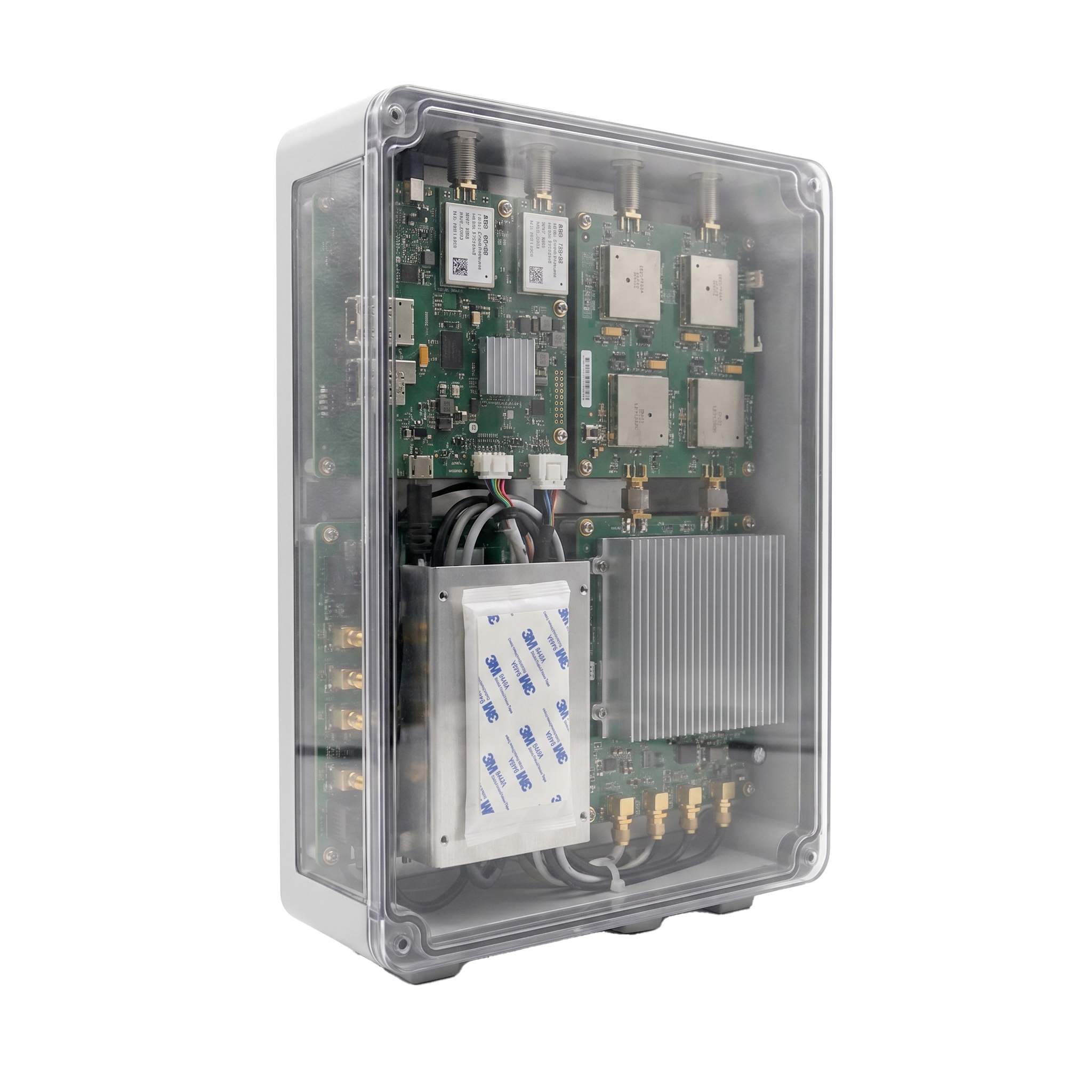
Thermal management solutions address one of the most overlooked aspects of industrial maintenance: heat dissipation and temperature regulation. When equipment operates outside its optimal temperature range, internal components experience accelerated wear, reduced efficiency, and increased vulnerability to failure. By implementing effective thermal management solutions, organizations can significantly extend equipment lifespan, reduce unplanned maintenance events, and protect their operational investments from premature degradation.
How Thermal Management Solutions Extend Equipment Lifespan
Temperature Stability and Component Longevity
Equipment components are engineered to function within specific temperature ranges, and thermal management solutions ensure those ranges are consistently maintained. When internal temperatures exceed design specifications, materials expand, electrical connections weaken, and semiconductor performance degrades. Effective thermal management solutions prevent these stress conditions by actively cooling equipment or preventing thermal buildup. This stability directly translates to extended component life, as materials experience less thermal cycling stress and maintain their original mechanical and electrical properties longer.
Thermal stress is cumulative, meaning each temperature spike accelerates material fatigue. Over time, repeated thermal cycling causes micro-fractures in solder joints, degrades insulation materials, and weakens structural components. Thermal management solutions eliminate these peaks and valleys, maintaining consistent operating temperatures that preserve component integrity throughout the equipment's entire operational life.
Reduction in Failure Rates and Downtime
When thermal management solutions are absent or inadequate, failure rates increase exponentially as equipment ages. Electronics fail more frequently in hot environments, mechanical components seize or wear faster, and cooling systems become overwhelmed. Modern thermal management solutions monitor temperature conditions and implement active cooling, passive heat dissipation, or environmental isolation to keep equipment operating safely. This proactive approach directly reduces unplanned failures, emergency repairs, and costly production interruptions.
The financial impact of implementing thermal management solutions extends beyond component replacement costs. Organizations that invest in thermal management solutions reduce emergency service calls, minimize production losses, and avoid the cascading failures that often occur when single components fail due to overheating. Equipment that maintains proper operating temperatures through effective thermal management solutions experiences significantly fewer catastrophic failures and operates more reliably throughout its design life.
Key Benefits of Implementing Thermal Management Solutions
Enhanced Operational Efficiency and Performance
Thermal management solutions do not simply extend lifespan; they also enhance real-time performance and operational efficiency. Equipment operating at optimal temperatures delivers consistent output, responds faster, and consumes less energy compared to equipment struggling with thermal stress. When thermal management solutions maintain precise temperature control, electrical resistance decreases, cooling fan cycles reduce, and overall system efficiency improves. This efficiency gain translates to lower operational costs, reduced energy consumption, and more predictable equipment behavior.
Advanced thermal management solutions provide real-time monitoring and automatic adjustment capabilities, ensuring equipment never operates outside safe thermal windows. This continuous optimization maintains peak performance throughout the equipment's operational life, preventing the gradual degradation that occurs when components operate hot and stressed for extended periods.
Cost Savings Through Preventive Asset Protection
The cost of implementing thermal management solutions is typically far lower than the expense of replacing failed equipment, conducting emergency repairs, or managing production shutdowns. Organizations that adopt thermal management solutions make a preventive investment that pays dividends through extended asset life, reduced maintenance spending, and improved operational continuity. In industries where equipment downtime translates directly to revenue loss, thermal management solutions provide essential insurance against premature failure.
Thermal management solutions also reduce the total cost of ownership by decreasing warranty claims, extending maintenance intervals, and delaying capital equipment replacement cycles. When facilities implement comprehensive thermal management solutions, maintenance budgets become more predictable, emergency repairs decline, and equipment service life often extends well beyond original design expectations.
Industrial Applications of Thermal Management Solutions
Critical Infrastructure and Telecommunications
Telecommunications infrastructure, data centers, and network equipment demand exceptional reliability, making thermal management solutions essential for maintaining service continuity. Base stations, network switches, and transmission equipment operate continuously and generate substantial heat loads. Thermal management solutions, including active cooling systems, thermal management solutions for environmental protection, and heat dissipation technologies, ensure these critical systems remain operational regardless of ambient conditions. In telecommunications networks, thermal management solutions prevent service interruptions that could affect millions of users and impact critical communications infrastructure.
Remote base stations and edge computing facilities often operate in challenging environments where thermal management solutions become critical survival systems. These installations must maintain equipment functionality across extreme temperature ranges, humidity variations, and dust exposure. Specialized thermal management solutions designed for these environments prevent condensation, manage heat accumulation, and protect sensitive electronics from thermal-related degradation.
Manufacturing and Industrial Processing
Manufacturing facilities rely on continuously operating equipment that generates significant thermal loads throughout extended production shifts. Thermal management solutions in manufacturing environments protect motors, drives, control systems, and hydraulic equipment from overheating. By implementing thermal management solutions, manufacturers extend equipment service intervals, reduce unplanned maintenance events, and maintain consistent production quality. Heavy industrial equipment particularly benefits from comprehensive thermal management solutions, as these assets often operate at maximum load for extended periods.
Precision manufacturing processes demand tight environmental controls, and thermal management solutions help maintain the stable operating conditions these processes require. When equipment temperatures fluctuate, dimensional accuracy suffers, material properties change, and product quality degrades. Thermal management solutions provide the thermal stability necessary for consistent, high-quality manufacturing output.
FAQ
Can thermal management solutions truly extend equipment lifespan by significant margins?
Yes, thermal management solutions consistently extend equipment lifespan by preventing the accelerated wear and degradation caused by thermal stress. Equipment operating within optimal temperature ranges experiences significantly reduced component failure rates, fewer thermal cycles, and better material preservation. Many organizations report lifespan extensions of 30 to 50 percent when implementing comprehensive thermal management solutions, with some seeing even greater improvements depending on baseline conditions.
What types of thermal management solutions work best for different industrial environments?
The most effective thermal management solutions depend on specific operational conditions, equipment types, and environmental factors. Active cooling systems work well for equipment generating moderate to high heat loads, while passive thermal management solutions suit environments with consistent ambient conditions. Environmental protection thermal management solutions, including humidity control and condensation prevention, excel in challenging outdoor or remote installations. Selecting the right thermal management solutions requires understanding your equipment specifications, ambient operating conditions, and failure modes.
How do thermal management solutions affect maintenance costs and scheduling?
Thermal management solutions reduce maintenance costs by decreasing failure rates, extending maintenance intervals, and preventing emergency repairs. Equipment protected by thermal management solutions experiences more predictable degradation patterns, allowing maintenance teams to plan proactive service rather than react to failures. This shift from reactive to preventive maintenance, enabled by thermal management solutions, typically reduces total maintenance spending by 20 to 40 percent while improving overall equipment reliability and availability.