
 EN
Headlight condensation represents one of the most persistent challenges in automotive maintenance and industrial lighting systems. When moisture accumulates inside headlight assemblies, it creates a film that obscures light output, reduces visibility, and diminishes driving safety. Understanding how moisture control directly improves headlight condensation performance is essential for vehicle owners and fleet managers who rely on consistent optical clarity. The relationship between effective moisture management and the elimination of headlight condensation is straightforward: by controlling the moisture that enters the assembly, you prevent the conditions that allow headlight condensation to form in the first place.

Modern vehicles and lighting fixtures generate internal heat during operation, which creates temperature differentials that promote headlight condensation when external moisture encounters cooler lens surfaces. Effective moisture control systems work by either preventing moisture ingress, absorbing existing moisture, or managing airflow patterns to reduce condensation formation. This comprehensive approach to moisture management ensures that headlight condensation does not compromise lighting performance or vehicle safety over extended use periods.
The Science Behind Headlight Condensation Formation
Temperature Differentials and Moisture Accumulation
Headlight condensation occurs when warm, moisture-laden air inside the headlight assembly encounters the cooler lens surface. During operation, the bulb and reflector generate significant heat, warming the interior air and creating a moisture gradient. When the vehicle cools or ambient temperatures drop, the interior air cannot hold its moisture load, and droplets form on the lens. This thermal cycle is inevitable in automotive environments, making moisture control the primary defense against headlight condensation. Advanced moisture control strategies interrupt this cycle by limiting the amount of moisture available to condense.
Sealed Assembly Design and Moisture Barriers
Traditional headlight assemblies contain small vents designed to equalize pressure and allow thermal expansion without creating vacuum conditions. However, these vents also permit moisture entry, directly contributing to headlight condensation problems. Modern designs implement moisture barriers and desiccant materials that work in conjunction with these vents, preventing headlight condensation while maintaining necessary pressure equalization. The effectiveness of this approach demonstrates that strategic moisture control can virtually eliminate headlight condensation even in sealed automotive environments. Using materials specifically designed to absorb and trap moisture is central to preventing headlight condensation formation.
Moisture Control Technologies That Reduce Headlight Condensation
Desiccant-Based Moisture Absorption Systems
Desiccant materials represent the most direct approach to combating headlight condensation. These hygroscopic substances actively absorb moisture from the air inside headlight assemblies, maintaining low humidity levels and preventing the conditions necessary for headlight condensation to develop. Silica gel, molecular sieves, and advanced polymer desiccants can absorb moisture loads equivalent to their own weight, effectively eliminating headlight condensation even in high-humidity environments. Installation of headlight condensation prevention systems using desiccants requires minimal modification to existing assemblies. Regular monitoring and replacement of desiccant materials ensures sustained protection against headlight condensation throughout the vehicle's operational life.
Ventilation Enhancement and Airflow Management
Controlled ventilation strategies significantly reduce headlight condensation by promoting continuous airflow that prevents moisture accumulation and maintains consistent internal temperatures. Strategic placement of breathable membranes allows air circulation while filtering out water droplets and particles, effectively controlling the moisture that leads to headlight condensation. This passive approach requires no power input and integrates seamlessly into existing headlight designs, making it cost-effective for addressing headlight condensation in production vehicles. Enhanced airflow patterns ensure that any moisture present disperses rather than concentrating on lens surfaces, preventing visible headlight condensation.
Practical Implementation of Moisture Control for Headlight Condensation Prevention
Retrofitting Existing Vehicles to Prevent Headlight Condensation
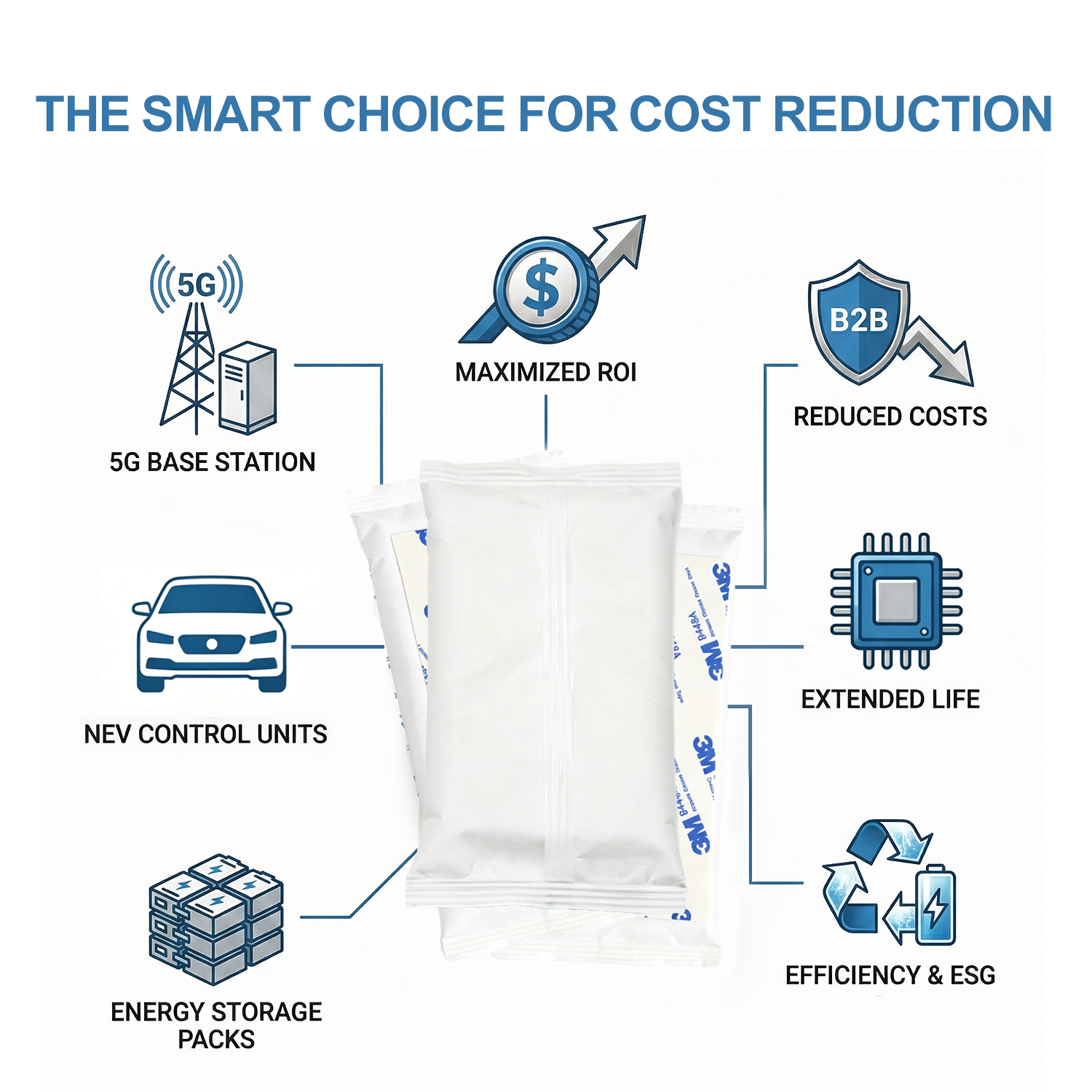
Vehicle owners experiencing persistent headlight condensation can implement retrofit solutions without replacing entire headlight assemblies. Adhesive-backed desiccant packs specifically designed for automotive applications provide immediate protection against headlight condensation when installed near vent areas. These retrofit kits cost significantly less than replacement headlights while delivering substantial improvements in condensation elimination and optical clarity. Many owners report elimination of visible headlight condensation within weeks of installing desiccant-based moisture control systems. Proper installation location ensures maximum exposure to moisture-laden air, optimizing headlight condensation prevention effectiveness.
Manufacturing Integration and Quality Assurance
Manufacturers increasingly integrate moisture control components directly into headlight assemblies during production, preventing headlight condensation before vehicles reach consumers. Factory-installed desiccant systems, breathable membranes, and optimized vent designs work synergistically to eliminate headlight condensation formation throughout the vehicle's warranty period and beyond. Quality assurance testing simulates extreme humidity and temperature cycles to verify that moisture control measures effectively prevent headlight condensation under worst-case conditions. This proactive approach has significantly reduced warranty claims related to headlight condensation in recent model years. Integration of moisture control during manufacturing ensures consistent performance in headlight condensation prevention across entire vehicle fleets.
FAQ
Why does headlight condensation form inside sealed headlight assemblies?
Headlight condensation forms because vents inside sealed assemblies allow pressure equalization and thermal expansion, permitting moisture-laden air to enter. When ambient temperatures drop or the vehicle cools after operation, the moisture condenses on the cooler lens surface, creating visible headlight condensation. Manufacturing tolerances and age-related seal degradation also permit gradual moisture ingress that accumulates into visible headlight condensation.
How long does it take for moisture control systems to eliminate headlight condensation?
Active desiccant-based moisture control systems typically reduce visible headlight condensation within one to three days of installation, depending on the initial moisture load and humidity conditions. Complete elimination of headlight condensation may take one to two weeks in very humid environments where moisture ingress is continuous. Ventilation-enhanced systems require slightly longer to establish equilibrium but provide sustained protection against future headlight condensation formation.
Can headlight condensation return after moisture control installation?
Headlight condensation can return if desiccant materials become saturated and are not replaced on schedule, typically every twelve to twenty-four months depending on environmental humidity. Degraded seals or damaged breathable membranes may allow excessive moisture ingress that overwhelms active desiccant capacity, permitting headlight condensation to reappear. Regular inspection and maintenance of moisture control components ensures sustained prevention of headlight condensation throughout the vehicle's operational life.