
 EN

Moisture degradation remains one of the most significant challenges facing manufacturers across food, pharmaceutical, and industrial sectors. When products are exposed to excess humidity, they lose quality, potency, and consumer appeal at an accelerated rate. Desiccant packages have become essential tools for businesses seeking to preserve product integrity throughout storage and distribution. By actively removing moisture from packaging environments, desiccant packages work to maintain optimal conditions that keep contents fresh, effective, and marketable for extended periods. Understanding how desiccant packages function and their impact on shelf life can help manufacturers make informed decisions about product protection strategies.
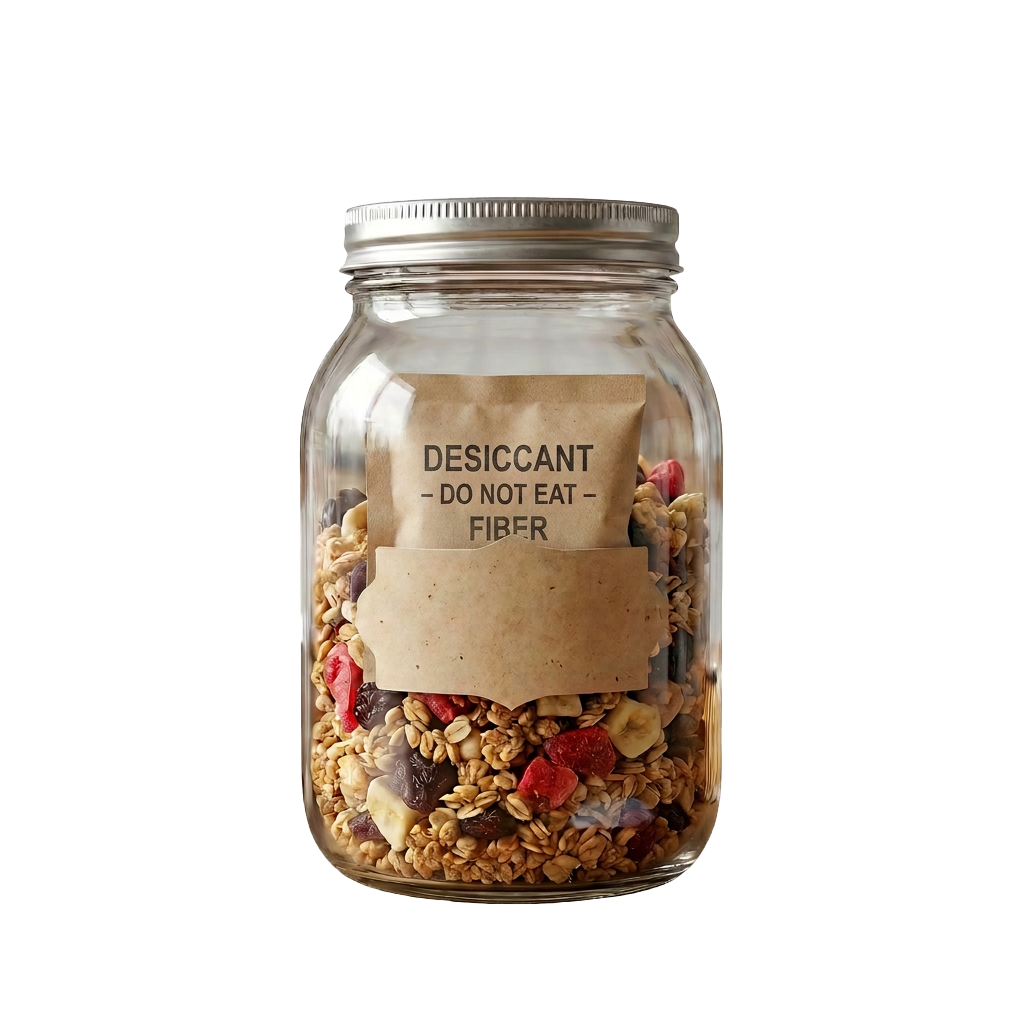
The science behind desiccant packages is straightforward yet powerful. These packages contain materials engineered to absorb water vapor from the air within sealed containers. As humidity levels drop, the rate of chemical reactions that cause product degradation slows dramatically. Desiccant packages are available in various formulations and sizes, each suited to different product types and packaging environments. Whether you're protecting vitamins, electronics, spices, or medications, the right desiccant packages can meaningfully extend the time your products remain viable and valuable on retail shelves.
How Desiccant Packages Work to Control Moisture
The Absorption Mechanism of Desiccant Packages
Desiccant packages operate through physical and chemical absorption of water molecules from sealed environments. The primary materials used in desiccant packages, such as silica gel, molecular sieves, and calcium oxide, have enormous internal surface areas that trap and hold moisture. When air inside a sealed container becomes saturated with humidity, water vapor naturally migrates toward desiccant packages placed within that space. This process continues until equilibrium is reached or until the desiccant packages reach saturation. The effectiveness of desiccant packages depends on their mass relative to the package volume and the initial humidity levels. Larger desiccant packages or multiple units can handle greater moisture loads, making them ideal for bigger containers or products highly sensitive to humidity.
Timing and Moisture Absorption Capacity
The speed at which desiccant packages absorb moisture varies based on material type and environmental conditions. Silica gel desiccant packages typically reach significant absorption within hours of placement in sealed containers. Molecular sieve desiccant packages can achieve very low moisture levels, often below one percent relative humidity. Understanding the capacity of your chosen desiccant packages helps predict how long they will remain effective. Manufacturers must calculate the moisture load generated by their products and select desiccant packages with adequate absorption capacity. This ensures that humidity levels stay suppressed throughout the entire intended shelf life period. Testing desiccant packages before full-scale deployment helps confirm their suitability for your specific application.
Direct Impact on Product Shelf Life Extension
Preventing Oxidation and Chemical Degradation
Moisture accelerates oxidation reactions that damage sensitive ingredients and reduce product potency. Desiccant packages create a dry environment where these harmful chemical processes proceed at a fraction of their normal rate. For pharmaceutical products, this moisture control directly translates to extended expiration dates and maintained efficacy. Food manufacturers rely on desiccant packages to prevent spoilage, rancidity, and loss of nutritional value in dry goods. Even slight reductions in ambient humidity can double or triple the shelf life of many products. By implementing desiccant packages strategically, manufacturers avoid costly recalls and customer complaints stemming from moisture-related degradation. The cost of desiccant packages is typically far lower than losses incurred from products spoiling prematurely.
Protecting Against Environmental Exposure During Distribution
Products encounter varying humidity conditions during transportation, warehousing, and retail display. Desiccant packages inside sealed containers provide continuous protection regardless of external weather conditions. This buffer capacity means that even if a product sits in humid warehouses or travels through tropical climates, the interior environment remains controlled. Desiccant packages are particularly valuable for goods exported internationally, as they ensure consistent protection across diverse climates. Retailers and distributors appreciate desiccant packages because they reduce the risk of product deterioration during the supply chain journey. This reliability strengthens brand reputation and reduces waste, directly improving profit margins and customer satisfaction.
Selecting the Right Desiccant Packages for Your Products
Material Considerations for Different Applications
Different product types benefit from different desiccant packages formulations. Silica gel desiccant packages are versatile and widely used across vitamins, supplements, and electronic components. Molecular sieve desiccant packages excel in pharmaceutical applications where extremely low moisture levels are critical. Calcium oxide desiccant packages offer non-silica alternatives preferred in specific regulated industries. Food-grade desiccant packages meet safety standards required for direct contact with edible products. Selecting desiccant packages involves understanding your product's specific moisture sensitivity and regulatory requirements. Consulting with packaging specialists helps identify whether you need standard or premium desiccant packages for optimal protection. The investment in correct desiccant packages upfront prevents expensive product losses and regulatory compliance issues later.
Quantity and Sizing Calculations
Determining how many desiccant packages to include requires calculating the moisture load and desired final humidity level. Oversized desiccant packages provide safety margin without significant cost penalty. Undersized desiccant packages may fail to adequately suppress humidity, defeating their protective purpose. Industry standards and past performance data guide decisions about desiccant packages sizing for common product categories. Many manufacturers conduct small-scale tests with varying quantities of desiccant packages to identify the optimal balance. Excessive desiccant packages waste resources, while insufficient desiccant packages compromise shelf life gains. Working with experienced suppliers of desiccant packages ensures you get professional guidance on proper sizing.
FAQ
How long do desiccant packages remain effective?
The effectiveness of desiccant packages depends on their saturation point and the moisture load within the sealed container. Most desiccant packages maintain their protective capacity for the entire intended shelf life when properly sized. Some desiccant packages include color-changing indicators that signal when saturation is approaching. Once saturated, desiccant packages cannot absorb additional moisture, so they must be replaced if extended protection is needed. Proper sealing of containers ensures that desiccant packages are not exposed to external humidity, which would cause premature saturation.
Are desiccant packages safe for food products?
Yes, food-grade desiccant packages are specifically formulated to meet safety regulations for food contact applications. These desiccant packages undergo rigorous testing to ensure they do not leach harmful substances into food products. Silica gel desiccant packages marked as food-grade are non-toxic and widely approved for use in food packaging. Calcium oxide and molecular sieve desiccant packages also have food-safe formulations when properly labeled. Always verify that your desiccant packages carry appropriate certifications and meet local food safety standards before use.
Can desiccant packages be reused or refreshed?
Many desiccant packages can be regenerated by applying heat, which drives out absorbed moisture and restores absorption capacity. However, industrial-scale heat treatment of desiccant packages requires specialized equipment and careful temperature control. Most manufacturers find it more cost-effective to use fresh desiccant packages for each product batch rather than attempting regeneration. Some desiccant packages are not designed for reuse and should be discarded after saturation. For high-volume operations, establishing relationships with desiccant packages suppliers ensures reliable access to new units at competitive pricing.