1. Challenges in Storage Room Operations
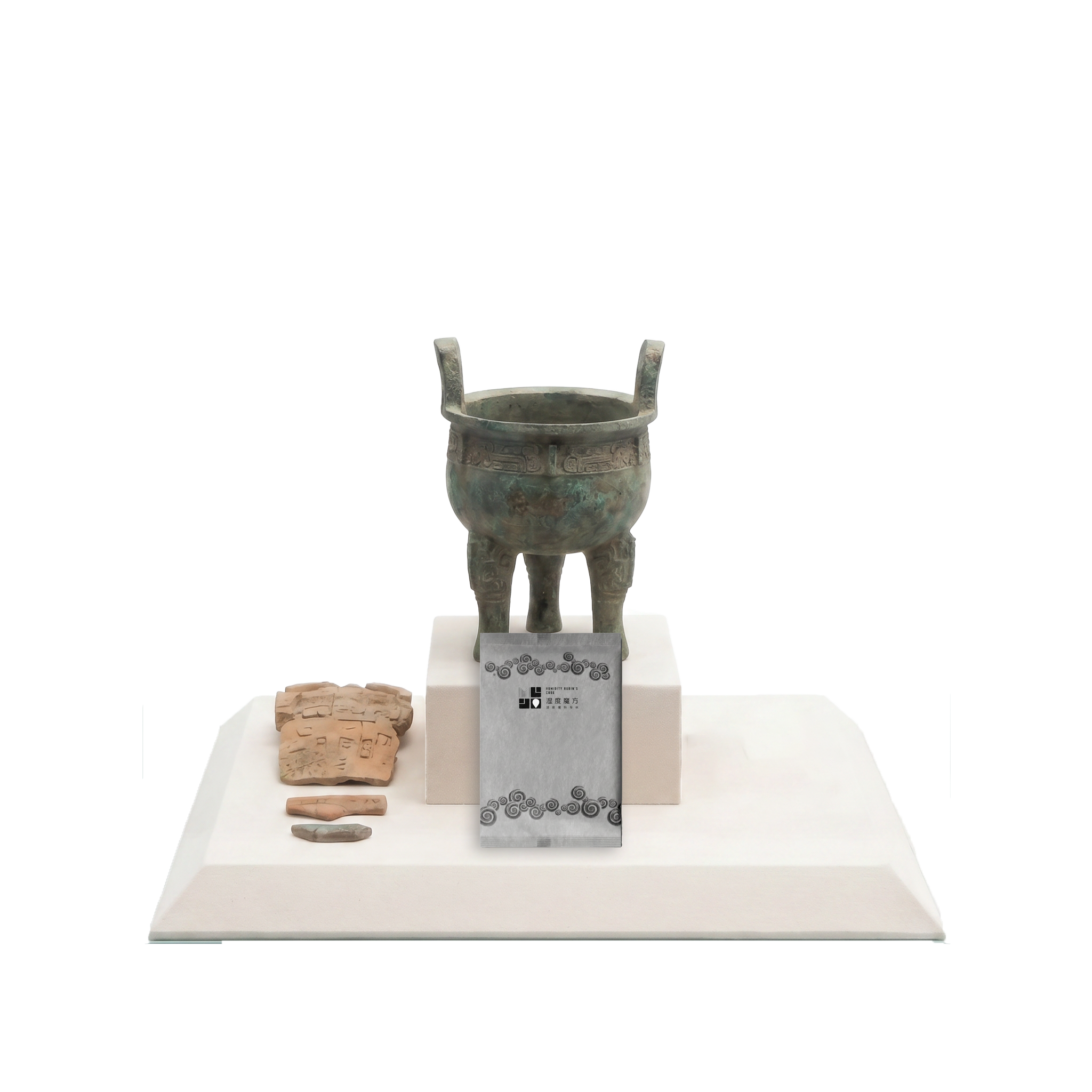
Appropriate temperature and humidity are essential for the long-term preservation, integrity, and value of collections. Different materials require specific conditions: for example, at 20 °C, metals must be stored at ≤40% relative humidity (RH), while paintings and paper-based items are best kept at 50%–60% RH.
In daily storage operations, maintaining stable humidity levels is challenging due to fluctuations in the external environment and varying ventilation rates. Traditional methods rely on HVAC systems with constant temperature and humidity control, as well as dehumidifiers or humidifiers. However, these systems consume significant energy and present a non-negligible risk of malfunction. Silica gel materials are sometimes used for humidity regulation, but they require a pre-conditioning process—absorbing moisture to equilibrium within a humidity chamber set to the target humidity level. This procedure is complex, labor-intensive, and limited in accuracy. Moreover, the target storage space itself also needs “pre-conditioning.” As a result, capacity, cost, precision, and operational bottlenecks have prevented the large-scale application of silica gel materials in museums.
2. Solution — IHumi Humidity Control Panel
2.1 Product Overview
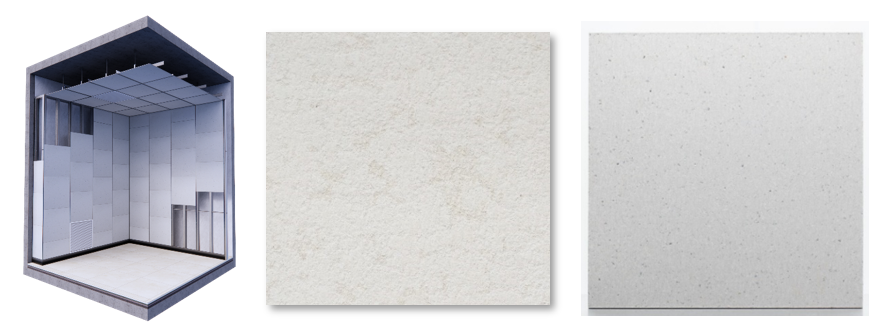
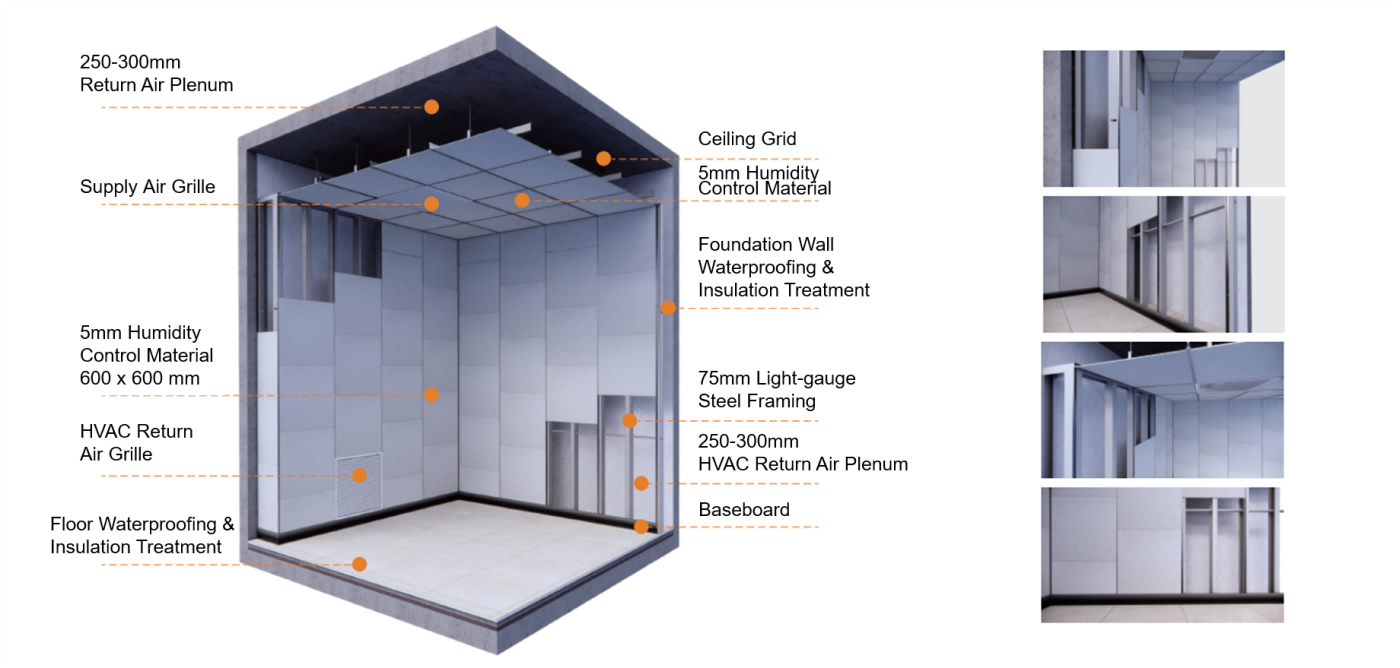
The IHumi Humidity Control Panel is a functional humidity-regulating material composed of inorganic porous minerals combined with special polymer materials through a proprietary process. It features high moisture capacity and rapid regulation speed, enabling dynamic and precise humidity control in micro-environments such as collection storage rooms. The panel works without external power, providing two-way moisture absorption and release. When installed on walls and ceilings and paired with a basic HVAC system, it significantly improves humidity stability and uniformity across the entire storage space.
This not only reduces HVAC operating hours but also lowers overall energy consumption and long-term maintenance costs.
Its core function is to buffer humidity fluctuations, keeping indoor relative humidity consistently within ±5% of the set target. Different formulations of the polymer material allow customization of control ranges between 30%RH and 80%RH.
2.2 Technical Specifications
1.IHumi’s Manufacturer holds a valid ISO9001 certification covering the design and production of humidity control panels.
2.Main components: inorganic porous minerals and polymer composites, enabling autonomous absorption and release of moisture to precisely regulate humidity.
3.Moisture absorption/release performance complies JC/T2082-2011 (2017):
· At mid-humidity levels, 24h absorption capacity: 200–350 g/m² (5 mm thickness).
· 24h release capacity: ≥70% of absorption amount.
(This is the key performance indicator defining the panel as a functional humidity-controlling material.)
4.Fire safety: rated Class A1 according to GB8624-2012 — critical for fire protection in storage rooms.
5.Environmental compliance: formaldehyde ≤0.08 mg/m³ and TVOC ≤0.50 mg/(㎡·h) (72h), per HJ571-2010. As an eco-friendly material, safety is a prerequisite for application in cultural heritage storage.
6.Standard panel sizes: 600 × 600 × 5 or 9 mm and 600 × 1200 × 5 or 9 mm.
7.Durability: semi-permanent use.
3. Application Results — Energy-Efficient Renovation of TROJANS-ART Storage Rooms in Shanghai
Shanghai Trojans-ART Exhibition Services Co., Ltd. is among the earliest specialized institutions in China dedicated to art packaging, transportation, exhibition setup, storage, and insurance, with multiple storage facilities in Shanghai and Beijing.
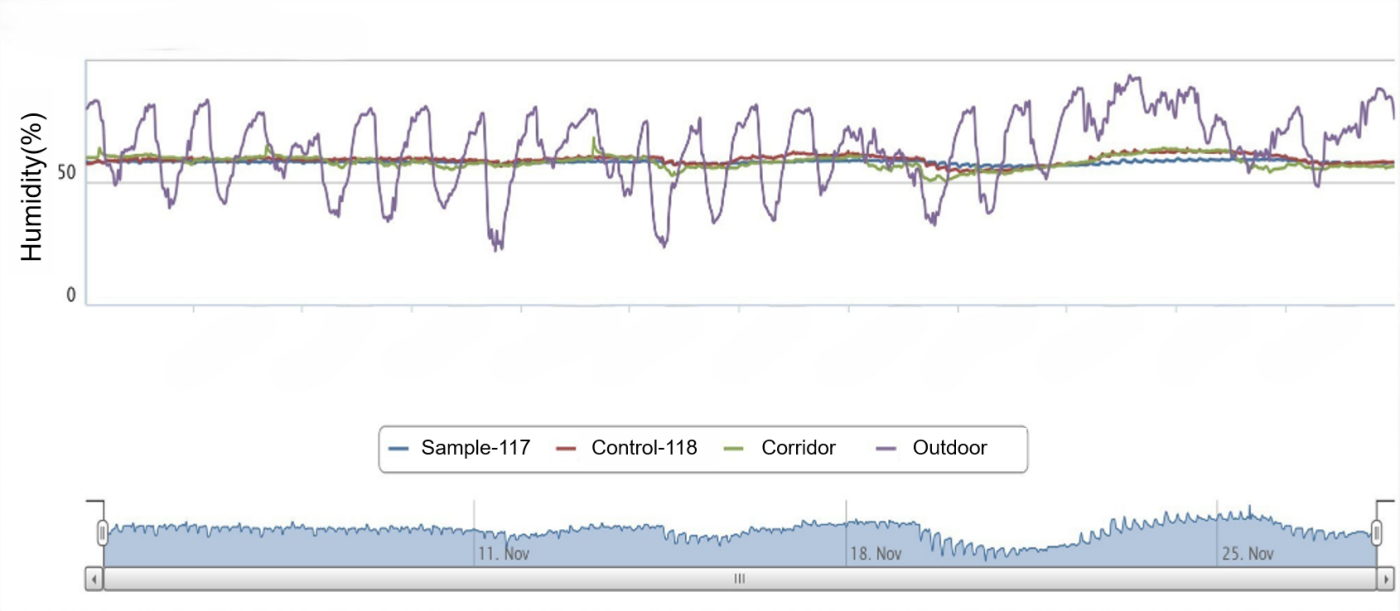
The renovation project targeted a 50 m² storage room (Sample Room-117). The original system combined HVAC, fresh air, dehumidifiers, and dryers to control temperature and humidity — a mode with high energy consumption and large humidity fluctuations, unable to simultaneously meet requirements for energy efficiency and precise humidity control.
3.1 Project Plan
The solution retained the existing HVAC, ventilation, dehumidification, and humidification equipment, while retrofitting the walls and ceiling with adaptive IHumi panels. Together with the energy management system, these formed an intelligent, energy-saving climate control system.
· Target humidity: 40%–60% RH
· Fluctuation range: <5%
3.2 Renovation Results
· Humidity Stability: Sample Room-117 fluctuation = 4.4% (compliant); Control Room-118 5% (non-compliant).
· Annual Energy Consumption: Sample Room-117 = 828 kWh; Control Room-118 = 4140 kWh — an overall energy saving of 80%.
By integrating adaptive IHumi panels, the humidity control system solved five major challenges of traditional humidity regulation in one step: energy efficiency, precision, safety, uniformity, and stability.
4. Conclusion
The IHumi green humidity control technology reduces operational carbon emissions while ensuring a stable micro-environment to safeguard collections. It provides robust support for both cultural preservation and sustainable operations.
Copyright © 2026 Shanghai Hengyuan Macromolecular Materials co., Ltd. All rights reserved. - Privacy Policy

 EN
EN