
 EN
EN

The industrial landscape is undergoing a significant transformation driven by evolving thermal management trends that directly impact operational efficiency and equipment longevity. Modern manufacturing facilities, data centers, and telecommunications infrastructure face unprecedented heat generation challenges as workloads intensify and device density increases. Understanding current thermal management trends has become essential for engineers, facility managers, and technology decision-makers seeking to maintain competitive advantage while controlling operational costs. The shift toward more sophisticated cooling strategies reflects broader industry demands for sustainability, reliability, and performance optimization across all sectors.
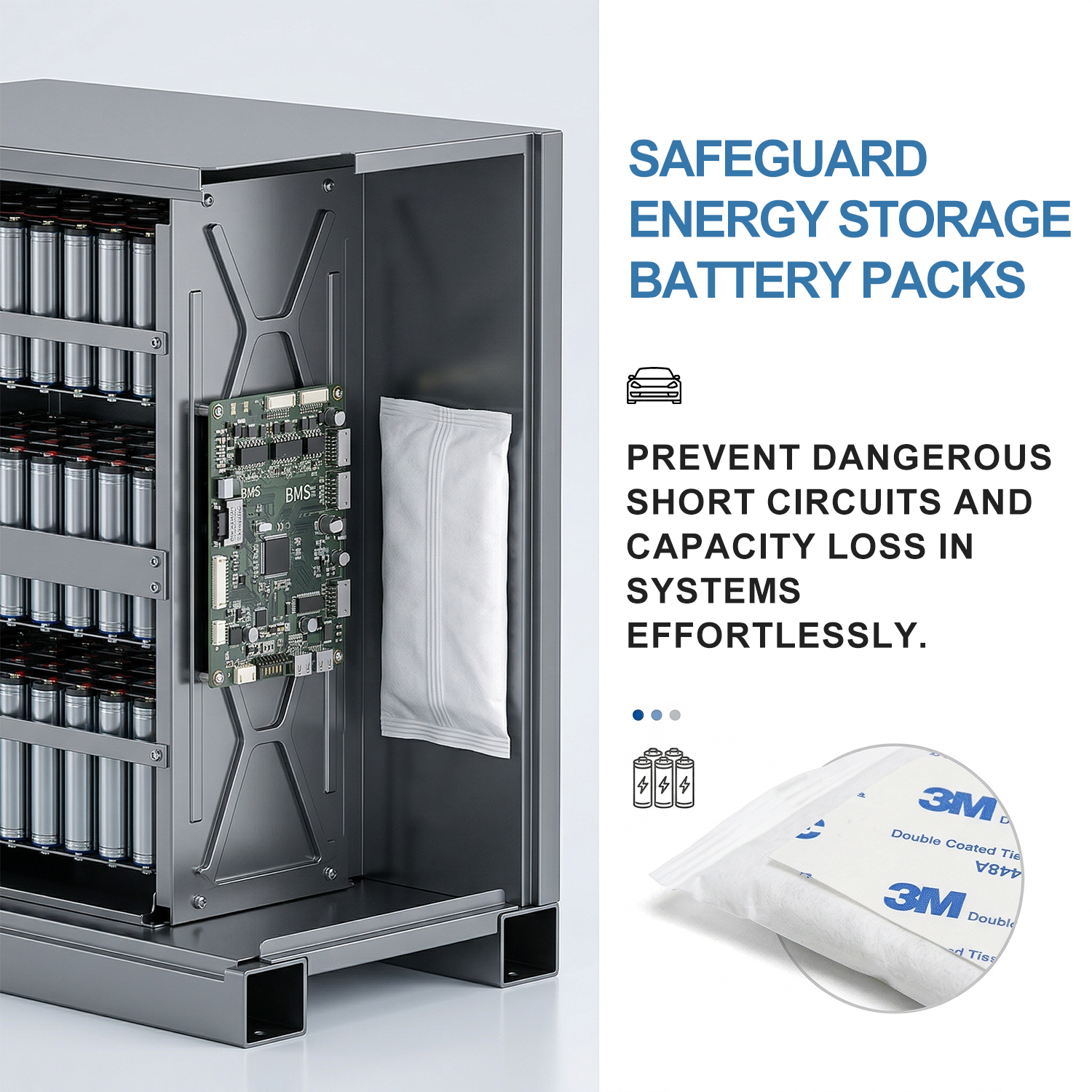
Today's thermal management trends encompass liquid cooling systems, advanced materials science, predictive analytics, and modular design approaches that collectively represent a departure from traditional passive cooling methodologies. Organizations across telecommunications, industrial automation, renewable energy, and semiconductor manufacturing are actively adopting these thermal management trends to address heat-related failures, reduce energy consumption, and extend equipment lifespan. The convergence of Internet of Things monitoring, artificial intelligence optimization, and innovative materials creates new possibilities for thermal management that were previously unavailable to most industrial applications.
Advanced Liquid Cooling and Heat Exchange Innovation
Evolution of Liquid Cooling Systems in Thermal Management Trends
Liquid cooling represents one of the most significant thermal management trends reshaping industrial infrastructure. Unlike traditional air-based systems, liquid cooling delivers superior heat transfer efficiency by leveraging the thermal properties of water, dielectric fluids, or specialized coolants. The thermal management trends in this space include immersion cooling, where entire circuit boards are submerged in non-conductive fluids, and direct-to-chip liquid cooling, which targets heat generation at its source. These approaches reduce cooling system footprint, lower energy consumption, and enable higher operational densities, making them particularly valuable for data centers and high-performance computing environments.
Organizations implementing these thermal management trends experience measurable improvements in power efficiency and thermal performance. Liquid cooling systems reduce ambient temperature requirements, allowing facilities to operate at warmer inlet temperatures without compromising equipment safety. The thermal management trends favor modular, scalable liquid cooling solutions that accommodate growth without requiring complete infrastructure redesign. Advanced heat exchangers now incorporate microchannel designs and turbulent flow optimization, representing cutting-edge thermal management that pushes performance boundaries previously thought unattainable.
Integration of Predictive Monitoring in Thermal Management Solutions
Contemporary thermal management trends increasingly integrate Internet of Things sensors and machine learning algorithms to predict thermal failures before they occur. Real-time monitoring of coolant temperature, flow rates, and system pressure enables facilities to identify potential issues and optimize thermal management performance proactively. The thermal management trends in predictive maintenance reduce unplanned downtime by 30 to 40 percent, according to industry assessments. These systems analyze historical thermal management data patterns to detect anomalies, automatically trigger alerts, and recommend corrective actions, fundamentally changing how organizations approach thermal management strategy.
The shift toward data-driven thermal management trends reflects broader industry recognition that reactive cooling cannot meet modern operational demands. Facilities leveraging predictive thermal management analytics achieve superior reliability while simultaneously reducing energy waste associated with oversized cooling systems. Integration of thermal management monitoring with building management systems provides comprehensive visibility into facility-wide heat loads and enables coordinated optimization across multiple thermal management zones.
Materials Innovation and Passive Thermal Management Advances
Phase Change Materials and Advanced Thermal Interfaces
Recent thermal management trends showcase materials science innovations that dramatically improve heat transfer across contact interfaces. Phase change materials, which absorb and release thermal energy during state transitions, represent a significant advancement in passive thermal management. These materials are increasingly integrated into thermal interface pads, encapsulants, and structural components, enabling thermal management that requires minimal maintenance and no active cooling mechanisms. The thermal management trends incorporating phase change technology benefit electronic devices, power electronics, and environmental control systems where passive thermal solutions reduce operational complexity and power requirements.
Thermal management trends also emphasize nano-enhanced materials that incorporate carbon nanotubes, graphene, and boron nitride fillers into polymers and composite structures. These advanced thermal management materials achieve thermal conductivity improvements of 5 to 10 times compared to conventional options, allowing thermal management system designers to reduce cooling infrastructure while maintaining safe operating temperatures. The thermal management trends in materials science enable lighter, more compact solutions particularly valuable in transportation, aerospace, and portable equipment applications where thermal management space and weight constraints are critical.
Thermal Management Applications in 5G Infrastructure Protection
The rapid deployment of 5G telecommunications infrastructure has created new thermal management challenges that exemplify current industry trends. 5G base stations generate substantial heat due to high-frequency signal processing and increased power consumption compared to legacy systems, making thermal management a critical operational concern. Innovative thermal management trends specifically address 5G equipment through specialized heat dissipation fiber packs and thermal barrier materials designed to protect sensitive antenna arrays and radio frequency components. These thermal management trends focus on anti-condensation protection that safeguards equipment from moisture while managing thermal output effectively in outdoor environments.
Telecommunications providers implementing advanced thermal management in 5G infrastructure extend equipment lifespan, reduce maintenance costs, and maintain consistent network performance. The thermal management trends in this sector balance cooling efficiency with weatherproofing requirements, creating hybrid solutions that address multiple environmental stressors simultaneously. This specialized thermal management approach demonstrates how industry-specific thermal management innovations respond to unique operational challenges while maintaining reliability and performance standards.
Sustainability and Energy Efficiency in Thermal Management Strategy
Optimizing Energy Consumption Through Smart Thermal Management
Energy efficiency represents a defining characteristic of contemporary thermal management trends across industrial applications. Organizations increasingly recognize that optimized thermal management directly correlates with reduced operational expenses and environmental impact. The thermal management trends emphasize variable-speed cooling fans, demand-responsive thermal management systems, and intelligent power distribution that activate thermal management resources only when necessary. These approaches reduce energy consumption by 20 to 35 percent compared to continuously running thermal management systems, translating directly to bottom-line cost savings and carbon footprint reduction.
Facility managers adopting intelligent thermal management trends benefit from automated optimization that continuously adjusts thermal management system parameters based on real-time operational conditions. The thermal management trends in energy efficiency align perfectly with corporate sustainability objectives and regulatory compliance requirements, creating business justification beyond purely technical considerations. Investment in advanced thermal management systems delivering energy efficiency often qualifies for utility rebates, tax incentives, and environmental certifications that accelerate return on investment and strengthen organizational reputation.
Circular Economy Principles in Thermal Management Design
Emerging thermal management trends increasingly incorporate circular economy principles, emphasizing reusable components, recyclable materials, and thermal management system longevity. Designers are creating modular thermal management solutions that facilitate repair, upgrade, and eventual material recovery, extending thermal management asset life while minimizing waste. The thermal management trends favoring sustainable design reduce lifecycle environmental impact while supporting extended producer responsibility initiatives gaining regulatory prominence globally. Organizations committing to sustainable thermal management trends demonstrate environmental stewardship while potentially capturing new market opportunities among environmentally conscious customers and stakeholders.
The convergence of sustainability objectives and thermal management innovation creates compelling business cases for upgrading thermal management infrastructure. Facilities investing in sustainable thermal management trends simultaneously achieve operational efficiency improvements, regulatory compliance, cost reduction, and brand differentiation—making thermal management modernization increasingly attractive across diverse industrial sectors and organizational sizes.
FAQ
What specific thermal management trends are most applicable to telecommunications equipment?
Telecommunications infrastructure increasingly adopts specialized thermal management trends including anti-condensation protective materials, liquid cooling systems for high-density equipment, and integrated monitoring solutions that ensure 24/7 operational reliability. The thermal management trends in telecommunications balance cooling efficiency with outdoor environmental protection, necessitating hybrid solutions addressing both thermal and moisture challenges simultaneously.
How do thermal management trends impact overall facility operational expenses?
Contemporary thermal management trends reduce facility operating costs through energy-efficient cooling systems, predictive maintenance reducing unplanned downtime, and optimized thermal management design that decreases infrastructure requirements. Organizations implementing current thermal management trends typically achieve 25 to 40 percent reductions in thermal management-related energy consumption and measurable improvements in equipment reliability and operational availability.
Which thermal management trends offer the fastest return on investment for industrial facilities?
Thermal management trends delivering rapid return on investment typically include predictive monitoring systems that prevent costly equipment failures, energy-efficient cooling optimization that reduces utility expenses, and modular thermal management solutions enabling staged implementation. The specific thermal management trends offering best return depend on facility characteristics, current thermal management infrastructure condition, and operational priorities, requiring customized thermal management assessment for accurate projections.