
 EN
EN
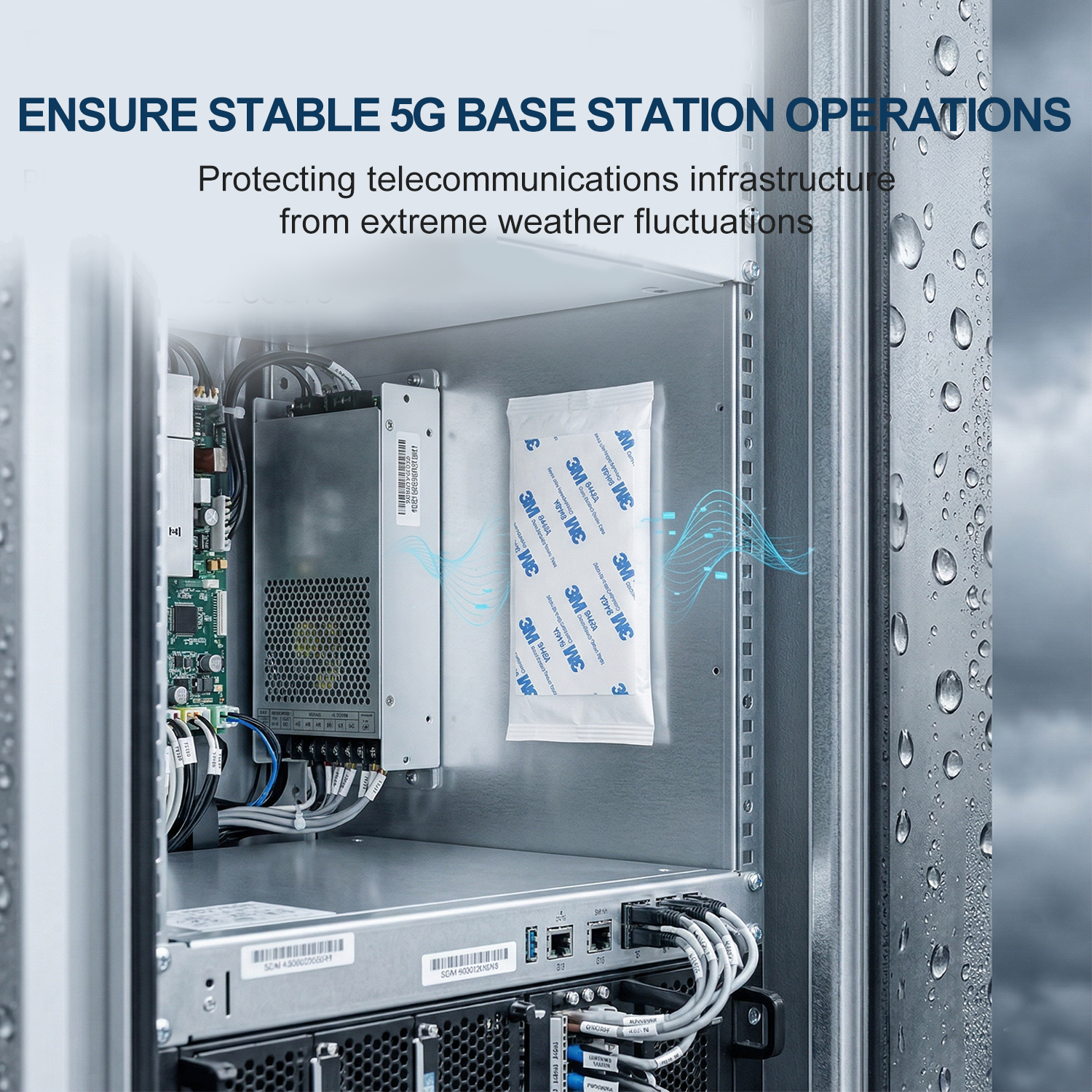
Selecting the right anti condensation solutions for bulk cargo is one of the most critical decisions in modern freight management. When cargo moves through varying climates and temperature zones, moisture buildup inside containers can cause severe product damage, leading to financial losses and customer disputes. Understanding how to evaluate and apply anti condensation solutions is essential for any shipper handling bulk goods over long distances.
Anti condensation solutions come in many forms, from fiber-based desiccant packs to silica gel strips and calcium chloride absorbers. Each type of anti condensation solutions performs differently depending on cargo type, voyage duration, and ambient humidity levels. Choosing the wrong anti condensation solutions can leave cargo vulnerable even when protection measures appear to be in place, so a structured approach to selection is necessary.
Understanding the Condensation Problem in Bulk Cargo
Why Moisture Forms Inside Cargo Containers
Condensation inside shipping containers happens when warm, humid air meets cooler surfaces — a phenomenon commonly called 'container rain.' As ships travel across different climate zones, the temperature inside a sealed container drops during cooler periods, causing water vapor in the air to condense on walls, ceilings, and the cargo itself. Anti condensation solutions are designed to interrupt this cycle by absorbing excess moisture before it can accumulate on surfaces.
Bulk cargo such as grains, coffee beans, timber, minerals, and packaged industrial goods are all highly susceptible to moisture damage. When anti condensation solutions are not properly matched to the cargo load and container size, even a short voyage can result in mold, rust, clumping, or packaging failure. Recognizing the specific condensation risk profile of your cargo is the essential first step before evaluating any anti condensation solutions.
Key Factors That Influence Condensation Risk
Several variables determine how aggressive condensation will be during transit. Voyage length, origin and destination climate, seasonal temperature swings, cargo moisture content, and container ventilation design all play a role. Anti condensation solutions must be selected with all of these factors in mind. A short coastal voyage in a dry climate demands a very different level of anti condensation solutions compared to a multi-week transoceanic shipment through tropical humidity zones.
Bulk shippers should conduct a moisture risk assessment before each major shipment. This assessment should identify which anti condensation solutions are most suitable based on historical voyage data, cargo moisture readings, and packaging characteristics. Systematic risk evaluation ensures that anti condensation solutions deliver real protection rather than a false sense of security.
Types of Anti Condensation Solutions and Their Applications
Desiccant-Based Anti Condensation Solutions
Desiccant packs represent the most widely used category of anti condensation solutions in bulk cargo shipping. These products absorb atmospheric moisture directly, reducing the relative humidity inside the container to a level where condensation cannot form. Fiber-based anti condensation solutions, such as those incorporating natural cellulose or mineral-blend desiccants, are especially effective because they combine high absorption capacity with a lightweight, easy-to-deploy format.
Calcium chloride desiccant bags are among the highest-performance anti condensation solutions available for long-haul shipments in high-humidity corridors. They can absorb several times their own weight in water vapor, making them well-suited for voyages exceeding 30 days or for cargo that inherently carries high moisture content. When comparing anti condensation solutions, absorption rate and total capacity must always be evaluated together, not in isolation.
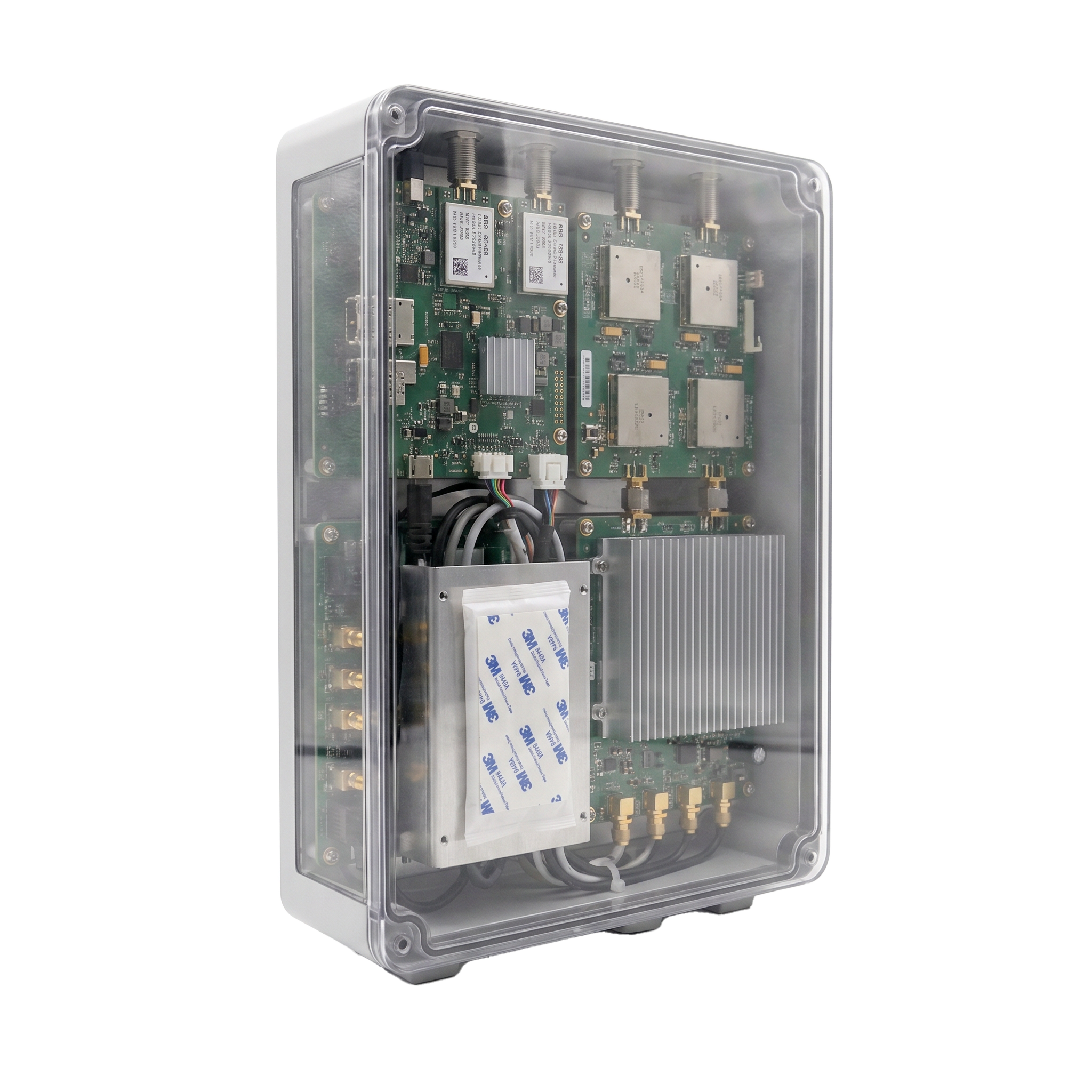
Ventilation and Barrier Anti Condensation Solutions
Beyond desiccants, barrier films and container ventilation modifications also qualify as anti condensation solutions. Vapor barrier liners applied inside the container walls prevent external humidity from entering and isolate the cargo atmosphere. While these anti condensation solutions are more expensive per unit, they are highly effective for moisture-sensitive bulk commodities such as electronics, precision machinery, or fine chemicals.
Ventilation-based anti condensation solutions work by allowing controlled airflow to equalize temperature differentials and prevent pockets of humid air from forming around the cargo. These anti condensation solutions are typically used in combination with desiccant products for maximum coverage. Understanding which combination of anti condensation solutions suits your specific cargo profile gives you a significant operational advantage.
How to Select the Right Anti Condensation Solutions for Your Cargo
Matching Anti Condensation Solutions to Cargo Type and Voyage Profile
Effective selection of anti condensation solutions starts with a precise match between product capability and cargo need. For dry bulk commodities like grains or powders, desiccant anti condensation solutions placed at cargo level are usually sufficient. For heavy machinery or industrial equipment, layered anti condensation solutions combining barrier film and high-capacity desiccants provide more reliable protection across extended voyages.
Voyage duration is a critical variable when sizing anti condensation solutions. Short-haul shipments under 14 days typically need lower-capacity anti condensation solutions, while transcontinental routes require anti condensation solutions with extended absorption lifespans. Always verify the rated working duration of any anti condensation solutions before deployment, and consider adding a safety margin of 20 to 30 percent absorption capacity above the calculated minimum need.
Practical Deployment Guidelines for Anti Condensation Solutions
Proper placement of anti condensation solutions inside a container dramatically affects their performance. Anti condensation solutions should be distributed evenly across the container rather than concentrated in one area. For tall bulk loads, anti condensation solutions should be positioned at multiple vertical levels to capture moisture throughout the entire cargo stack. Misplaced anti condensation solutions may absorb moisture in one zone while another area remains unprotected.
Packaging integrity also affects how well anti condensation solutions perform. Torn or punctured desiccant packs can spill absorbent material onto the cargo, while anti condensation solutions stored in humid warehouses before use may already be partially saturated. Always verify the condition of anti condensation solutions before loading, and use sealed packaging until the moment of deployment. A well-executed anti condensation solutions strategy protects your goods from the warehouse to the final delivery point.
FAQ
What volume of anti condensation solutions is needed per container?
The required volume of anti condensation solutions depends on container size, cargo type, voyage duration, and expected humidity levels. As a general guideline, a standard 20-foot container on a 30-day voyage in a high-humidity zone typically needs between 6 and 12 units of medium-capacity desiccant anti condensation solutions. Always consult product specifications and apply a capacity buffer to ensure the anti condensation solutions remain effective throughout the entire journey.
Can anti condensation solutions be reused across multiple shipments?
Most desiccant-based anti condensation solutions are designed for single-use deployment. Once the absorption capacity of anti condensation solutions is exhausted, they can no longer protect cargo and must be replaced. Some silica gel-based anti condensation solutions can be regenerated through controlled heating, but this process requires specialized equipment and careful handling. For bulk cargo operations, single-use anti condensation solutions are generally more practical and reliable.
How do I know if my anti condensation solutions have failed during transit?
Visual inspection upon container opening can reveal whether anti condensation solutions have performed correctly. Saturated desiccant packs will feel heavy and may show liquid pooling inside the pouch. If anti condensation solutions appear fully saturated early in the voyage, this suggests under-specification. Humidity indicator cards placed alongside anti condensation solutions give a real-time visual signal of moisture levels and help you evaluate whether anti condensation solutions maintained safe humidity throughout the shipment.