healthy home humidity
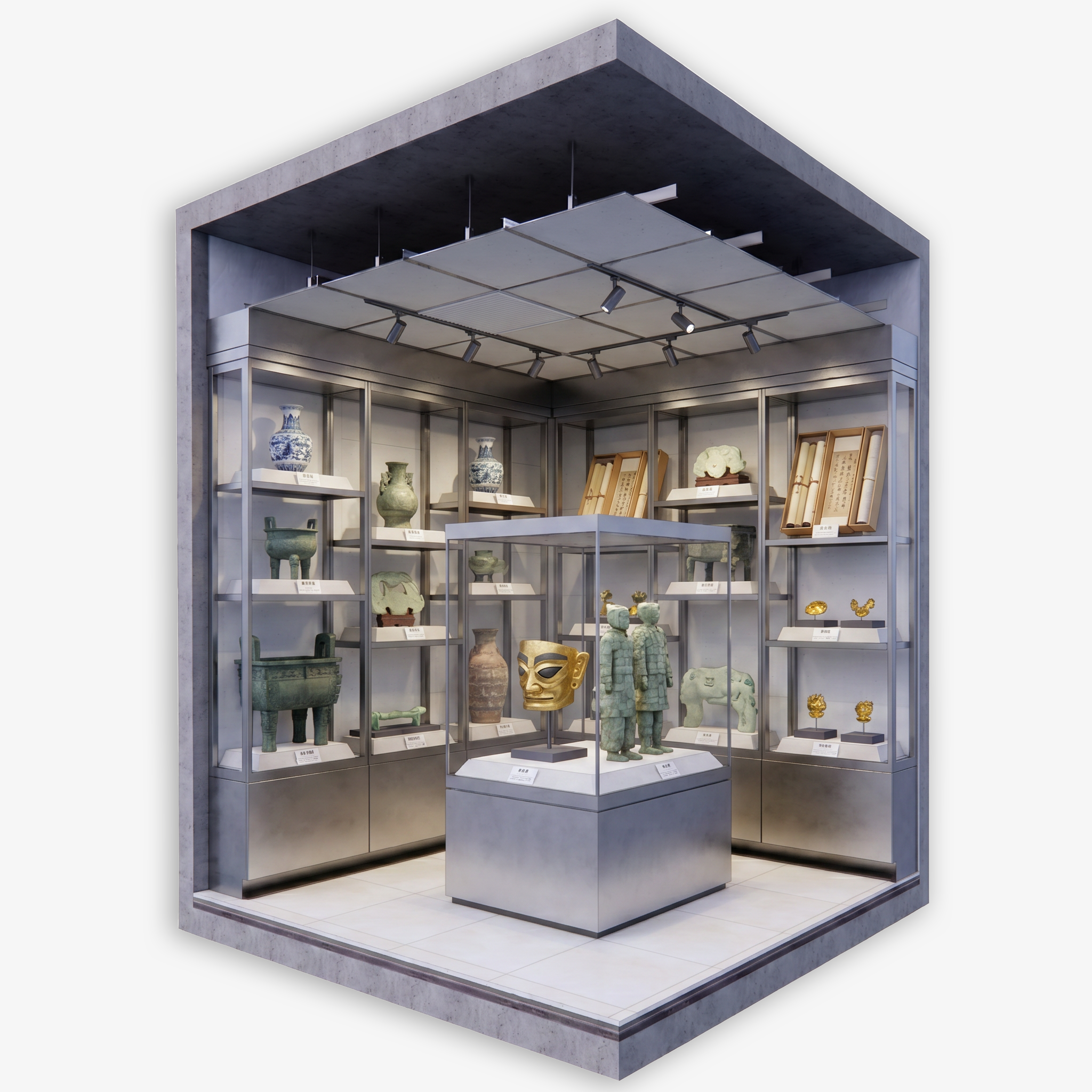
Healthy home humidity refers to maintaining optimal moisture levels in indoor environments, typically between 30 and 50 percent relative humidity. This balance is essential for creating comfortable living spaces while protecting both occupants and property from the adverse effects of excessively dry or damp conditions. Proper humidity control involves using humidifiers during dry seasons and dehumidifiers when moisture levels rise too high. Modern healthy home humidity systems incorporate advanced sensors that continuously monitor air moisture content and automatically adjust output to maintain ideal conditions. These systems work seamlessly with existing HVAC infrastructure, ensuring consistent performance throughout all rooms. The technology behind healthy home humidity management has evolved significantly, now featuring smart controls, energy-efficient operation, and whisper-quiet performance. Understanding healthy home humidity becomes crucial when considering that improper moisture levels can trigger respiratory issues, damage wooden furniture, promote mold growth, and increase energy costs. The main functions include preventing static electricity buildup, preserving wood flooring and musical instruments, protecting electronics from moisture damage, and reducing allergens. Applications span residential homes, apartments, offices, museums, libraries, and medical facilities where precise environmental control matters. By implementing effective humidity management strategies, homeowners can significantly improve indoor air quality, enhance comfort, and extend the lifespan of their furnishings and building materials while creating healthier living environments for their families.





 EN
EN