
 EN
EN
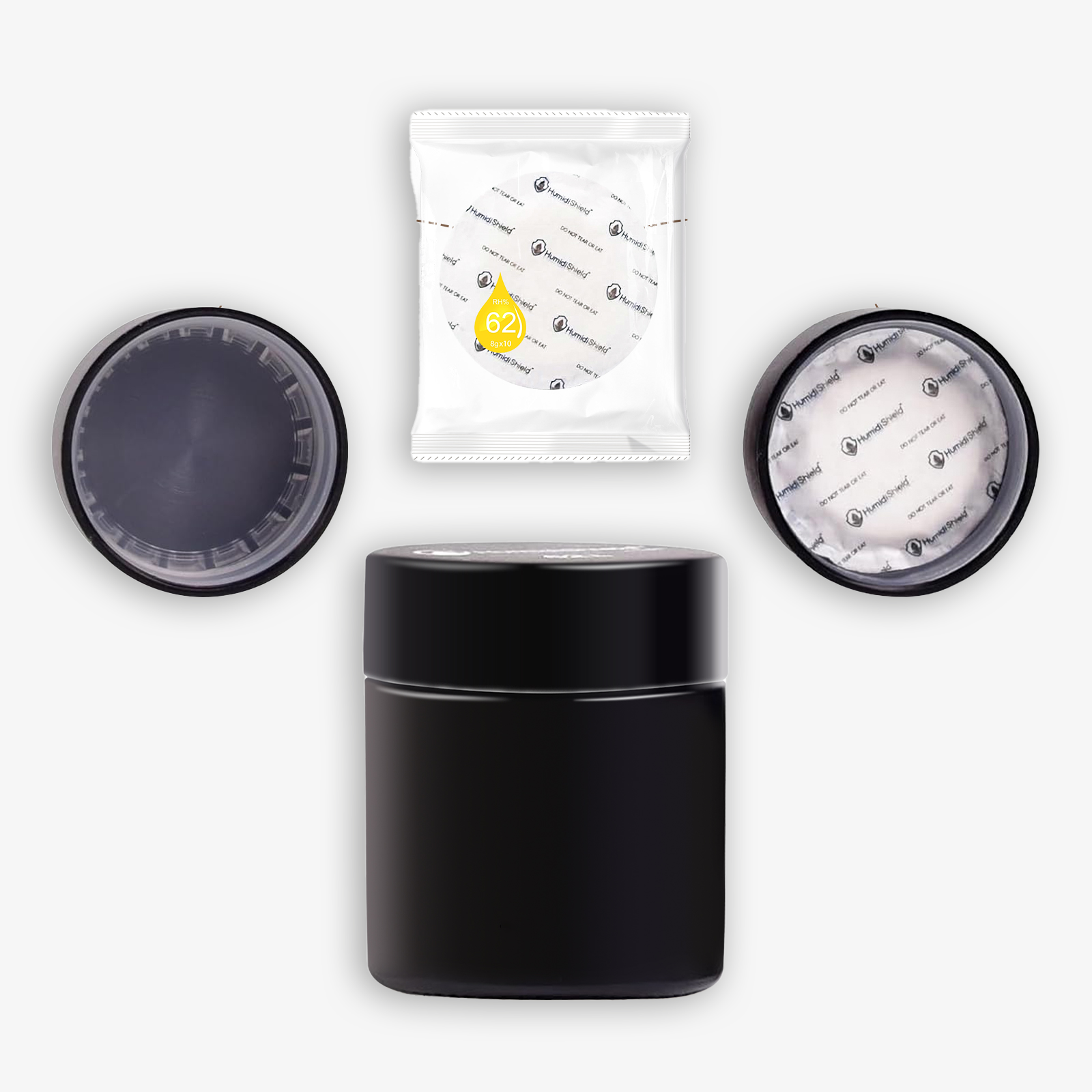
Изборът на подходящ пакет за контрол на влажността за транспортиране на големи количества е едно от най-важните решения в логистиката и управлението на веригата за доставки. Поврежданията от влага по време на транспортиране могат да компрометират качеството на продуктите, да намалят техния срок на годност и да доведат до значителни финансови загуби. Правилно избраният пакет за контрол на влажността поддържа оптимални нива на относителна влажност вътре в транспортните контейнери и предпазва чувствителните стоки от кондензация, образуване на плесен и химично разграждане. Разбирането на начина за оценка и избор на подходящия пакет за контрол на влажността гарантира, че вашите пратки ще пристигнат в безупречно състояние, независимо от климатичните условия или продължителността на транспортирането.
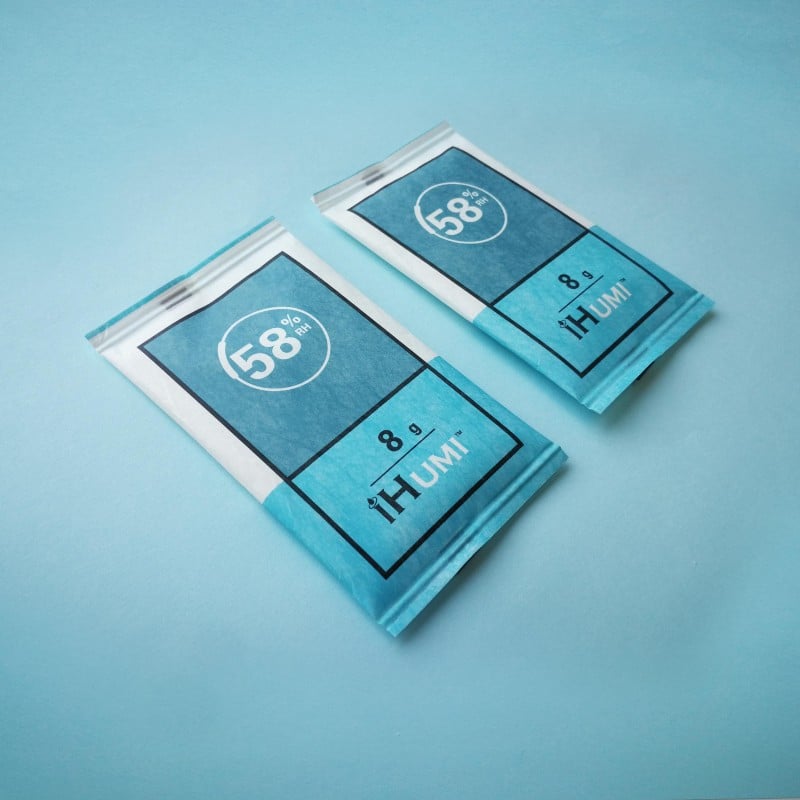
Изборът на пакет за контрол на влажността директно влияе както върху целостта на продукта, така и върху разходите за превоз. Недостатъчно големи или неефективни решения за контрол на влажността водят до натрупване на влага и разваляне на товара, докато прекалено големите пакети губят ценное пространство в контейнера и увеличават разходите. Промишлени сектори като фармацевтиката, електрониката, хранителната промишленост и изящните изкуства разчитат на научно калибрирани системи за контрол на влажността, за да отговарят на регулаторните изисквания и очакванията на клиентите. Като разберете техническите спецификации, изискванията към капацитета и сценариите за приложение за всеки тип пакет за контрол на влажността, можете да вземете обосновани решения, които защитават вашите пратки и оптимизират ефективността на логистиката.
Разбиране на спецификациите на пакетите за контрол на влажността и диапазоните на относителната влажност
Определяне на относителната влажност и нейното влияние върху товара
Относителната влажност, измерена като процент от 0 до 100 %, представлява количеството влага във въздуха спрямо максималното количество влага, което въздухът може да задържи при дадената температура. Различни продукти изискват различни оптимални нива на влажност; електрониката обикновено работи най-добре при относителна влажност между 30 и 50 %, докато фармацевтичните продукти и хранителните стоки често изискват относителна влажност от 40 до 60 %. Когато товарът е изложен на нива на влажност извън тези граници по време на масов превоз, миграцията на влага се ускорява по повърхностите на продуктите и по материала за опаковка. Качествен пакет за контрол на влажността поддържа правилното ниво на относителна влажност вътре в контейнера ви, като активно абсорбира излишната влага или бавно я освобождава, когато условията станат прекалено сухи.
Избор на правилния рейтинг за относителна влажност за вашата категория продукти
The комплект за контрол на влажността избраният от вас влажностен контролен пакет трябва да отговаря на специфичните изисквания към относителната влажност (RH) за вашия тип продукт. Пакет с контрол на относителната влажност в диапазона 30–50 % е най-подходящ за чувствителна електроника, полупроводници и оптични уреди, при които е критично ограничаването на влагата. Пакет с контрол на относителната влажност в диапазона 45–75 % е подходящ за храни, чай, кафе, подправки и сушени стоки, които изискват умерена защита срещу влага, без да стават крехки. Разбирането на чувствителността на вашия продукт към влага и на изискванията за съответствие с нормативните разпоредби е първата стъпка при избора на подходящ влажностен контролен пакет. Производителите обикновено предоставят технически данни, посочващи идеалните условия за съхранение; справянето с тези документи гарантира, че ще изберете влажностен контролен пакет със съвместими спецификации за относителна влажност.
Изчисляване на изискванията към капацитета и размерите на контейнера
Оценка на влаговата натовареност и продължителността на транспортирането
Капацитетът на вашия влагоконтролен пакет зависи от три основни фактора: обемът на транспортния контейнер, началното съдържание на влага в товара и очакваното време на превоз. По-голям контейнер или по-дълъг път изискват по-мощен влагоконтролен пакет, за да се поддържат стабилни нива на относителна влажност през целия маршрут. Стандартен влагоконтролен пакет с капацитет 15 грама може да е недостатъчен за 20-футов контейнер с високовлажни стоки, докато за малък картон, изпратен чрез въздушен транспорт, може да е прекомерен. Изчислете общия обем в кубични метри на вашия контейнер и умножете го по стандартен индустриален коефициент на абсорбция, за да определите необходимия капацитет на влагоконтролния пакет в грамове. Повечето логистични специалисти използват правилото „един влагоконтролен пакет на кубичен метър“, макар че при климати с висока влажност или продължителни превози може да се изисква по-висока доза.
Съгласуване на капацитета на пакета с типа контейнер и климатичния маршрут
Различните маршрути за доставка излагат стоката на различни атмосферни условия, което влияе върху количеството влага, която трябва да бъде регулирана от влагорегулиращия пакет. Маршрутите през тропически райони с висока външна влажност изискват по-мощен влагорегулиращ пакет в сравнение с маршрути през умерени климатични зони. При морски превоз през екваториални региони контейнерите могат да бъдат изложени на външна относителна влажност над 90 % в продължение на седмици, което изисква индустриални решения за влагорегулиращи пакети. Влагорегулиращ пакет, предназначен за стандартни складови условия, може да се окаже недостатъчен за екстремни среди. Оценете конкретния си маршрут за доставка, сезонните вариации и историческите метеорологични данни, за да изберете влагорегулиращ пакет с достатъчен резерв на капацитет. Увеличаването на капацитета с 10–20 % осигурява безопасен резерв без значително повлияване на разходите, особено при защита на стоки с висока стойност.
Оценка на материала на пакета, технологията и съответствието с нормативните изисквания
Предимства на технологията за двупосочен контрол на влажността
Съвременните продукти за контрол на влажността използват двупосочна технология, която както абсорбира излишната влага, така и постепенно я освобождава, когато условията станат твърде сухи. Този двупосочен подход поддържа стабилни диапазони на относителната влажност по-ефективно от пакетите за еднопосочна абсорбция. Двупосочният пакет за контрол на влажността се адаптира динамично към колебанията в температурата и влажността по време на транспортиране, предотвратявайки както прекомерното изсушаване, така и натрупването на влага. Тази технология се оказва особено ценна при продължителни пътувания, при които има температурни промени между деня и нощта, или когато контейнерите преминават през множество климатични зони. Двупосочните системи за контрол на влажността намаляват риска от повреди вследствие кондензация и деградация на продуктите, поради което са предпочитан избор за висококачествени стоки и регулирани отрасли.
Сертификати за безопасност, нетоксичност и регулаторни аспекти
Надежден пакет за контрол на влажността трябва да отговаря на международните стандарти за безопасност и да е сертифициран като нетоксичен за директен контакт с храни, фармацевтични продукти и потребителски стоки. Проверете дали вашият пакет за контрол на влажността притежава сертификати като одобрение от FDA за контакт с храни, съответствие с ISO 9001 и статус GRAS, когато е приложимо. Някои пакети за контрол на влажността съдържат химически съединения, които могат да повлияят върху качеството на продукта или да нарушат импортните регулации в определени страни. Поискайте документация за безопасност, списъци със състав на материала и регулаторни сертификати от доставчика на пакетите за контрол на влажността преди закупуване. Освен това потвърдете, че опаковката на пакета за контрол на влажността е изработена от дишещи, пропускливи материали, които позволяват размяна на влага, но при това надеждно задържат вътрешната среда по време на обработка и транспортиране.
Практическо прилагане и оптимизация на разходите спрямо ползата
Стратегия за разположение и разпределение на броя в контейнерите
Ефективното разположение на влагорегулиращите пакети значително влияе върху ефективността на управлението на влажността. Разположете влагорегулиращите пакети на няколко места в контейнера, а не ги събирайте на едно място, за да осигурите равномерно разпределение на относителната влажност (RH) из целия товар. За стандартни контейнери поставете влагорегулиращите пакети близо до горната, средната и долната част на стоварения товар, за да се максимизира техният контакт с въздуха, наситен с влага. Избягвайте да поставяте влагорегулиращите пакети директно до чувствителни продукти; вместо това ги разположете върху палети, рафтове или специални подпорни конструкции. Шаблонът на разпределение на влагорегулиращите пакети трябва да отразява очакваните шаблони на движение на влагата, обикновено от покрива и външните стени на контейнера към вътрешния товар.
Сравнение на общата стойност на собственост и стойността на предотвратяване на загуби
Макар премиум комплектите за контрол на влажността да имат по-висока първоначална цена в сравнение с базовите алтернативи, стойността на защитата често оправдава инвестициите чрез предотвратяване на щети и спазване на регулаторните изисквания. Изчислете потенциалното финансово въздействие от загуби на стоки, свързани с влажността, включително разходи за замяна на продукти, възстановяване на транспортни такси, санкции от клиенти и щети за репутацията. Висококачествен комплект за контрол на влажността, който струва от 50 до 200 долара на контейнер, може да предотврати загуби, надхвърлящи десетки хиляди долара при една единствена доставка. Компаниите, които изпращат електроника, фармацевтични продукти или специални храни, трябва да разглеждат инвестициите в комплекти за контрол на влажността като задължително управление на разходите, а не като допълнителен разход. Създайте отношения с надеждни доставчици на комплекти за контрол на влажността, които предлагат отстъпки при големи обеми, техническа поддръжка и гаранции за производителност, съобразени с честотата на вашите доставки и изискванията към продуктите.
Често задавани въпроси
Какво се случва, ако изберете комплект за контрол на влажността с неподходяща стойност на относителната влажност (RH)?
Изборът на неподходяща стойност на относителната влажност (RH) за вашата влажност-регулираща опаковка може да доведе до деградация на продукта. Ако стойността на RH е зададена твърде ниско, опаковката ще премахне прекалено много влага от чувствителни стоки като лекарства и хранителни продукти, което води до охрупване и загуба на ефективност. Ако стойността на RH е зададена твърде високо, опаковката няма да защити достатъчно влагочувствителни електронни устройства и оптични компоненти, което позволява образуване на конденз и корозия. Винаги проверявайте специфичните изисквания към влажността за вашия продукт и ги съпоставяйте точно с техническите характеристики на избраната влажност-регулираща опаковка.
Как мога да разбера дали моята влажност-регулираща опаковка функционира правилно по време на транспортиране?
Много качествени продукти за контрол на влажността включват индикатори с промяна на цвета, които визуално показват кога пакетът е достигнал максимална наситеност. Също така можете да измерите влажността във вътрешността на контейнера с помощта на преносими RH-метри при пристигане. Ако вашият пакет за контрол на влажността показва индикатори за наситеност или ако измерените нива на RH се отклоняват значително от целевите диапазони, обмислете увеличаване на капацитета на пакета или коригиране на разположението му за бъдещи пратки. Професионалните логистични доставчици често инсталират устройства за регистриране на данни, които записват влажността и температурата през цялото време на транзита, осигурявайки обективни данни за ефективността при избора на вашия пакет за контрол на влажността.
По-икономично ли е да се закупи универсален пакет за контрол на влажността или да се инвестира в премиум марки?
Премиум марки за контрол на влажността обикновено предлагат по-добра последователност на капацитета, точна регулация на относителната влажност (RH) и надеждна сертифицирана производителност. Общи опции за контрол на влажността могат да се различават по ефективност и липсват регулаторна документация. За товари с висока стойност или регулирани отрасли инвестициите в премиум пакети за контрол на влажността осигуряват увереност и защита, които оправдават допълнителната цена. За по-ниско стойностни пратки или нечувствителни стоки стандартните пакети за контрол на влажността може да се окажат достатъчни, но винаги проверявайте сертификатите и техническите характеристики на производителността преди вземане на решение.
Съдържание
- Разбиране на спецификациите на пакетите за контрол на влажността и диапазоните на относителната влажност
- Изчисляване на изискванията към капацитета и размерите на контейнера
- Оценка на материала на пакета, технологията и съответствието с нормативните изисквания
- Практическо прилагане и оптимизация на разходите спрямо ползата
-
Често задавани въпроси
- Какво се случва, ако изберете комплект за контрол на влажността с неподходяща стойност на относителната влажност (RH)?
- Как мога да разбера дали моята влажност-регулираща опаковка функционира правилно по време на транспортиране?
- По-икономично ли е да се закупи универсален пакет за контрол на влажността или да се инвестира в премиум марки?