
 EN
EN
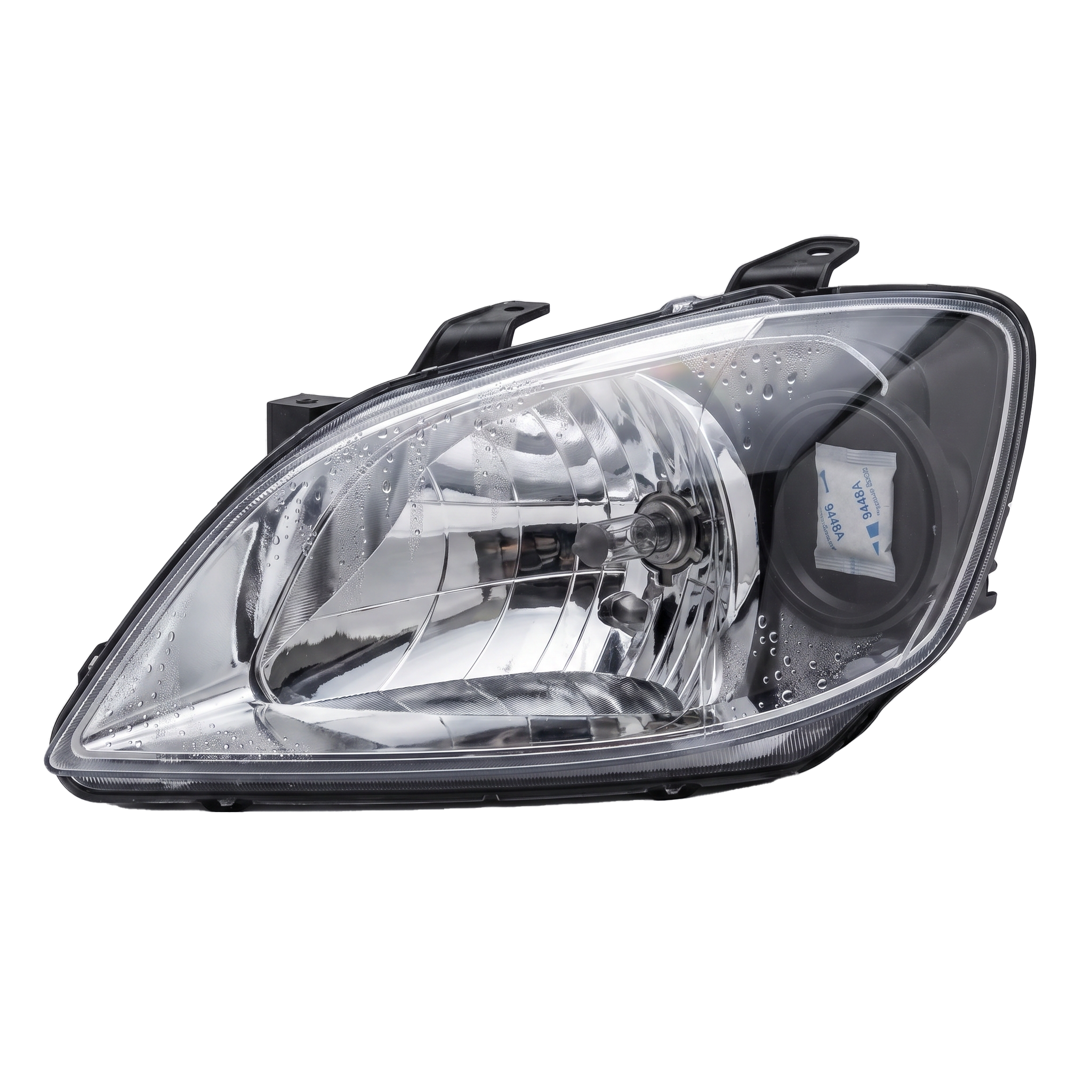
يواجه المصنّعون في مختلف القطاعات ضغوطًا متزايدةً للحفاظ على كفاءة العمليات مع حماية المعدات الحيوية من التهديدات البيئية. ويمثّل الاستثمار الاستراتيجي في حلول الإدارة الحرارية قرارًا بالغ الأهمية يؤثر في وقت تشغيل الإنتاج، وطول عمر المعدات، والربحية العامة. ولفهم أسباب استثمار المصنّعين في حلول الإدارة الحرارية، لا بد من تحليل العوامل التجارية المباشرة، والتحديات التقنية، والمكاسب المالية طويلة الأمد التي تجعل هذه الأنظمة ضروريةً لا اختياريةً.
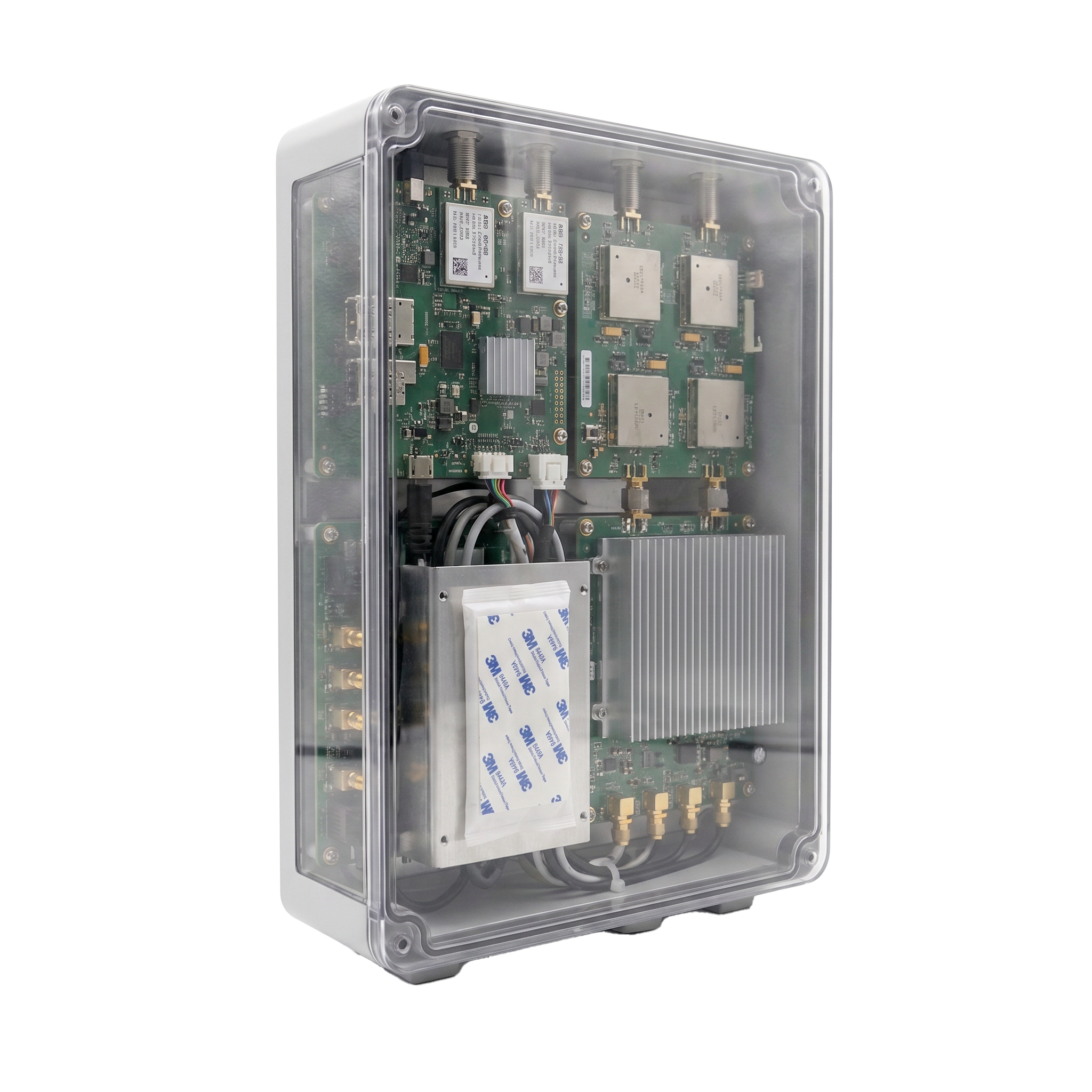
تعمل بيئات التصنيع الحديثة في ظروفٍ صعبةٍ تتسبب فيها تقلبات درجات الحرارة، والتعرّض للرطوبة، والدورات الحرارية في مخاطر جسيمة تهدّد أداء المعدات وسلامة البيانات. ويتضمّن اعتماد حلول إدارة الحرارة يتعامل مباشرةً مع هذه العوامل البيئية المُجهِدة، ما يمكّن الشركات المصنِّعة من الحفاظ على ظروف تشغيلٍ مستقرةٍ وحماية استثماراتها في البنية التحتية. وتستعرض هذه المقالة الدوافع الرئيسية وراء اعتماد حلول الإدارة الحرارية، وتبيّن كيف تحقّق هذه الاستثمارات عوائدَ ملموسةً من خلال تحسين الموثوقية، وتمديد عمر المعدات، وتخفيض تكاليف الصيانة.
حماية المعدات والبنية التحتية الحيوية
منع فشل المعدات عبر التحكم الحراري
تعتمد مرافق التصنيع على أنظمة إلكترونية متطورة، وخوادم، ووحدات تحكم، وبُنى تحتية للاتصال تتطلب بيئات حرارية مستقرة لكي تعمل بشكلٍ موثوق. وتؤدي الانحرافات في درجة الحرارة والإجهادات الحرارية إلى تسريع تدهور المكونات، وانخفاض كفاءة الدوائر، وحدوث أعطال محتملة في المعدات ما يُعطّل جداول الإنتاج. وتحافظ حلول الإدارة الحرارية على درجات الحرارة التشغيلية المثلى، فتمنع الأعطال الناجمة عن العوامل الحرارية التي قد تستلزم إجراء إصلاحات طارئة باهظة التكلفة أو استبدال المعدات بالكامل. وباستثمارها في حلول الإدارة الحرارية، تتجنب المصانع الأعطال العشوائية وانقطاعات الإنتاج المرتبطة بغياب السيطرة على الظروف الحرارية.
الحماية البيئية من الرطوبة والتكثّف
غالبًا ما تتعرض البيئات الصناعية لتغيرات سريعة في درجة الحرارة، مما يؤدي إلى تكوُّن التكثيف داخل غُرف المعدات، فيسبب التآكل والدوائر الكهربائية القصيرة وفقدان البيانات. وتضم حلول الإدارة الحرارية آليات للتحكم في الرطوبة وميزات لاستقرار الحرارة تمنع تكوُّن التكثيف وتحمي الإلكترونيات الحساسة من الأضرار الناجمة عن الرطوبة. وهذه الحماية بالغة الأهمية خصوصًا للمنشآت العاملة في المناطق الساحلية أو المناخات الرطبة أو المواقع التي تشهد تقلبات فصلية حادة في درجات الحرارة. ويُدرك المصنعون أن حلول الإدارة الحرارية توفر إدارة فعَّالة من حيث التكلفة للرطوبة والتكثيف، وهي أفضل بكثير من استراتيجيات الاستبدال التفاعلية.
تحسين الكفاءة التشغيلية والأداء
زيادة سرعة المعالجة وموثوقية النظام
تعمل المكونات الإلكترونية بكفاءة قصوى ضمن نطاقات حرارية محددة، وتتراجع أداؤها بشكل كبير عند انحراف الظروف الحرارية عن المواصفات المحددة. وتحافظ حلول الإدارة الحرارية على درجات حرارة تشغيل ثابتة تسمح للمعالجات والخوادم وأنظمة التحكم بأن تعمل عند مستويات الأداء المصممة لها دون خفض الأداء الحراري أو فقدان الكفاءة. كما تستفيد عمليات التصنيع من سرعات معالجة أسرع، وأخطاء حسابية أقل، وموثوقية أعلى في الأتمتة عندما تحافظ حلول الإدارة الحرارية على جميع الأنظمة ضمن المعايير الحرارية المثلى. ويؤدي هذا التحسين في الأداء إلى زيادة إنتاجية التصنيع، ورفع جودة المخرجات، وجعل دورات التصنيع أكثر انتظاماً وقابلية للتنبؤ.
تخفيض الإجهاد الحراري وشيخوخة المكونات
تُسرِّع دورات التسخين والتبريد وتقلبات درجة الحرارة من عملية تآكل المكونات عبر التمدد والانكماش المتكرر للمواد، ما يؤدي إلى ظهور شقوق دقيقة وفشل في التوصيلات مع مرور الزمن. وتقلل حلول الإدارة الحرارية من هذه الدورات الحرارية عن طريق الحفاظ على درجات حرارة تشغيل مستقرة، مما يطيل عمر المكونات بشكل كبير ويقلل من معدلات الفشل المبكر للمعدات. وبانخفاض الإجهاد الحراري، يمكن للمصنّعين تشغيل معداتهم لفترات أطول قبل الحاجة إلى إصلاحات جذرية أو استبدالها، ما يحسّن مباشرةً كفاءة استخدام الأصول الرأسمالية. وباستثمارهم في حلول الإدارة الحرارية، يبطئ المصنعون فعليًّا عملية تقدم بنية البنية التحتية الإلكترونية في العمر، ويحقّقون أقصى عائد ممكن من استثماراتهم في المعدات.
تحقيق وفورات تكلفة طويلة الأمد واستمرارية العمل
تخفيض تكاليف الصيانة والإصلاحات الطارئة
تؤدي أعطال المعدات الناجمة عن الإجهاد الحراري إلى إجراءات صيانة طارئة مكلفة، وانقطاع غير مخطط له في التشغيل، وإجراءات استبدال طارئة تفوق تكلفة حلول الإدارة الحرارية الوقائية. وتقلل حلول الإدارة الحرارية من تكرار الصيانة عبر حماية المعدات من التدهور الحراري، ما يؤدي إلى خفض كبير في ميزانيات الصيانة الإجمالية على مدى فترات متعددة السنوات. ويُبلغ المصنعون الذين يطبّقون حلول الإدارة الحرارية عن حدوث أعطال أقل بكثير في المعدات، وفترات صيانة أقصر، واحتياجات أقل لمخزون مكونات الاستبدال. ويصبح المبرر المالي لحلول الإدارة الحرارية مقنعًا جدًّا عندما تحسب المرافق الوفورات التراكمية في مجال الصيانة على مدى سنوات عديدة من التشغيل.
تمديد عمر المعدات والحفاظ على الأصول
تمثل معدات التصنيع الحديثة استثمارات رأسمالية كبيرة يسعى المصنعون إلى حمايتها وتحقيق أقصى استفادة منها طوال فترة تشغيلها. وتحمي حلول إدارة الحرارة القيمة المادية لهذه المعدات من خلال منع التدهور الحراري والضرر البيئي الذي قد يقلل عمر المعدات بسنوات أو عقود. وبفضل هذه الحلول، تحافظ المعدات على قيمتها السوقية عند إعادة بيعها بشكل أكثر فعالية، بل ويمكن في كثير من الأحيان ترقية هذه المعدات أو إعادة توظيفها بدلًا من التخلّص منها، ما يقلل التكاليف الإجمالية للدورة الحياتية بشكل ملحوظ. ويعتبر المصنعون ذوو التفكير الاستباقي أن حلول إدارة الحرارة بنية تحتية جوهرية لحماية الأصول الرأسمالية القيّمة وضمان استمرارية العمليات على المدى الطويل.
التخفيف من مخاطر عدم الامتثال والمخاطر التنظيمية
تشمل العديد من معايير التصنيع ومواصفات المعدات متطلبات تشغيل حرارية يجب على الشركات المصنعة الالتزام بها لضمان جودة المنتج وسلامته والامتثال للوائح التنظيمية. وتتيح حلول الإدارة الحرارية للشركات المصنعة الحفاظ على الامتثال لمتطلبات المواصفات الحرارية للمعدات، والمعايير الصناعية، ومتطلبات الجودة التي تعتمد على ظروف حرارية مستقرة. وبتوثيق تنفيذ حلول الإدارة الحرارية، تُظهر الشركات المصنعة إدارةً استباقيةً للمخاطر والتزامًا بمعايير التشغيل التي تطلبها الهيئات التنظيمية ومدققو الجودة بشكلٍ متزايد. ويضيف هذا البُعد التنظيمي طبقةً إضافيةً من التبرير التجاري لحلول الإدارة الحرارية في قطاعات التصنيع الخاضعة للتنظيم.
الأسئلة الشائعة
كيف تمنع حلول الإدارة الحرارية فشل المعدات في المرافق التصنيعية؟
تحلّيلات الإدارة الحرارية تحافظ على درجات الحرارة التشغيلية المثلى التي تمنع الإجهاد الحراري، والتكاثف، وتدهور المكونات الناتج عن التغيرات الحرارية. وباستقرار الظروف الحرارية ضمن المواصفات المحددة للمعدات، فإن هذه الحلول تلغي الأعطال المرتبطة بالحرارة والتي قد تؤدي إلى انقطاعات في الإنتاج وإصلاحات طارئة مكلفة. كما أن حلول الإدارة الحرارية تحمي الإلكترونيات الحساسة من الرطوبة والرطوبة البيئية التي تسبب التآكل والأعطال الكهربائية في البيئات الحرارية غير الخاضعة للرقابة.
ما الفوائد المالية التي يحققها المصنعون من استثمارهم في حلول الإدارة الحرارية؟
يستفيد المصنّعون من حلول الإدارة الحرارية من خلال خفض تكاليف الصيانة، وتمديد عمر المعدات، وتحسين الكفاءة التشغيلية، والقضاء على نفقات الإصلاحات الطارئة. وعادةً ما تفوق الوفورات التراكمية الناتجة عن منع الأعطال المرتبطة بالحرارة الاستثمار الأولي في حلول الإدارة الحرارية خلال عامين إلى ثلاثة أعوام من التشغيل. وبجانب ذلك، ترفع حلول الإدارة الحرارية من استغلال الأصول عبر تمكين المعدات من العمل لفترات أطول عند مستويات الأداء المثلى، مما يحقّق أقصى عائد ممكن على الاستثمارات في المعدات الرأسمالية طوال دورة حياتها التشغيلية.
هل تعد حلول الإدارة الحرارية ضروريةً في جميع البيئات التصنيعية؟
وبينما تقدِّم حلول إدارة الحرارة فوائد عالمية، فإن درجة إلحاحها وتعقيدها تتفاوت اعتمادًا على موقع المنشأة وحساسية المعدات وظروف المناخ وأهمية العمليات التشغيلية. وتستفيد المنشآت الواقعة في المناطق الرطبة أو الساحلية أو تلك التي تشهد تقلبات شديدة في درجات الحرارة بشكلٍ مباشرٍ وفوريٍّ من حلول إدارة الحرارة، لكن حتى البيئات التصنيعية الخاضعة للرقابة تستفيد من الحماية والمكاسب في الكفاءة التي توفرها هذه الأنظمة. وعليه، ينبغي على المصنِّعين تقييم ظروفهم البيئية الخاصة ومواصفات معداتهم ومتطلبات عملياتهم التشغيلية لتحديد الاستراتيجية الأنسب لحلول إدارة الحرارة بما يناسب وضعهم الفريد.